AI infrastructure, di electric vehicle boom, and di defence sector wey no get limit for wetin e dey chop — dem all dey run for one thing: reliable power wey dey 24/7. Together dem dey push new global search for better and secure energy sources.
After Fukushima disaster, tay tay many countries fear nuclear power and sidon comot for years. But wen Russia-Ukraine war start for 2022, Europe con face di heavy cost wey energy dependence carry come.
Today, worry about energy security, carbon-neutral targets, and di never-ending power hunger of data centres wey dey process billions of transactions every day dey push plenty countries back toward nuclear.
One kilogramme of uranium na like about 3,000 tonnes of coal or 2.1 million litres of crude oil — sure kilo like dat get crazy efficiency. As carbon goals dey more urgent and supply fit break anytime, global eye don turn again to one resource: uranium.
Dem dey expect say uranium demand go double by 2040. This kain reality put Africa reserves for middle of global geopolitics.
From Shinkolobwe go Hiroshima
African uranium no be new discovery for world system. But wetin dey painful be say di wealth no too dey use for help people or to light African cities. E plenty times turn to raw material wey dem use for destruction.
Di uranium dem comot from Shinkolobwe mine for Congo — wey workers dey suffer for bad condition and without safety measures — na im be core of di atomic bombs dem drop for Hiroshima and Nagasaki. Africa wealth turn to weapon for another country war.
Another example dey for Niger. Dem find Niger uranium for 1957 and French companies carry am comot for nearly half century, dey help cool light for Paris streets. France ceremonies, nuclear plants and prosperity base for wetin dey under Niger soil.
Even so, plenty people wey dey land wey mines dey still dey live without electricity. After di military coup of 2023, Niger authorities push back — dem cancel French companies privileges and comot old extractive arrangement.
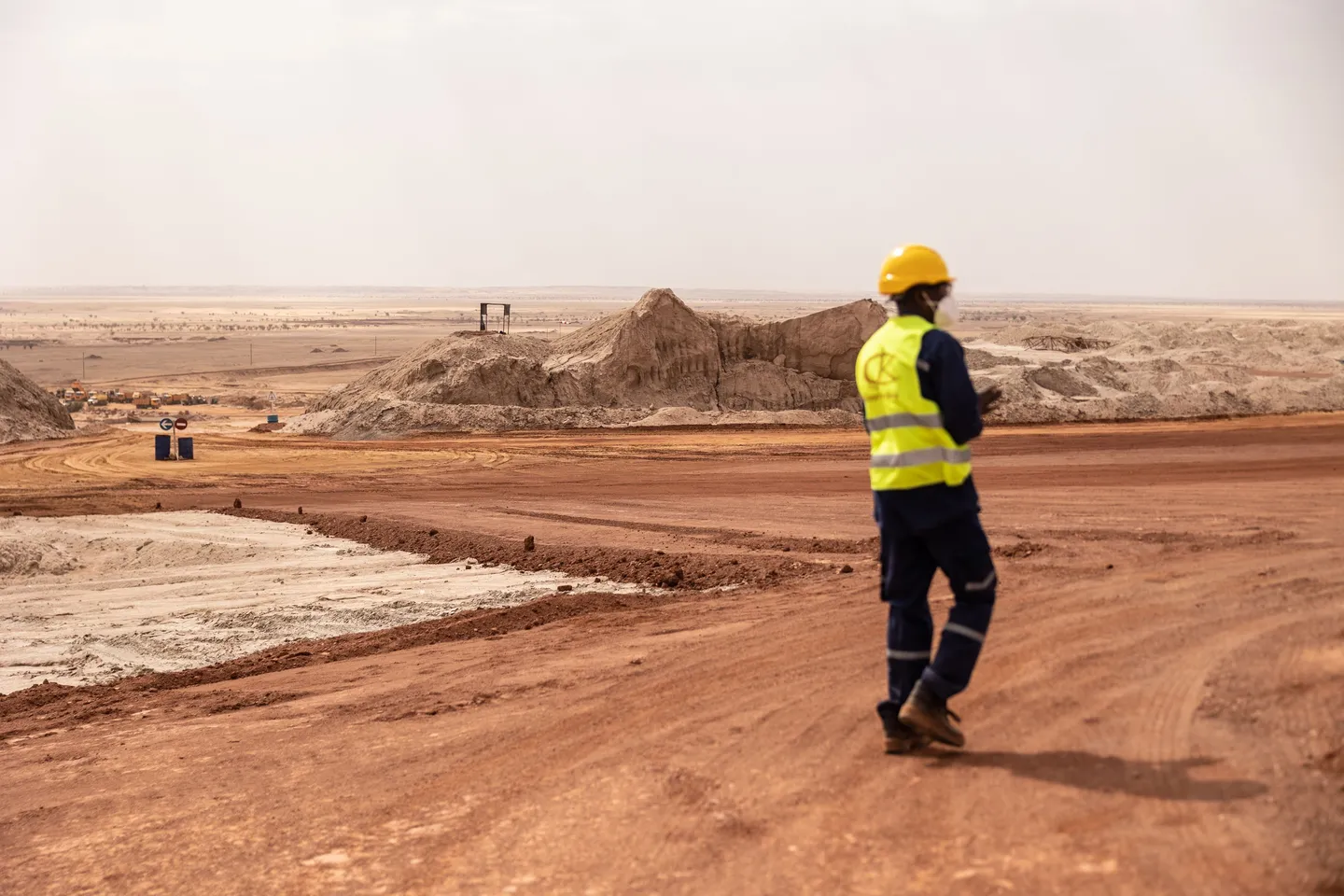
But Cominak mine, wey Orano run for 47 years, leave behind depleted reserves and almost 20 million tonnes of radioactive waste. Dis waste don contaminate water sources and soil for areas wey hundreds of thousands of people dey live for, and di damage no easy to reverse. People for Niger still dey pay for past and present matter.
France, wey don shift attention to Kazakhstan and Uzbekistan, don quietly change Africa strategy — dem secure big uranium exploration licences for Botswana and dey speed up investments for Namibia and Malawi.
At the same time, Western media and companies dey effectively put embargo on Nigerien uranium under cover of security concerns and sanctions. For time wey world need energy pass before, Niger uranium just dey stranded.
Niger authorities dey hold closed-door talks with China and Russia's Rosatom, dem dey look for market wey dem fit sell on their own terms.
Namibia strategy of multilateralism
Further south, Namibia don show as another key player. E dey rank third for global uranium production after Kazakhstan and Canada, dey produce about 6,000 tonnes of uranium oxide every year from Rossing and Husab mines — almost 10% of global supply.
Chinese state-owned companies like CGN and CNUC get strong presence for Namibia, but e no mean say Namibia dey fully depend on China. China involvement, like others before am, don get criticism say dem prioritise access to resources pass technology transfer and local jobs.
Learning from colonial past, Namibia dey follow more deliberate strategy. Dem dey discuss nuclear exploration with Russia, dey sign strategic raw materials partnership with EU, dey explore cooperation with India, and dem don also enter US critical minerals radar. By keeping all options open, Namibia dey try increase im room for manoeuvre.



Koeberg shadow
South Africa show another side of di uranium matter. For South Africa, uranium mostly na by-product of gold mining. Country get Koeberg — di only working nuclear power plant for di continent — and during apartheid dem even build capacity to make nuclear weapons before dem later dismantle dat programme.
Today South Africa dey struggle with steady power cuts under national electricity company Eskom. To close di energy gap, Pretoria dey chase new nuclear partnerships with Russia and China.
Di deeper dilemma for Africa na di gap between to get resources and to fit process dem. Uranium no fit become nuclear fuel as e be raw — e must be enriched, and dat enrichment need very advanced technology.
China's CNNC control about 17% of world enrichment capacity, France's Orano hold roughly 12%, but na Russia's Rosatom get di lion share — around 40%.
When Rosatom enter country, e no just buy raw material. E go offer to build nuclear facilities, provide finance, and tie fuel supply, maintenance and technology to itself. So African countries wey dey try comot from Western dependency fit step into another kind of dependency wey hard to see coming.
Di next scramble
For short term, rising uranium demand fit still come from existing mines. But new discoveries go eventually necessary, and e fit take anywhere between five and fifteen years for deposit to move from discovery to production.
Global companies don begin to search for new deposits. Geological data show say big places like Mauritania, Mali, Algeria and Libya get serious uranium potential. If major discoveries land, history dey show wetin fit follow next — na di scramble for resources.
People fit talk say nuclear energy be clean answer to climate crisis. But behind dat talk dey history wey no clean and no settle — from Shinkolobwe to di millions of tonnes of radioactive waste wey Cominak mine for Niger leave behind.
Africa dey squeezed between Western extractive habits, China's resource-driven pragmatism, and Russia's tactic of asymmetric nuclear dependency. If every deal no weigh well against environmental cost, and if continent no follow example like Namibia wey dey keep options open, di results fit hard to reverse.
Question no be whether Africa uranium go comot — e go comot. Question na who go carry di cost, and whether this time di answer go different.
Di author, Sare Şanlı, na commentator wey specialise for African politics and global power relations for di continent.
Disclaimer: Di views wey di author express no necessarily reflect di opinions, viewpoints and editorial policies of TRT Afrika.