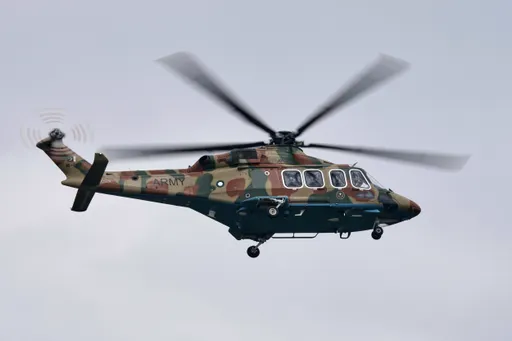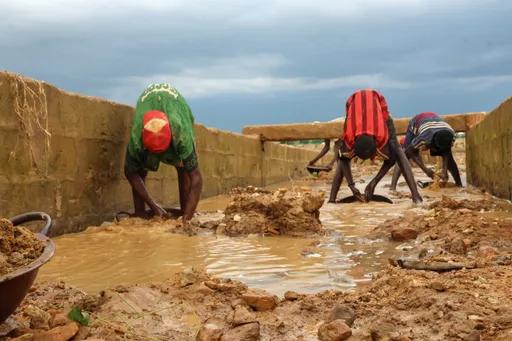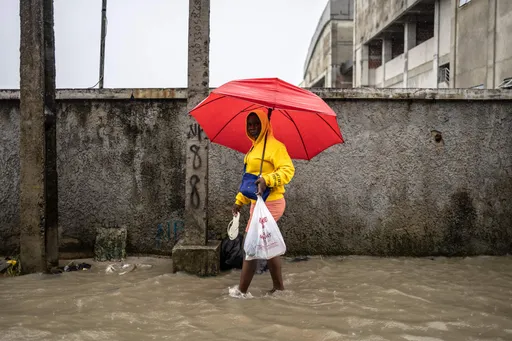
Tension wey dey rise between United States, Israel, and Iran no dey only for Middle East again; e don start get big effects for global energy market, supply chains, and how countries dey arrange their diplomatic relations.
For this wide geopolitical landscape, Africa no dey remain passive arena again; e don turn to strategic space wey structural wahala dey meet new ways dem dey take exercise power and influence.
You fit understand this transformation through three main channels: energy markets, security dynamics, and diplomatic reconfigurations.
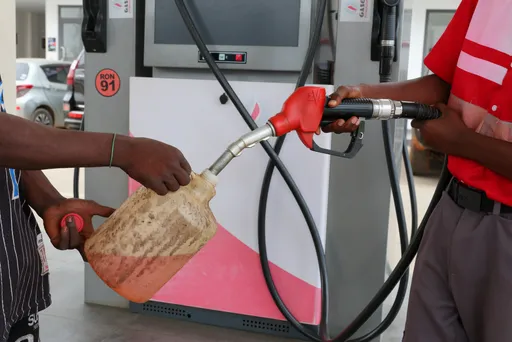
First, the effect for energy markets clear well. Instability for strategic chokepoints like the Strait of Hormuz and the Red Sea don make oil price dey volatile. IEA data show say Brent crude climb from about $70 per barrel in 2021 to above $90 for some periods between 2023 and 2024.
This kind volatility don increase inflation pressure for energy-importing African economies—especially for East Africa—where transport and food prices dey very sensitive to fuel cost.
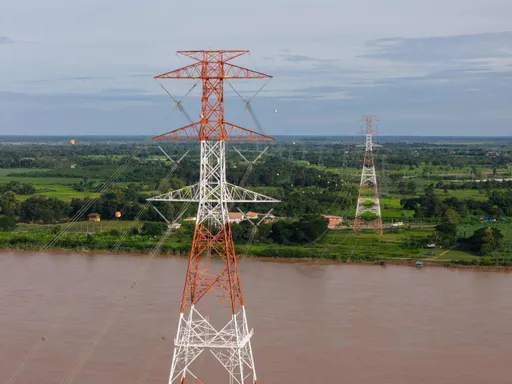
On the other hand, energy-exporting countries like Nigeria, Angola, and Algeria don enjoy higher revenues, wey don expand their fiscal space and give them more diplomatic leverage. Na structurally asymmetric impact e be, and e dey push divergence for the continent.
Strategic implications
Second, for security matter, the indirect rivalry between the United States and Iran for Africa no too big for scale but the strategic meaning dey important. United States still dey project influence through institutions like AFRICOM and long-standing bilateral military ties. Iran, e dey use low-intensity strategy—diplomatic outreach, religious networks, and selective security engagement—especially around the Red Sea basin and the Sahel.
Even though this rivalry no dey turn to direct fight, e dey push African states to arrange diversified and hybrid security setups, so dem go fit keep some independence while avoid full alignment with any one side.
Third, diplomatic reconfigurations dey form major part of the change. Relations between Israel and some African countries don deepen, especially after the Abraham Accords.
But na more than political normalization. Israel don position itself as strategic technological partner for areas like precision agriculture, water management, cybersecurity, and defense technologies including unmanned systems.
Examples from Kenya and Rwanda show say Israel agricultural programmes dey try bring real political benefits by helping increase productivity for places wey dey face water shortage. These partnerships show shift toward cooperation wey dey focus on concrete results, where tangible benefits dey more important pass ideological alignment.
For this changing context, you fit see African foreign policy as practicing “balanced pragmatism.” That one mean dem dey avoid hard geopolitical alignments and dem dey look for diverse partnerships to maximize economic and security results.



Diversified partnerships
Africa no dey only a place to be aligned to others again; e don dey turn to space wey dey align other powers through selective engagement.
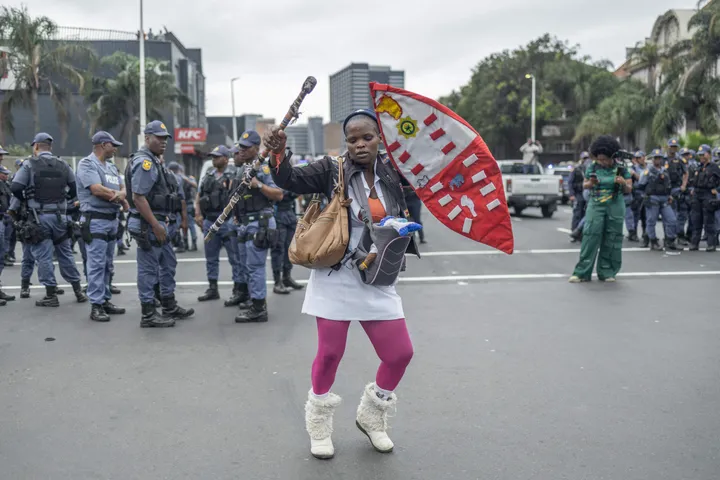
This logic dey show for three ideal-type categories of African states. First group include countries wey relatively align with the dominant international system, like Kenya, Morocco, and Ghana. Second group follow balanced multilateralism—as you see for Ethiopia and Côte d’Ivoire—where diversification na risk management. Third group get more critical or revisionist stance, for example Algeria, Mali, and Niger, while South Africa keep more normative, value-driven posture, especially on the Palestinian question.
This differentiation show important structural shift: Africa no be one-size-fits-all geopolitical bloc again, but na cluster of actors wey dey exercise different kinds of strategic agency.
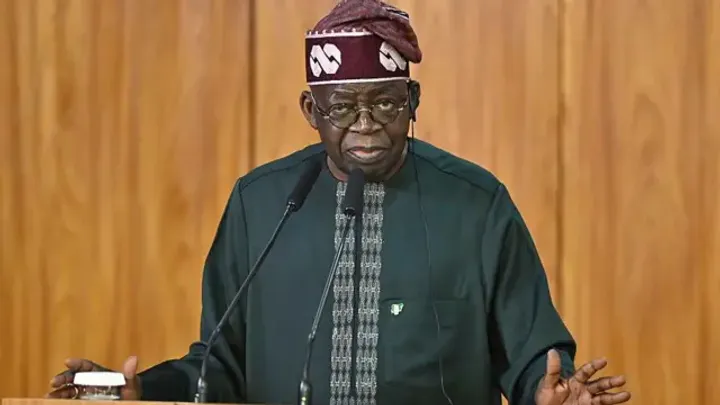
From world-systems view (Wallerstein), some African economies dey slowly move from peripheral to semi-peripheral positions. Nigeria good example for this. By taking advantage of energy resources, large population, and regional influence, Nigeria dey increase im geopolitical relevance, even though structural vulnerabilities still hold am back.
This shift dey reinforced by deeper economic ties with China and the expansion of BRICS, wey fit give partial alternatives to Western-dominated finance systems like the IMF and World Bank.
If we look forward, three strategic paths dey possible for Africa: passive adaptation, balanced multilateralism, and the assertion of strategic agency. Current trends show say Africa dey slowly move toward the last one, but that move depend on whether institutions go fit become stronger.
Policy priorities
For policy priorities, three areas stand out: one, push for intra-African energy integration to reduce exposure to external shocks; two, institutionalize multi-aligned diplomatic strategies; three, strengthen the coordination capacity of the African Union as continental actor.
In conclusion, US–Israel–Iran tensions be both external constraint and strategic opportunity for Africa. The continent no dey only react again; e dey try act more proactively to navigate global power dynamics.
But the path still delicate. If balanced pragmatism no develop into institutional and coordinated strategy, Africa fit fall back to old role as passive arena for great-power competition. If dem manage to consolidate am well, the approach fit mark real transition to make Africa a consequential actor inside the multipolar international system.