Imagine you wake up one morning with headache, fever, chills and body pain. These signs fit malaria well, and for plenty places for Africa people fit begin to take anti‑malarial medicine sharp‑sharp. But this time the signs no go. Before you know am, your sleep don scatter. For night you no fit sleep at all.
During day, heavy sleep go dey chase you and you go dey do small small doze even when you dey yarn. Then the matter go worse: you go dey unusually talkative and dey confused. You fit begin dey laugh anyhow for no reason, get episodes of aggression, and even get seizures.
By that stage, many people go think say you don craze. If nobody treat you, you fit enter coma and die.
This na sleeping sickness. More exact, na the common form wey Trypanosoma brucei gambiense dey cause, and e dey make more than 95% of all cases.
For generations e don be real life wahala for thousands families for West and Central Africa, especially for Democratic Republic of Congo (DRC), wey today dey try eliminate sleeping sickness even as dem still dey respond to Ebola outbreaks.
Tsetse fly bite dey carry the disease. For the last century e kill millions, and for the most recent peak for the 1990s e cause more than 40,000 reported cases every year, with estimate say about 300,000 extra infections no show for hospital.
Until 2008, the only treatment option for the last stage na melarsoprol, one arsenic‑based drug wey patients call ‘fire for the vein’ because e dey cause heavy pain. E toxic sotay e dey kill about one person in every twenty wey take am.
Doctors for that time dey face impossible choice: risk death from the treatment or from the disease.
Treatments wey safer and simpler
I don spend more than 30 years as medical doctor and researcher dey try replace toxic, ineffective and hard‑to‑get treatments for neglected patients with safer, effective and simpler options.
The urgent need for safe treatments against sleeping sickness na one reason why my organisation, the Drugs for Neglected Diseases initiative (DNDi), start in 2003 by Doctors Without Borders, Kenya Medical Research Institute (KEMRI) and other partners.
Since then, we don work with many partners — health ministries, universities, research institutions, pharmaceutical companies and global donors — to deliver safe and effective treatments.
Progress come step by step. In 2009, together with Médecins Sans Frontières (MSF), we develop NECT, injectable combination therapy wey replace melarsoprol for the second stage of the disease. In 2018, with Sanofi, we develop fexinidazole, the first fully oral treatment for sleeping sickness. These medicines help push cases well down.
Today, fewer than 1,000 cases dey reported worldwide every year. But both NECT and fexinidazole still need close supervision and multi‑day treatment courses. The burden don reduce, but e never finish.
Then, on 12 June 2026, DRC approve use of acoziborole, single oral dose wey fit treat sleeping sickness no matter which stage the disease dey. External experts agree say this one get big importance. Medicinal chemist Derek Lowe write for Science say e fit be “the best weapon yet against sleeping sickness.”
This result na the fruit of decades work. Acoziborole select as pre‑clinical candidate end of 2009. Clinical development start for 2012, Phase I finish 2015 and the important Phase II/III studies run from 2016 to 2020 for DRC and Guinea.
All these efforts, plus more studies and regulatory preparation with Sanofi, lead to positive scientific opinion from the European Medicines Agency in February 2026.
Gamechanger
I fit talk with confidence: acoziborole no be small step. E be real gamechanger wey fit lead to elimination of sleeping sickness for Africa.

First, e dey work for both early and late stages of the disease, and that one remove the biggest diagnostic block. Before now, doctors for need know whether the parasite don cross the blood‑brain barrier reach the central nervous system before dem fit give treatment.
To know that, dem often dey do lumbar puncture — dem go insert needle for the spinal canal to collect the spinal fluid. The procedure painful, get risk, and only trained medical staff fit do am with equipment wey no dey for many remote places where the disease dey common.
Acoziborole fit treat both early and advanced stages, so lumbar puncture no longer necessary, and that one remove one of the biggest obstacles to quick diagnosis and treatment.
Second, and maybe most important, acoziborole open door to simpler and more flexible care model: true test‑and‑treat approach wey long time don out of reach for sleeping sickness.
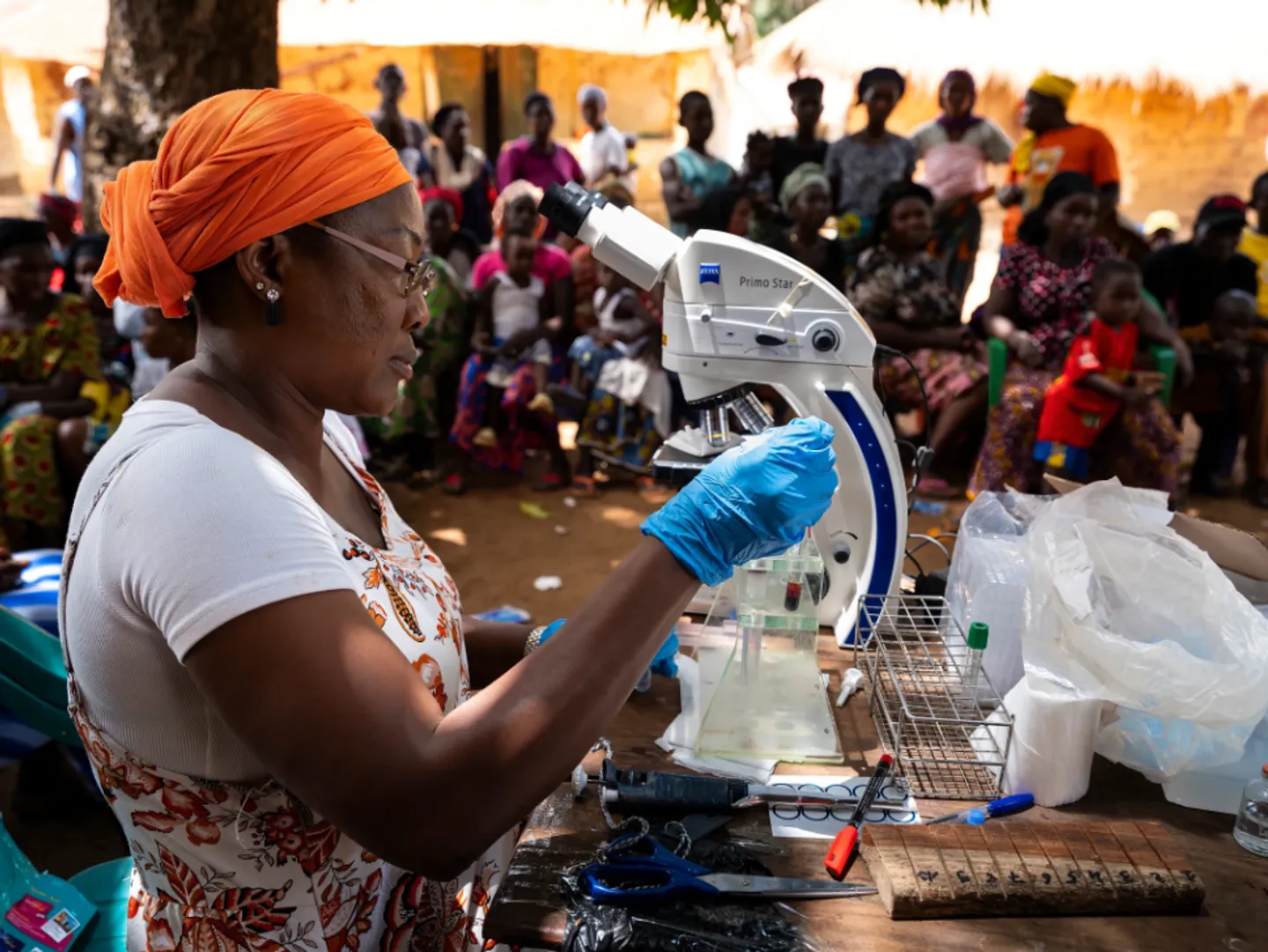
Researchers dey explore whether screening teams fit waka go village, test everybody with rapid diagnostic test, and treat anybody wey test positive and eligible on the spot.
One ongoing study wey dem call StrogHAT dey test this approach with partners for the field. Because people na the main reservoir for this form of the disease, a model wey fit reach people for wherever dem dey na wetin elimination need.
Third, the drug fit give to all ages. Our clinical trials show good benefit‑risk profile for adults and adolescents, and another trial for DRC and Guinea dey check acoziborole for children from one to fourteen years old, with results wey dem expect late 2026.
For communities where sleeping sickness hit whole families, single‑dose treatment wey safe for everybody go close one of the big gaps for care.
In the coming months, we dey expect World Health Organization (WHO) to add the new medicine to its sleeping sickness treatment guidelines. Sanofi don promise to donate acoziborole to WHO through their philanthropic arm, make sure say patients fit get am free. These steps important, but no be finish line.
Finish line
People wey dey work for neglected diseases sabi say progress no dey straight line. Sleeping sickness don dey pushed back before, and the world fit look away; later e fit come back.
For the 1960s, control efforts make case numbers drop so much wey funding finish and programmes stop. By the 1990s, the disease come return reach epidemic level, kill thousands wey no suppose die. We no fit allow history repeat.
As cases dey go near zero, temptation go be to celebrate and move on. We must resist that. Remote communities wey the disease still hide small small must not be forget just because the numbers small.
The researchers, health workers and national control programmes wey dey drive this progress must get support to remain on course.
The ongoing Ebola outbreak for DRC remind us say disease‑specific victory no mean much if the systems wey go sustain am no dey. Surveillance systems, research investment and community trust wey we need to eliminate sleeping sickness na some of the same foundations wey protect us from Ebola and other new threats.
WHO set target to eliminate sleeping sickness as public health problem by 2030. With acoziborole, I believe we fit reach there. But elimination need as much vigilance as e need innovation.
Disclaimer: The views wey the author express no necessarily dey reflect the opinions, viewpoints and editorial policies of TRT Afrika.