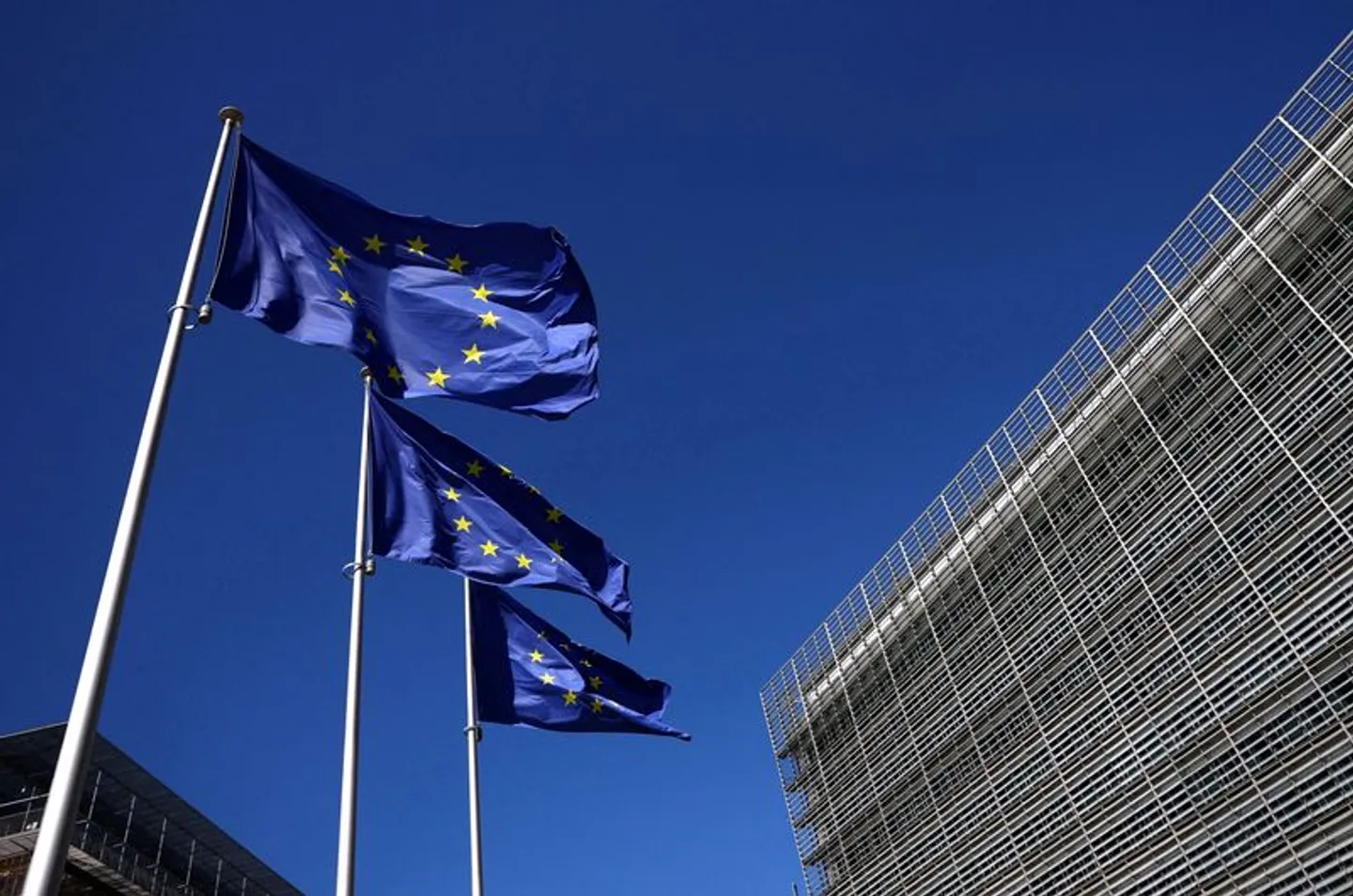
When Turkish President Recep Tayyip Erdogan recently talk say to seek membership for the European Union no be priority again, e mark one big change for Ankara mind about the political and economic group of 27 countries.
Over the years, Türkiye don dey present EU membership as a strategic goal during the many on-and-off accession talks.
For comments wey clear well, Erdogan talk say Europe no dey ready to accept Türkiye, and e point out say na EU go loss pass Ankara because of this rejection.
If a country join EU e get better market access plus visa-free travel and work chances for the member countries.
But Brussels don dey delay Ankara accession for more than twenty years for grounds wey dem call frivolous, even though Türkiye na one of the biggest economic and military powers for Europe.
Experts talk say Erdogan statement about putting EU membership down the priority list base on facts, no be only talk.
Dem say Ankara policy change na sensible reaction to two decades of EU double standards. Because of that, Europe fit lose more from this de-prioritisation pass Türkiye.
Ali Murat Kursun, assistant professor for the Department of International Relations for Marmara University for Istanbul, talk say Ankara decision na "highly rational and structural" no be emotional reaction.
"For the root of this break na the chronic double standards wey dem dey direct at Türkiye," he tell TRT World.
He say EU never treat Türkiye like equal. Instead, dem try put the country "beneath its own hierarchy, treating it as a peripheral state" wey dem fit use outsource Europe security and migration policies.
During the same time, however, Türkiye don build big military, diplomatic and technological capacities and achieve "tremendous strategic autonomy".
For a country wey don create "its own centre of gravity in the new multipolar global system", EU patronising way to treat Türkiye don become "inherently unsustainable", Kursun talk.
EU failure to give unconditional support when Türkiye confront terror groups like the PKK, YPG, and FETO further reduce that trust, he say.
When Ankara follow im own priorities - for Syria, the Eastern Mediterranean or the Palestinian matter - EU many times look these moves as competition instead of contributions to regional stability.
Türkiye see say na "exclusionary club" dey front of am, no be rational integration actor, he say.
"President Erdogan statement na, in fact, the official and highest-level declaration of this de facto reality," Kursun say.
No be just 'technical process'.
According to Muhammed Ali Ucar, foreign affairs expert and chairman of the Vienna-based PLUS Institute, Türkiye steady effort to get EU membership face only "shifting conditions, new political obstacles and moving goalposts".
Big problem start when Ankara begin to realise say to meet the criteria no mean automatic EU membership.
"Conditionality fit only work when the candidate believe say if dem meet the conditions, dem go finally get the promised outcome," he tell TRT World.
The matter of Greek-administered Cyprus stand out as especially important for Ankara EU membership.
EU admit Greek-administered Cyprus, even though the island still divide between Greek and Turkish Cypriots.
E create "extraordinary political exception to its own enlargement logic", Ucar talk.
For the 2004 Annan Plan referenda, clear majority of Turkish Cypriots support the settlement, while Greek Cypriots reject am. But the side wey reject the settlement na him gain EU membership and institutional leverage, Ucar point out.
Then, repeated questioning of Türkiye ultimate membership by leaders for Germany and France and the proposal of a "privileged partnership" alternative deny the idea say accession na technical process wey base on objective criteria.




Visa restrictions and the more transactional way dem dey handle relations about migration further reduce public enthusiasm, he say.
"Türkiye no simply abandon Europe. Na the credibility of the accession mechanism dey gradually erode," he say.
Ankara choose im own path independently.
Analysts talk say Türkiye economic and geopolitical influence expand mainly independent of the EU accession process.
If Ankara bin limit itself to EU bureaucratic boundaries, e for never reach the current strategic autonomy, Kursun say.
Türkiye don develop "agile, multidimensional diplomatic posture" for Libya, Syria, South Caucasus, Eastern Mediterranean, the Gulf, the Horn of Africa and across Eurasia, he say.
Meanwhile, EU don dey more paralysed by internal vetoes and maximalist demands from member states.
"European defence restrictions and arms embargoes backfire, force Türkiye to build world-class indigenous defence industry wey now dey drive its geopolitical influence across many continents," Kursun say.
For economy side, geographical diversification reduce Türkiye vulnerability to single-market shocks, while big pipeline networks and connectivity projects make the country indispensable Eurasian energy and transit hub, he note.
Ucar say today’s Türkiye na "considerably different" from the one wey start negotiations in 2005.
Na because its diplomatic reach, infrastructure, defence industry and capacity for autonomous foreign policy don expand well over the past two decades.
But strategic autonomy no mean make dem separate from Europe, he insist.
Türkiye deeper ties with the Gulf, Africa or Central Asia no need to be at Europe expense.
"A stronger and more autonomous Türkiye fit finally be a more valuable partner for Europe," Ucar say.
Who be the net loser?
Erdogan assertion say EU na the net loser for dragging feet on accession matter dey resonate well with both analysts.
Kursun say EU don trade its geopolitical relevance for internal bureaucratic comfort.
Europe face high-intensity conventional warfare for its east and chronic instability for its south. But e no get integrated military capacity and autonomy to handle these challenges well, especially as US security umbrella don reduce, he say.
In contrast, Türkiye get battle-tested military, booming defence industry, and political will to project power - without this, Europe go become "highly exposed".
For energy, Türkiye don become indispensable transit hub for diversification after Europe cut ties with Russia. For migration, Türkiye role as geopolitical buffer dey protect Europe societal resilience, Kursun say.
"By alienating Türkiye, EU no isolate Türkiye. E isolate itself from the geopolitical realities of its own neighbourhood," Kursun say.
Ucar interpret Erdogan statement as argument about Europe opportunity cost.
The relationship still interdependent, but Europe changing environment don increase Türkiye strategic value, he say.
Issues wey concern security, energy and migration show mutual dependence, even though asymmetry between Ankara and Brussels don widen.
"By keeping Türkiye permanently at arm's length, Europe no just deny Türkiye something. E fit also deprive itself of important strategic asset," Ucar say.