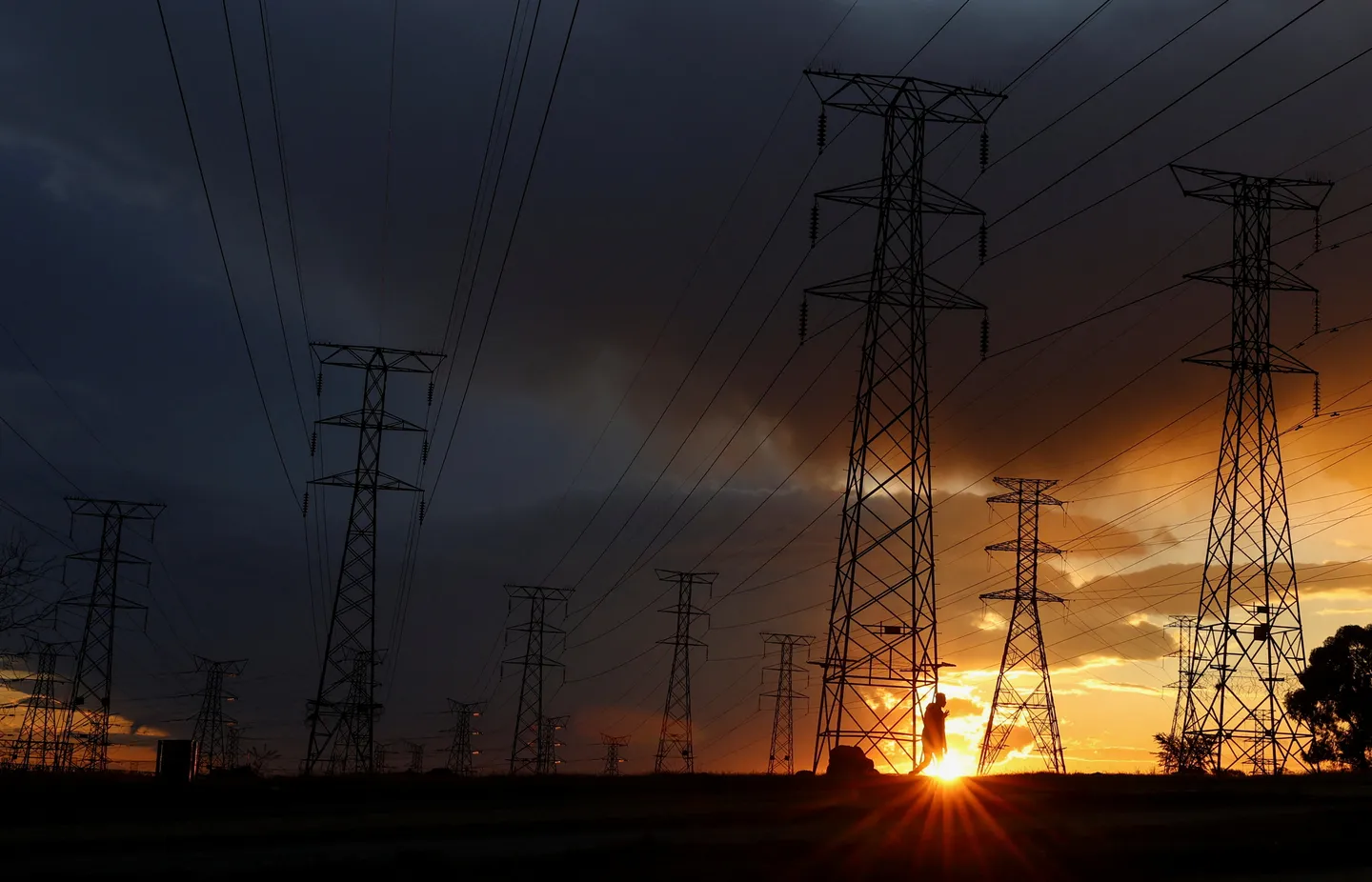
Di global economy don begin arrange around electricity. For Africa, dis one suppose make us ask deeper question — no be only how we go electrify di continent, but wetin kain economic power dis electrification fit help us build.
Africa energy debate don long time dey shape by scarcity. About 600 million Africans still dey live without electricity, wetin di International Energy Agency talk, so programs like World Bank and African Development Bank dem Mission 300 dey very important.
Generation, transmission, financing and access still dey urgent. But scarcity don dey turn just one part of di African energy mata.
Big change dey happen for political economy of energy: two overlapping systems of power dey show — di petrostate and di electrostate.
Petrostate power no come only because country get oil. E come because dem control di economic architecture wey dey round am: refining, pipelines, shipping, petrochemicals, finance, technology and di geopolitical connections wey dey protect dem flows.
Di new electrostate dey get power through different architecture: grids, batteries, processing of critical minerals, semiconductors, renewable technologies, advanced manufacturing and more data infrastructure.
China position for solar, batteries and electric vehicles show one important difference: strategic advantage no be only to consume electrification technology, but to develop industry wey fit manufacture dem.
Dis one matter because electrification mean different tins for Africa. For rich countries e fit mean to change petrol car to electric one or replace boiler with heat pump.
For Africa, e still fit mean electricity reach clinic, irrigate farm or make small business run without diesel. But our imagination no suppose stop for socket.
Africa must start to see electrification no only as access to light, but as way to take join and finally own di economic system wey dey form around electricity. To get lithium, cobalt, manganese, copper, sun or wind alone no dey give automatic economic power.
Di deeper question be wetin productive capabilities we fit build around dem resources.
Di transition dey change pass wetin dey power global economy — e fit dey change where economic power go dey put.
Electrostate
For Africa, rise of di electrostate no be only political mata again; na economic question. If for di electrified world economy power dey go to countries wey fit organise production, technology and industry around electricity, then we must ask wetin electrification suppose do to di structure of African economies.
If 20th century reward countries wey control production and movement of hydrocarbons, 21st century fit reward those wey fit convert electricity into economic complexity.
And here one uncomfortable possibility dey.
Africa fit electrify well without turn much more economically powerful. We fit connect millions homes, install gigawatts of renewables, export transition minerals and become big producers for new clean energy — still remain on di side for industries wey dey capture di main value.
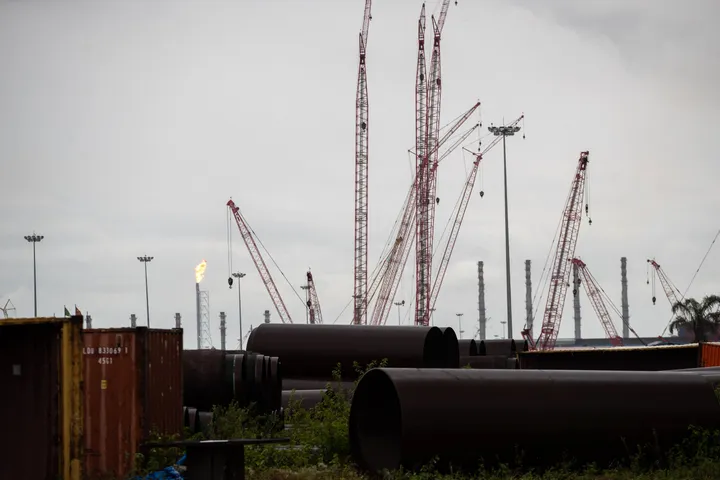
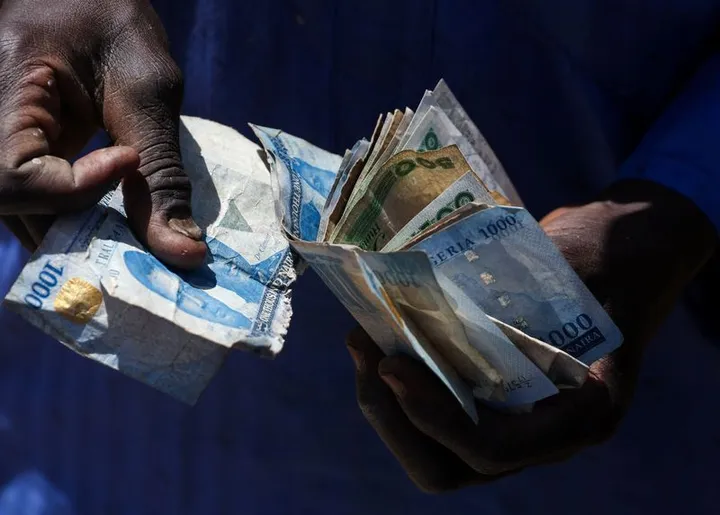
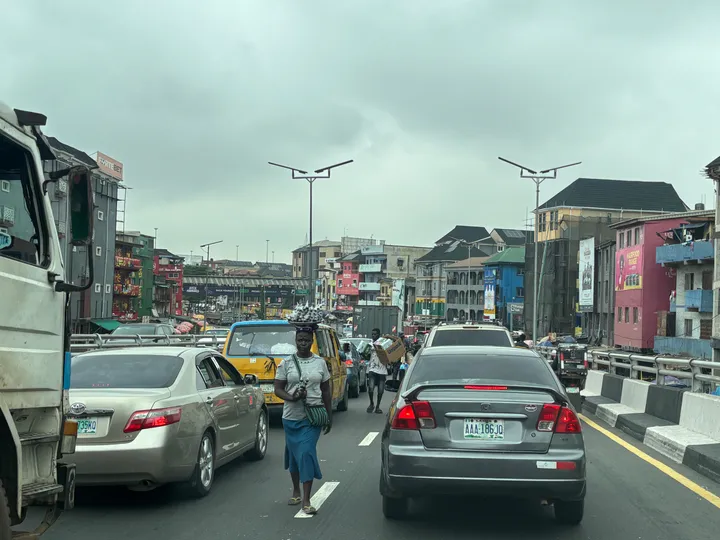


Di barrel itself no be petroleum economy. Oil become transformative because wetin grow around am: petrochemicals, aviation, automobiles, plastics, logistics, manufacturing and finance.
Electricity need di same kind economic imagination.
Na here electrification begin change di economics of where industry go locate.
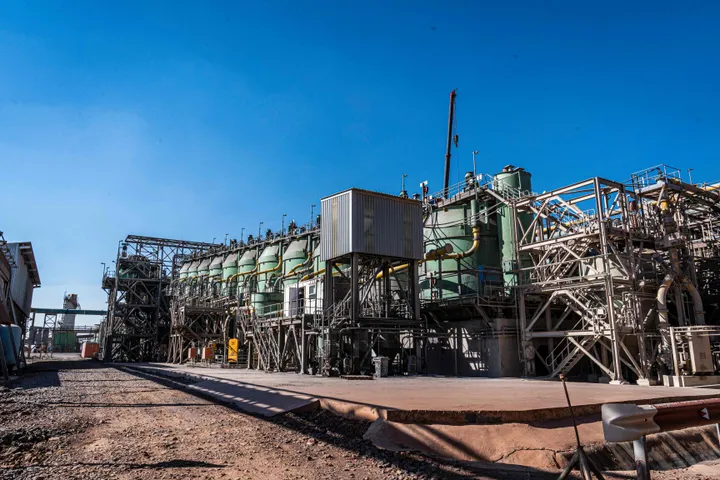
As clean electricity dey turn more competitive for parts of Africa, energy-intensive production fit begin organise around dat advantage: mineral processing, green iron and steel, fertiliser, agro-processing, data infrastructure, battery materials and industries we never even imagine yet.
So Africa renewable advantage no be only energy advantage. E fit turn into locational advantage.
Understanding the grid
Dis one change how we dey understand di grid; no just infrastructure to move electrons, but infrastructure wey fit connect comparative advantages and reorganise di geography of African production.
Di implication be say Africa need rethink wetin be advantage for age of electrification. For too long, our economic importance dey talk as if na only resource endowment matter.
Wetins we get, wetin fit comot and wetin world need from us. Electrification suppose help us shift di talk from wetin resources we get to wetin value we fit create around dem.
Dis one need pass beneficiation or simple value addition. E mean to build di productive ecosystem wey go turn resources and electricity into African industrial clusters wey fit bring development.
Di measure of success no suppose be how much lithium, copper or iron Africa dey supply to di new green global economy, but how much economic complexity remain on di continent because those resources dey.
But none of dis go happen without infrastructure wey fit support scale. So Africa need grid wey design no only for today electricity shortage, but for tomorrow electrified economy.
Di International Energy Agency talk say grids fit turn bottleneck for global transition; for Africa dem suppose become economic enabler. Transmission, storage, regional power pools and cross-border interconnections must plan for where future industrial demand go show.
At the end, Africa no suppose approach electrification by only asking how we go better tap our resources. We suppose ask harder question.
How we go use electricity, infrastructure and those resources to create tins wey the world and Africa itself value? Di difference dey deep. One dey export potential. Di other one dey build economy.