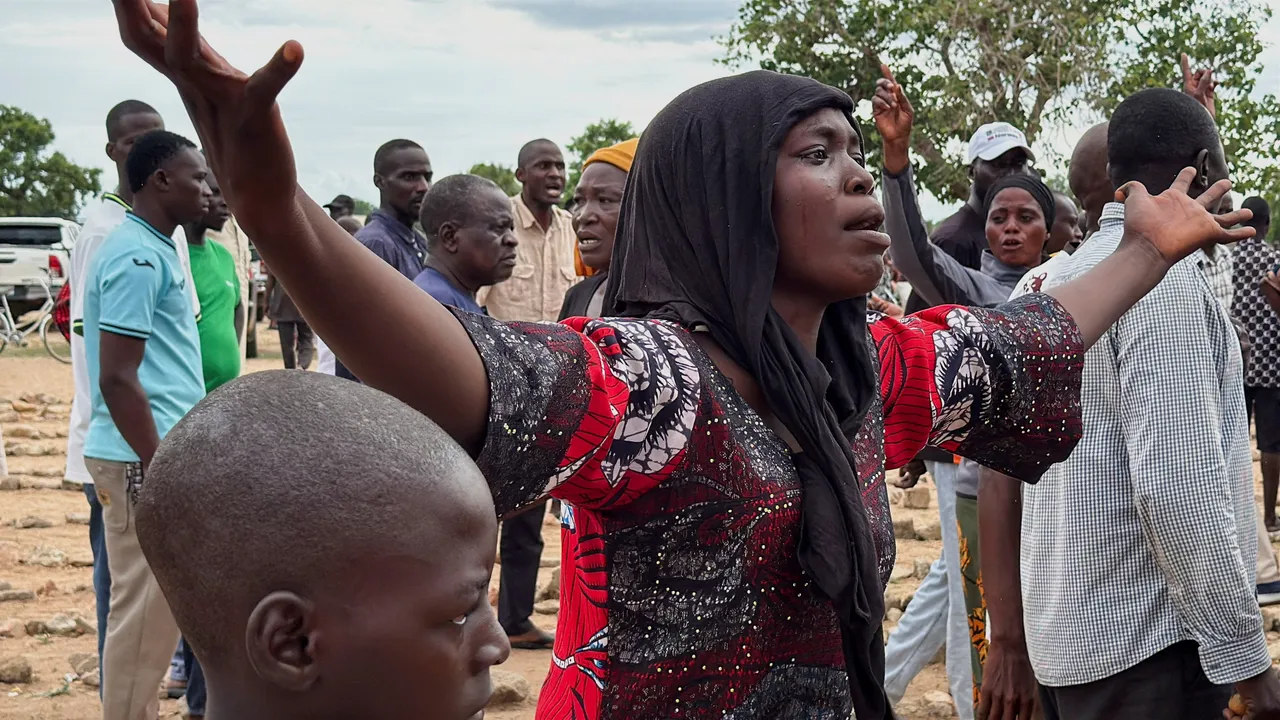
Don pass twelve years since di world gather under #BringBackOurGirls to demand say dem release di over 270 schoolgirls wey dem kidnap from Chibok; di wahala wey dey follow Nigerian education never finish. E don change shape.
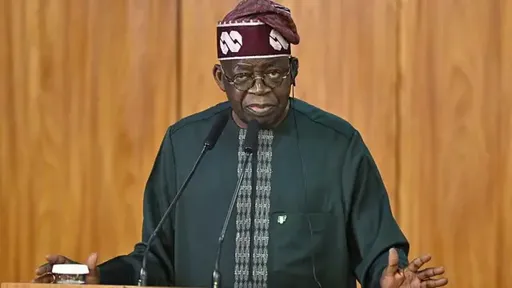
Di rescue of 39 pupils and five teachers wey dem kidnap for May from one school for Oyo State na wetin many people for Nigeria celebrate well. President Bola Tinubu talk say di people wey carry dem na members of Ansaru, group wey get link with al-Qaeda and wey break away from Boko Haram in 2012.
Even as Oyo students still dey captivity, another group of students wey suppose sit their secondary school exams for Borno State dem kidnap on June 29, before military rescue dem for different operation.
All these tins show say, even with some rescues and military successes, schools still remain some of di most vulnerable targets for di country. Terrorist and criminal groups dey return to dem not only because chance dey, but because three different reasons don join for same target: ideology, pressure to force government (coercive leverage), and one growing criminal ransom economy.
Schools as ideological targets
To understand how Nigeria reach this level, we must follow di history of ideological opposition to conventional education. Boko Haram late founder, Muhammad Yusuf, condemn di Nigerian state's education system as religiously corrupt, and him famously talk say, “a school is worse than a hundred churches.”
Abubakar Shekau wey follow am later take that kind talk turn am to weapon. Di nickname wey everybody sabi, Boko Haram, don become sign say dem reject state-run Western-style schooling.
During Boko Haram uprising for 2009, dem attack and burn some schools, though often dem dey empty. By 2013 and 2014 dem no dey wait make buildings empty again. For February 2014, terrorists massacre boys for boarding school near Damaturu, Yobe State, shoot and burn students as small as eleven. For years dis war against education stay mostly for northeastern Nigeria, but e destroy over 900 schools and scatter thousands of pupils, according to Human Rights Watch.
From ideology to strategy
For di early years, Boko Haram violent rejection of Western-style education na main thing for Northeast. But geography and economics of mass school kidnappings don wide. Today, school attacks don change from ideological statement to one profitable business inside di national kidnap economy.
Even inside Boko Haram, dis practice get people wey no agree, but di approval dem dey find na from their own circles, no be from any recognised religious authority. In 2015, commanders wey later go lead ISWAP ask one Daesh figure and dem get answer wey dem want. Nigeria top Muslim bodies don dey condemn these attacks steady, and most of di children wey dem kill or kidnap na Muslim children.
Di recent raid for Oyo State, wey far from normal northern areas wey these groups dey operate, show how di threat don shift. People attribute am to Ansaru; e follow di pattern of take high-profile hostages to press government to release imprisoned commanders. But dis logic no be only Ansaru own. Back in 2012, one Boko Haram spokesman threaten say dem go attack government schools to punish detention of members’ families.
The rise of the kidnapping economy
Di matter complicate more when criminal armed groups enter di picture. Plenty mass school kidnappings since 2020 no be always terrorists do am; many na heavily armed bandit groups for northwestern Nigeria. Sometimes these groups cooperate with terrorists and dey operate for same areas, but wetin dey drive dem usually na money, no be ideology.




Dem come from long-standing rural conflicts like cattle rustling, weak governance, and illegal economies like illegal mining. Dem don sabi say schoolchildren na soft target. Instead of go after community leader or army officer, raid one rural school give dem plenty hostages wey get big bargaining power and little resistance. Na why school attacks continue even where hatred for education no too dey.
For 2021, gunmen kidnap more than one hundred students for Kaduna State and dem demand about 1 million naira ($724) per student — money wey community gather by themselves, even though federal law ban ransom payments. For 2024, twenty medical students dem seize as dem dey go conference and dem demand 50 million naira for their release. And list still long.
Why rescue remains so difficult
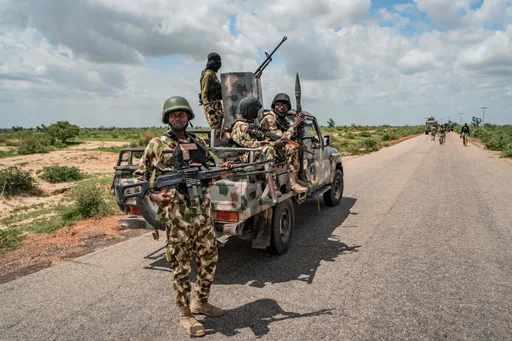
For some high-profile cases, intelligence and aerial surveillance help security forces locate abducted victims fast. But to find hostages na only di first step. Attack heavily armed kidnappers wey surround by children risky well, so state dey choose slower military and non-military options. Terrorist groups sabi this leverage. Di child hostages dem also dey use as shield against heavy state firepower. And for some of di worst cases, like 2014, some students dem force, drug or prepare as suicide bombers to make government bend for negotiations.
Three problems, not one
E go wrong to see all these as one single crisis wey get one solution. E easy to just call to “protect schools”; but schools no dey alone — dem dey inside communities. Classroom wey surround by insecurity go still dey unsafe, so each kind threat need e own response.
Theological war against schooling need long-term deradicalisation, a state wey show communities say education worth am, and religious voices wey fit dismantle those narratives from inside their own traditions. Abductions wey dem use as political leverage need sustained security-sector effort to break down di networks wey dey perpetrate am. Ransom economy need better policing, financial tracing of payments, improved intelligence, and stronger state presence for rural areas where bandit groups dey move without challenge.
For Nigeria many people dey talk say children wey poor country no educate no go let children wey rich dey sleep well. Unfortunately, di burden of this failure don fall mostly on poor Nigerians, as children of di wealthy dey protected by private security or dem dey study abroad.
Oriire and Borno students don return home, and for dat wey Nigerians fit thank. But many children still dey captivity, and plenty others still dey go schools wey remain scare for attack by armed groups wey decades of insecurity, weak governance and neglect don empower. Until dem fix that structural vulnerability, communities across di country go still dey ask di same worry: which school na next?
Di author, Dr. Ifeoluwa Siddiq Oyelami, na researcher wey work dey explore religion and postcolonial thought, especially religious extremism, interreligious relations, and intellectual traditions of West Africa.
Disclaimer: Di views wey di author express no necessarily reflect di opinions, viewpoints or editorial policies of TRT Afrika.