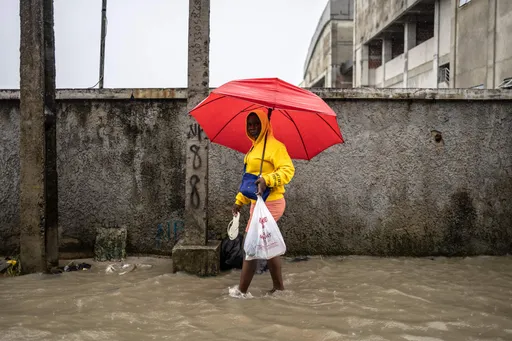
Fatima Ahmed, wey be primary school teacher for Khartoum, Sudan, still dey remember di time we nearly three quarter of her Grade 3 pupils comot.
“Na early 2025 e happen,” she talk to TRT Afrika. “One day, 22 pikin come no show. Dem family don run from di yawa wey dey increase. Within one week, my lively class wey be 44 reduce reach 12.”
Now Fatima dey teach for different make-shift place anytime duty call, because dem don turn her school building to shelter.
She no sabi then, but her pikin dem join one concerning global trend: for seventh year straight, di number of children and youth wey no dey school don increase — now reach 273 million for di whole world, UNESCO 2026 Global Education Monitoring (GEM) report talk so.
Di report wey dem publish on 25 March show say progress to keep pikin dem for school don slow down for almost every region since 2015, and di slow down sharp for sub-Saharan Africa, mainly because population dey grow.
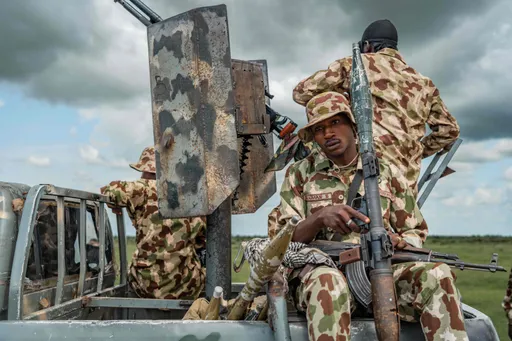
Plenty crisis — including conflict — don also scatter progress. Pass one for six children dey live for areas wey conflict touch, and this put millions more pikin wayy no dey school beside di ones wey statisics dey show.
“One for six,” Fatima talk. “No be only number be dat. Na my pikin dem dey talk about.”
Shared textbooks
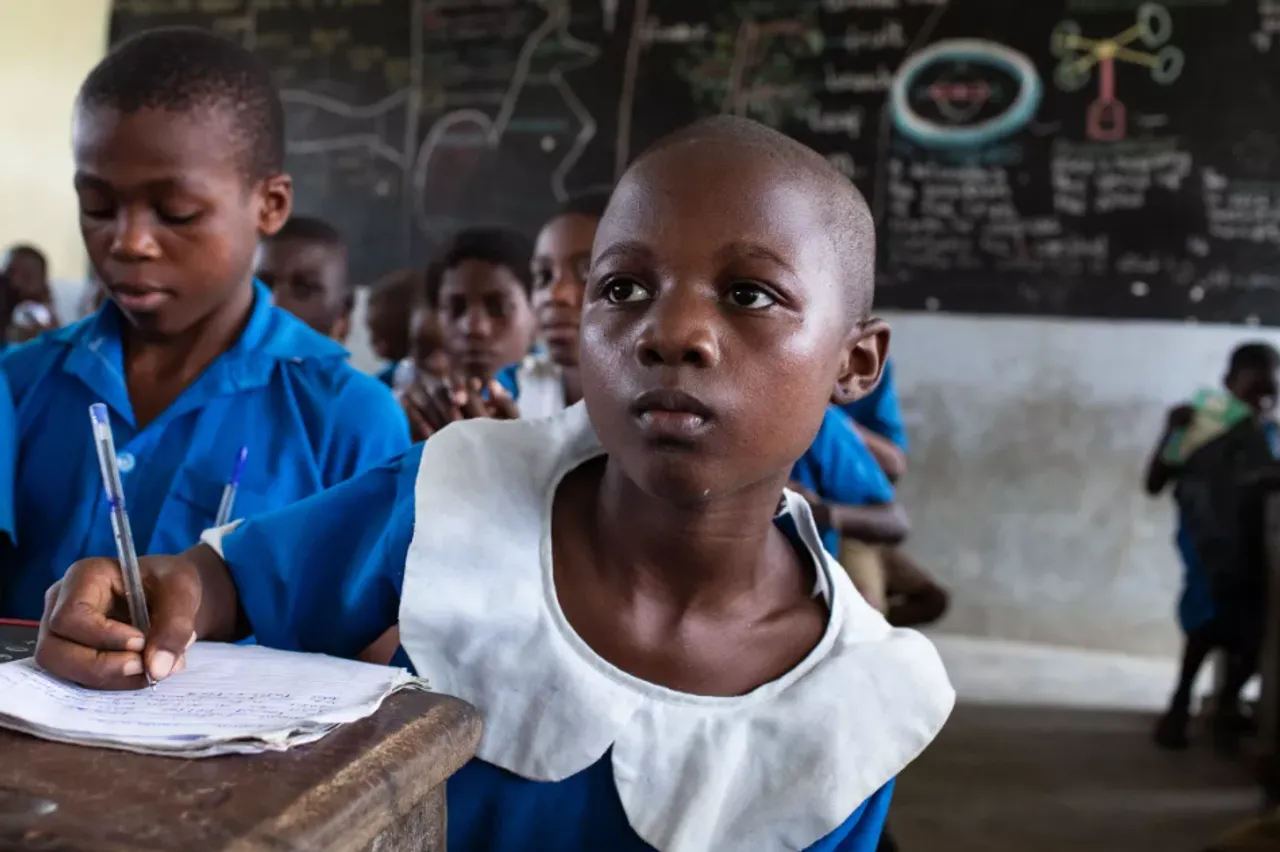
For Malawi, Chisomo Kalonga, wey now get 17 and dey Lilongwe, bin dream make she become nurse. She start primary school like other pikin — Malawi get high enrolment of about 88–90%. But e hard to stay for school.
“For classroom get about 40 pikin and na only four textbooks for every ten of us,” she talk. “I dey fail exam, dey repeat class. At last I comot from school.”
Even though primary education don dey free for Malawi since 1994, completon rate low reach 33%, and only about half of pikin wey enter school ever finish. Poverty dey force many pikin to go work. Long distance, bad roads and buildings, early marriage and pregnancy dey push girls comot, especially for higher grades. About 25% of students dey repeat class, wey still push dropout risk higher.
“Na so our reality be,” Chisomo talk. “My small pikin broda still never dey school.”
25 kids in class every minute







Despite di wahala, some African countries don make correct progress.
Madagascar and Togo don reduce out-of-school rates among children by at least 80% since 2000, UNESCO data show. Côte d’Ivoire halve im out-of-school rates across all age groups, while Ethiopia raise primary enrolment from 18% in 1974 to 84% in 2024 — na big jump.
On the other hand, di sharpest slowdown dey for sub-Saharan Africa, mainly because population dey grow. Countries wey conflict touch, like Burkina Faso, Mali and South Sudan, get millions of pikin wey locked out of classroom. For Middle East, regional tensions don force many schools close, put one whole generation for risk.
Here be di paradox: since 2000, global enrolment don grow by 327 million — dat mean more than 25 extra pikin dey start school every minute. Pre-primary enrolment rise 45%, and post-secondary jump 161%. But if thing continue as e be now, the world no go reach 95% upper secondary completion until 2105. Na 80 years from now.
What works, what doesn’t
No one policy fit solve exclusion, but evidence dey help. For 14 African countries, when dem make education compulsory — no be only free — dem add more than one year of schooling. Electricity for Cambodia add nearly one full extra year. School meal programmes fit add half year of learning for every $100 wey dem spend. But as donor money dey reduce, these programmes fit collapse. Only 8% of countries for di world dey really redistribute education resources toward disadvantaged groups.
“This report confirm one alarming trend, say more and more young people dey deprived of education around di world every year,” UNESCO Director-General Khaled El-Enany talk. “But still hope dey. Since 2000, enrolment for primary and secondary don increase overall by 30%, and many countries dey make meaningful progress,” UNESCO talk.
“Progress no be one-size-fits-all because context dey usually overlook. National targets must dey ambitious and based on wetin real people fit achieve. Global targets suppose be di sum of these commitments, no be di other way round,” GEM Report Director Manos Antoninis talk.
For Sudan, Fatima Ahmed never give up. Every morning she dey prepare for class for some of di shelters wey don start to hold lessons under tents and other make-shift structures.
“For di pikin wey go come back,” she talk. “I go dey here when dem return.”