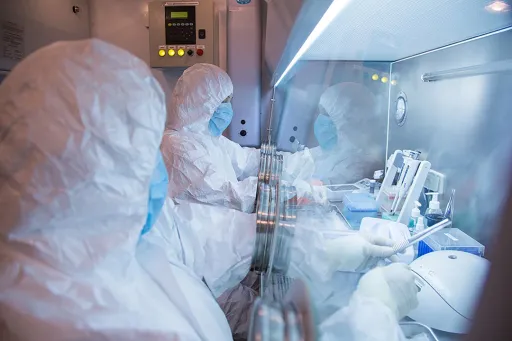
Somewhere for one African university laboratory, workshop or small business, one young innovator fit don dey work on idea wey fit change how motorbike dey powered, how clinic wey dey for village dey store light, how dem dey process food or wetin dem go do with lithium-ion battery after im first life.
The idea fit still be small prototype wey dey for workbench. E fit dey inside postgraduate thesis. Or as Future of Energy Conference wey hold for Accra last month show, e fit don quietly dey solve problem while e still dey wait make people notice am.
Na that possibility and vision make dem start AfroHackathon, wey Africa Change Lab host join hand with Africa Centre for Energy Policy (ACEP) as part of FEC 2026 on 25–26 August under innovation challenge.
The initiative start from one simple question.
Wetin if Africa role for the clean-energy revolution no stop for just to dig resources from ground?
Na important question dis dey become, e dey push us make we think different about strategic green minerals, innovation and how Africa go take build im economic future. That future no suppose just dey defined by the things wey dey under ground, but by the value wey we fit create from those things.
Africa get many of the minerals wey batteries and other clean-energy technologies need, but the continent still dey for the lower end of global energy value chains.
To get the ingredients and to sabi the koko how to turn them into finished product na two different thing altogether.
African Union Green Minerals Strategy sabi this challenge well: Africa must move from just exporting raw minerals go towards beneficiation (add value), manufacturing, integrated value chains and industrialisation.
The aim no be only to extract more well, but to capture more of the knowledge, technology, manufacturing and economic value wey the energy transition fit bring.
That old economic model we sabi pain full: dem go find something valuable under African soil, e go comot as commodity and later return as finished product wey cost plenty money.
AfroHackathon try to interrupt that journey.
Maybe the most clear example no come from big talk about industrial policy, but from one young African entrepreneur.
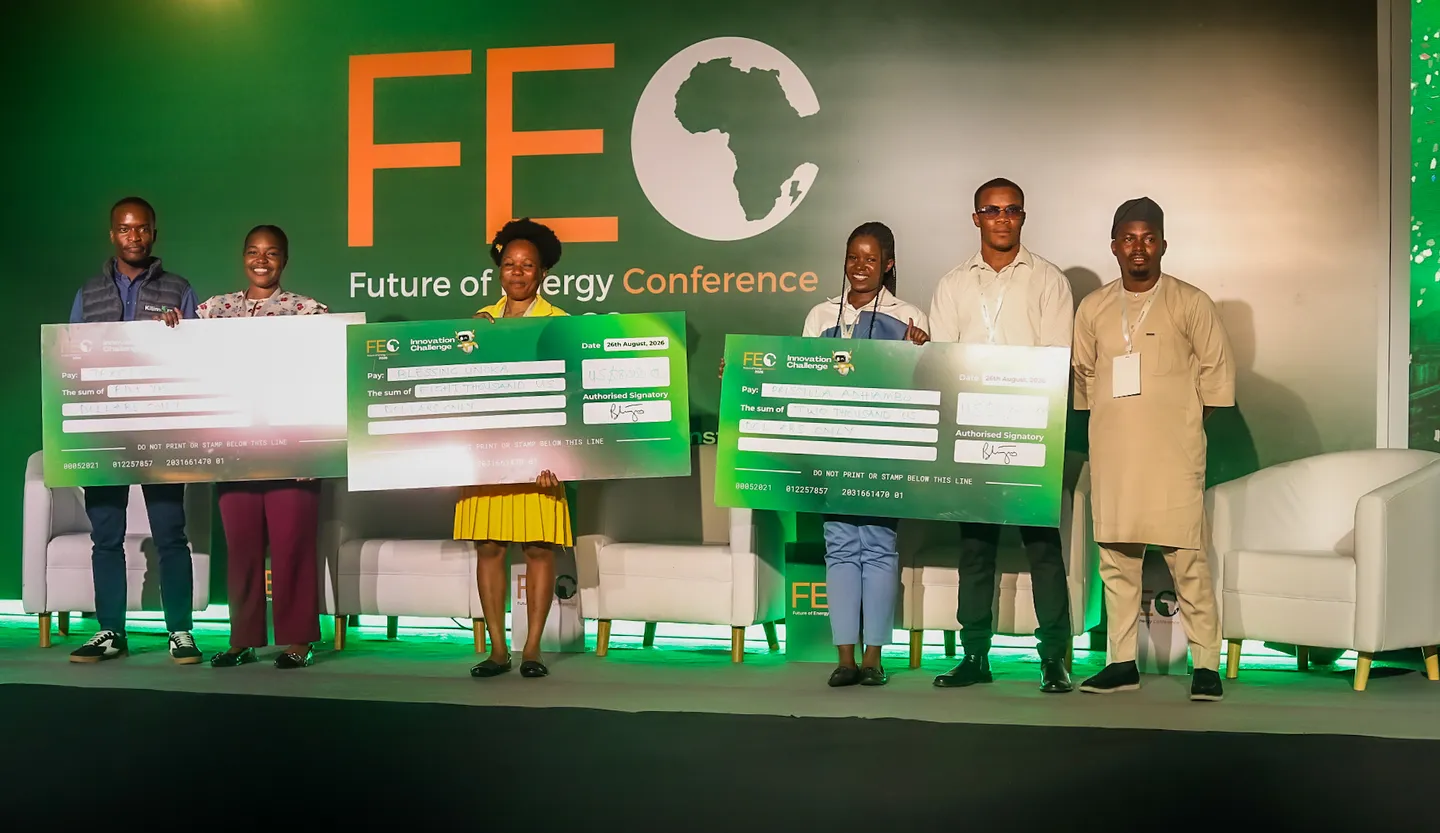
Blessing Unoka, founder of Sambal Enterprise for Nigeria, win the 2026 Innovation Challenge (AfroHackathon) after the finalists gather for Accra to show their solutions. Her innovation show one important thing.
African green industrialisation agenda no suppose remain only for paper or policy talk. E fit start with person wey identify problem, build solution and no gree make the technology or business model come from outside.
Her story matter because e put human face for the bigger idea of African-led innovation.
And she no alone.
The finalists wey dem select for FEC 2026 Innovation Challenge bring solutions wey cover plenty areas: from recovery and second life of retired lithium batteries, closed-loop battery recycling, solar-powered battery-swapping systems, to second-life battery modules for off-grid cold storage.
Dem come from Nigeria, Kenya, Ghana and Tanzania, show say the clean-energy innovation ecosystem wey dey emerge for Africa get geographical and technological variety.
The reason wey these ideas attract attention no be only because dem sabi technical things.



Dem point to one bigger question.
Fit Africa build economic system wey around the energy transition, wey pikin dem no go be only workers for somebody else value chain, but go be researchers, inventors, patent holders, manufacturers and founders?
Because the bigger picture no be only whether Africa get lithium, cobalt, manganese, graphite, sun or wind. The important question na whether African innovators fit turn resources, knowledge and local problems into technologies, businesses and intellectual property wey go remain for the continent.
But another side dey the story.
Last month, Reuters report for South Africa show say farmers and communities oppose make dem expand lithium mining. Prospecting dey cover about 73,000 hectares, much of am na farmland, and dat raise hard questions about how farmers go take live, environmental impacts and who go carry the cost to supply minerals for the global energy transition.
Na important reminder say mineral no automatically become green just because dem dey use am for battery.
If Africa just change from exporting fossil fuels to exporting critical minerals, while communities carry environmental wahala and most intellectual property, manufacturing and profit dey go other place, we go just change the commodity without proper change for the economic model.
Na why wetin happen for Accra suppose matter pass the conference itself.
The real test for an innovation challenge no be the clap wey dem give when winner dey announced. E be whether the promising ideas fit survive after the conference banners don comot.
Fit prototype turn to patent? Patent fit turn to company? That company fit manufacture for Africa on large scale? African universities fit become places wey commercially valuable technologies dey born, no be only places wey train graduates to operate technologies wey other people develop?
AfroHackathon no give easy answers to these questions. But e show why we need to start to dey ask them.
The bigger ambition suppose be to build African innovation ecosystem wey responsible extraction link to research; research link to intellectual property; intellectual property link to manufacturing; manufacturing link to African enterprises; and those enterprises link to the capital wey dem need to scale.
Na much bigger vision of Africa energy transition dis be.
E go be system wey communities go benefit, universities go produce commercially valuable knowledge, young engineers and researchers go become founders, recycling go reduce pressure to extract new minerals, and African capital go help African technology grow.
Maybe Africa next big clean-energy company no go start for mine.
Maybe e go start with one young African innovator, one stubborn idea and one problem wey no gree remain unsolved.
Di author, Dr Dean Bhekumuzi Bhebhe, na Director of Africa Change Lab.
Disclaimer: The views wey the author express no necessarily be the same as the opinions, viewpoints and editorial policies of TRT Afrika.