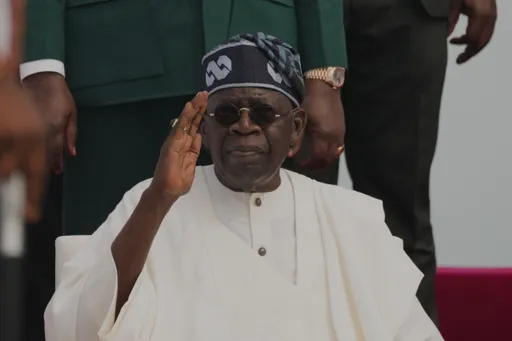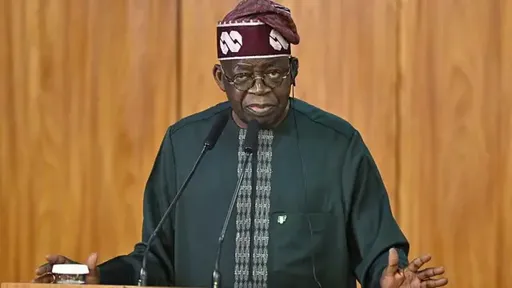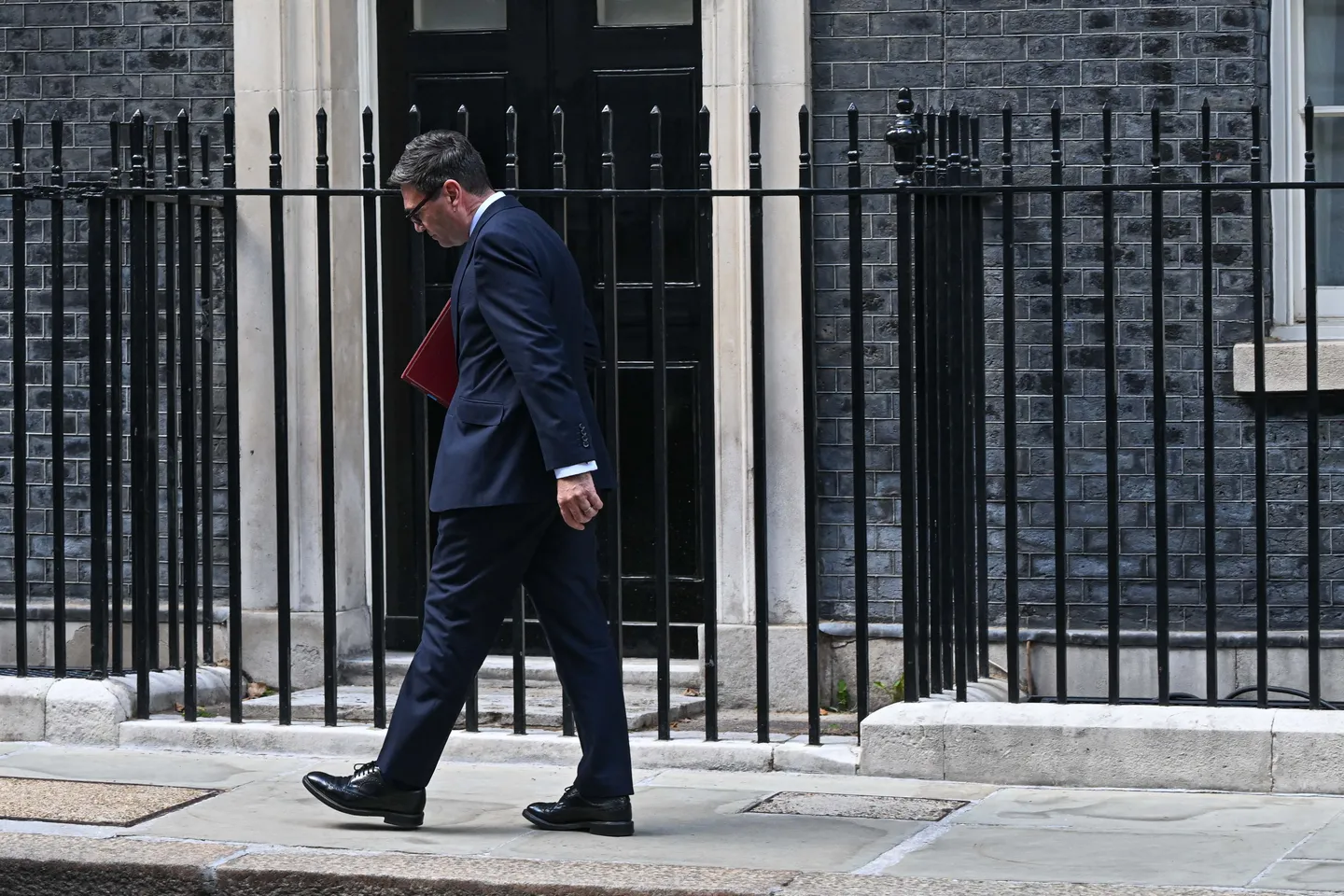
Prime Minister Andy Burnham do plenty promises to Britain for this year Labour Party conference wey happen for Liverpool earlier dis month. Na the first time im talk for the annual conference as Prime Minister, post wey im don hold since late July 2026.
Among dem pledges na new National Care Service wey go provide free care for elderly people, nationalisation of water and energy, affordable housing, a fairer vote for elections, and work to mend trade relations with the EU after Brexit.
Im call am a 'new direction' for Britain, and im talk say im don draw 'a line on a decade of division.' But im no explain how im wan heal the big racial divide wey dey Britain.
After one depressing decade of Brexit, COVID-19 and one succession of prime ministers, six of dem resign before dem finish their terms, e clear why many Britons dey feel hopeful.
When e reach Burnham promises about better economy and improved healthcare and social welfare, I dey hopeful too.
But we no fit ignore the elephant for the room: right now, as Muslim and person of colour, Britain no dey feel like one particularly welcoming place.
E disappoint say Burnham no explain how im plan to tackle the rising anti-Muslim hatred, xenophobia (hatred for outsiders) and far-right racism for im first conference speech as Prime Minister.
For im speech, Burnham mention say im do small pause from politics for 2017 because im vex about class and regional inequalities.
Even though im rightly talk about those inequalities, im speech short because im no acknowledge the discrimination wey Muslim communities and other ethnic and religious minorities dey face, nor explain how im government go tackle am.
As Burnham dey deliver im speech, anti-Muslim hatred, attacks on immigrants and attacks on mosques still dey fuel fear for different parts of Britain.
The far-right argument say those kind attacks na consequence of people wey no dey listened to no fit ever justify violence.
Climate of fear
For the past year, on average na one attack on a mosque every five days for Britain.
Exclusive data wey the British Muslim Trust share with ITV last month show say cases involving arson, violence and premeditated mass-casualty plots against mosques don rise from 3.7 percent to 23.5 percent over the past year.
Manchester, where Burnham been mayor recently, ITV describe am as an 'Islamophobia hotspot', with local Muslim people wey tell the broadcaster dem dey feel like 'moving targets'.
Other ethnic and religious minorities don also face threats and violence.
For September, Greater Manchester police arrest two men wey dem suspect say dem dey plan attack targeting one religious community for Manchester, one year after the fatal attack on Heaton Park Synagogue for the same area.
Last month, far-right anti-immigration protesters block road and intimidate people along Britain's coast; some of dem wear black balaclavas, as part of effort to stop asylum seekers from being processed.
One protester even slash one boat wey dem dey use for emergency response for the English Channel. Even with police restrictions and ban on balaclavas, protesters come back to Dover, the country's main port, last Saturday.
But against this background of fear, intimidation and violence, Burnham speech no give clear strategy to confront anti-Muslim hatred and the wider problem of xenophobia.


You no fit measure the country's prosperity by economics alone. No fit get prosperous Britain if the country be xenophobic.
Muslim organisations for Britain talk say dem hope say their communities go dey better listened to after Burnham announcement of a devolution plan. The proposal go decentralise power, give local leaders more authority to sort problems inside their communities.
This fit be welcome, especially for communities wey don long feel say national policymakers dey overlook dem.
However, the benefits for British Muslims go mostly be indirect. Devolution alone no be concrete government strategy to fight anti-Muslim hatred and racism.
The government don take some concrete steps to address anti-Muslim hatred.
Dem don adopt non-statutory definition of anti-Muslim hostility, introduce a Faith Security Training Scheme and commit up to £4 million to programmes wey dey tackle anti-Muslim hatred.
Dem don also make up to £40 million available through the Protective Security for Mosques Scheme for 2026–27, to fund measures like security personnel, CCTV and perimeter protection.
These measures welcome, especially at time wey Muslim communities dey face growing threats.
But how effective dem go be depend on how dem implement am and whether Muslims go really feel safer for their everyday life.
Government don also promise to appoint Special Representative on anti-Muslim hostility, but the position still remain unfilled six months after the announcement.
I fit name many prominent Muslims wey get long track record for community engagement and background for policymaking and politics wey go fit do the job well.
According to British Muslim news outlet Hyphen, government insiders say the recruitment process don delay. International human rights organisations like Amnesty International don warn say Islamophobic attacks for Britain don reach 'emergency levels'.
The government's failure to fill the post raise serious questions about how urgent dem dey take the problem.
A safe Britain for everyone
If part of Burnham political strategy na to win back Labour's Muslim vote — something wey fit reason the visibly Muslim female candidate wey the party don put forward for this week's London by-election — then British Muslims like me go dey watch close.
We go dey look for concrete measures, especially funding to improve security for mosques, adoption of a strong definition of anti-Muslim hostility and meaningful action against far-right racism.
As Britons, our worries no finish for the rising cost of living.
We want to live for country where we go feel safe, where dem no go dey treat us like moving targets because we wear hijab, turban or beard, or because of our ethnic or religious identity.
Burnham vision of a 'Britain for everyone' must include a concrete strategy to make the country safe for everybody, no matter ethnicity or creed.
Na that kind message wey we suppose hear from our new Prime Minister for last week's Labour Party conference.