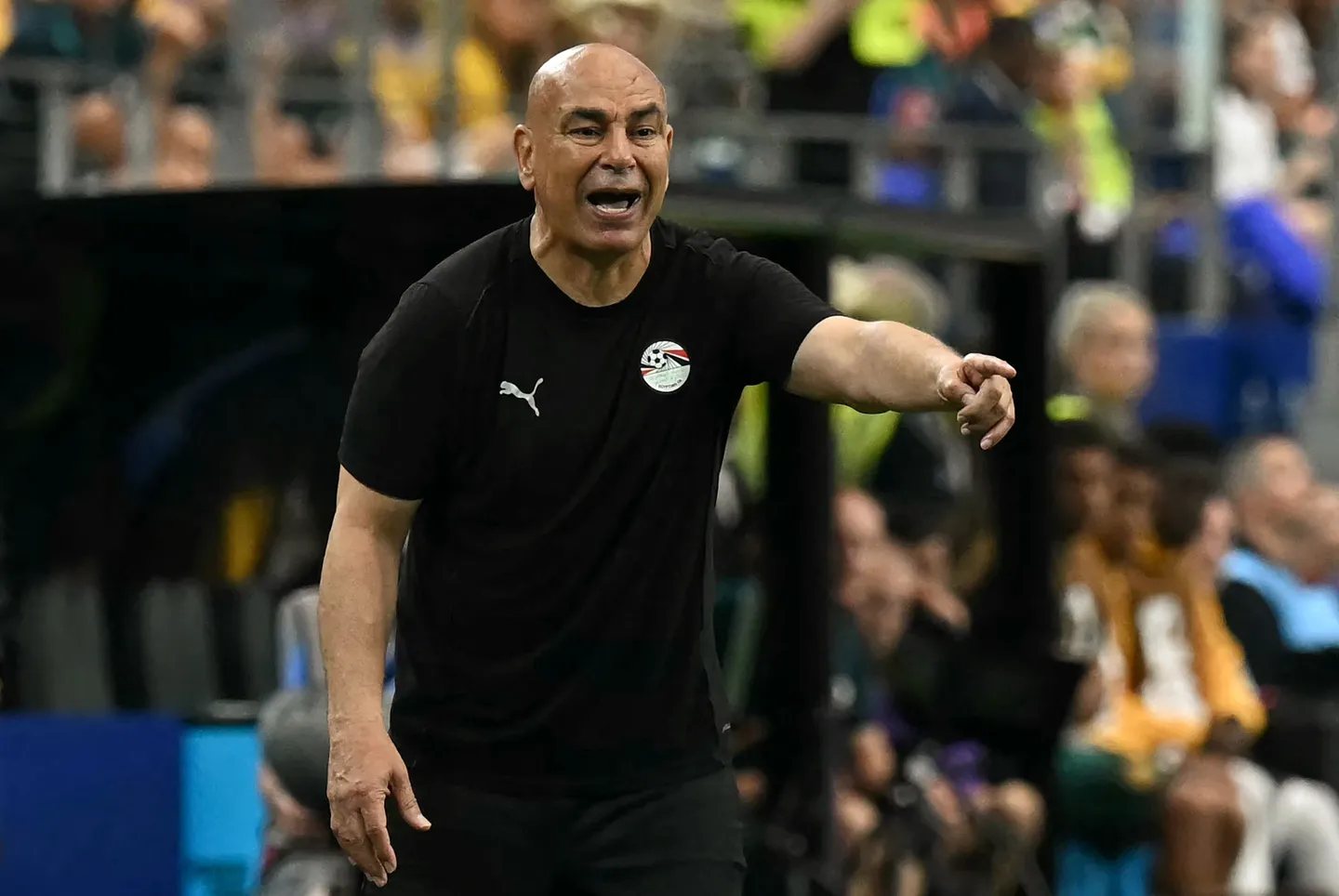
Wen FIFA suspend Egypt coach Hossam Hassan for three matches, analysts see am like normal exercise of the governing body disciplinary power. But the matter don open bigger debate again about how the most powerful football institution dey enforce im rules, especially when wahala involve teams wey get different status and influence.
Egyptian Football Association announce on Monday say FIFA Disciplinary Committee suspend Hassan after Egypt 3-2 loss to Argentina for World Cup round of 16 on July 7 for Atlanta. Him twin brother, Ibrahim Hassan, wey be team director, carry the same sanction, while forward Mostafa Zico collect five-match suspension.
The punishment follow match wey Egypt blow two-goal lead because of controversial refereeing decisions. Pharaohs vex over disallowed goal wey involve Zico and one late penalty appeal when the score don reach 2-2. After Argentina complete their comeback, Hassan accuse match officials say dem “cheated” Egypt out of quarter-final place.
FIFA rule book show say dem get power to punish public accusations wey fit undermine the integrity of the game. But the suspensions make people ask question wey pass whether Hassan words cross disciplinary line: FIFA dey apply im regulations with the same seriousness to everybody, or sporting stature and political influence dey shape how people dey see their decisions?
The Egyptian federation don ask for the detailed grounds for the sanctions so dem fit check their legal options and decide whether dem go appeal.
The controversy, according to Moroccan football analyst Jalal Bounouar, dey central to how football dey governed.
“For my side, equality suppose be the main principle wey go govern football for tournaments and leagues. All teams and countries suppose dey treated equally, no matter their status, influence or political and economic power,” Bounouar tell TRT Afrika.
E no mean say Bounouar dey yarn make Hassan comot punishment. Him talk be say the legitimacy of any sanction depend on whether similar cases dey handled by the same principles.
One rule for Egypt, another rule for football big men?
The controversy wey surround United States forward Folarin Balogun add another angle to the discussion: the way e look like political influence dey enter football administration.
Balogun get red card after one incident with Bosnia defender Tarik Muharemovic during the United States 2-0 win for the round of 32. The red card carry automatic one-match suspension wey suppose make am miss the next round.
But United States President Donald Trump reportedly beg FIFA President Gianni Infantino make dem check the case. The red card later reverse, and Balogun fit play for the US for their round-of-16 match against Belgium.
The sequence make people dey ask about the reason wey dem reverse am and whether political intervention affect the process.
Former FIFA president Sepp Blatter put the concern clear. “Red cards no be wetin political phone calls suppose overturn. Dem dey overturn by rules, evidence and independent bodies,” Blatter write for X shortly after the reversal. “If one US President intervene with FIFA President — and player suddenly clear before World Cup knockout match — the question dey unavoidable: Quo vadis, FIFA? Football must never become playground for political power.”
FIFA vice-president Debbie Hewitt also reportedly ask Infantino make dem release documents wey concern the case, and this one add to calls for more transparency from inside football leadership.
“The problem for FIFA be say disciplinary proceedings dey lose some credibility when public no fit know whether dem don finish, which findings dem reach or why dem choose particular decision,” Bounouar tell TRT Afrika.
Without that clarity, even decisions wey correct for law fit dey judged against suspicion say some cases dey get more urgency than others.
Analysts talk say the question no be whether red card fit ever reverse. Football rules get ways to review decisions. The real question be whether the same procedures, standards and safeguards go apply if the player represent country wey no get strong political or sporting influence.



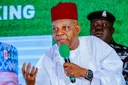


Long history of coaches wey dey challenge referees
The argument about how football authorities dey respond to criticism of refereeing no be new matter. Coaches don dey accuse officials of decisive errors, question referees’ competence and show suspicion about how match dey go. But their reactions no always lead to the same visible disciplinary consequences wey the Egyptian coaching team meet.
For 2002 World Cup, Italy coach Giovanni Trapattoni vex wella after his team two goals bin disallowed for 2-1 group-stage loss to Croatia. Two more goals bin disallowed for Italy next match against Mexico, wey make am more frustrated.
After Italy exit, Trapattoni talk say, “E bin clear from the start which way the wind dey blow.” He still criticize the officiating: “You no fit play World Cup with incompetent linesmen. I never see such negative moment for my career.”
Even though hin words strong, the FIFA response then na to defend the tournament refereeing standards instead of announce disciplinary sanctions. Communications director describe the controversial decisions wey the Ecuadorian referee make as “normal human error.”
For 2018 World Cup, Diego Maradona reaction to England penalty shootout win over Colombia cause another controversy. Maradona accuse referee Mark Geiger of favouring England, call the result “monumental robbery” and question why dem appoint American referee. FIFA rebuke him comments publicly; Maradona later apologise to FIFA and referees, say some of his words no dey acceptable.
The most recent comparison na France coach Didier Deschamps who question referee competence after France semi-final loss to Spain for the same World Cup wey Hassan get sanction. He ask, “I go ask question… does the referee get the required level to manage a World Cup semi-final?” There no be public record wey show FIFA open disciplinary proceedings for Deschamps comments.
Test for consistency
For Bounouar, the principle clear. “FIFA laws and regulations suppose dey respected and applied consistently to everybody, no exceptions or double standards. No country suppose dey favoured or disadvantaged, and disciplinary decisions suppose base on clear rules and objective criteria,” he tell TRT Afrika.
This obligation become extra important when cases involve big football powers or political people. For example, FIFA refuse to impose international ban or suspension on the Israel Football Association (IFA) after multi-year legal review wey the Palestinian Football Association (PFA) start because of the war for Gaza. FIFA finally choose financial penalties and disciplinary oversight instead of full suspension.
For Nigerian football commentator and analyst Tope Ajayi, disciplinary decisions or reversals suppose dey follow by clear explanation for why dem do am.
“For Balogun red card reversal, FIFA suppose fit explain the regulatory basis for the reversal. If investigation open for rule breach, the public suppose get proper update when e finish. If coach suspend for comments about refereeing, the disciplinary grounds suppose dey clear enough to show the difference between that offence and criticism wey governing body don treat different before,” Ajayi talk.
Ajayi add, “Football governing body no need to satisfy every supporter or overturn every disputed decision to keep authority. But e need show say rules no dey bend according to who dey involved.”
For Bounouar, “FIFA disciplinary authority job no be to prove say every controversial decision no be favouritism. Na to make sure processes behind those decisions dey transparent so that suspicions fit clear early.”