 Emmanuel Oduor
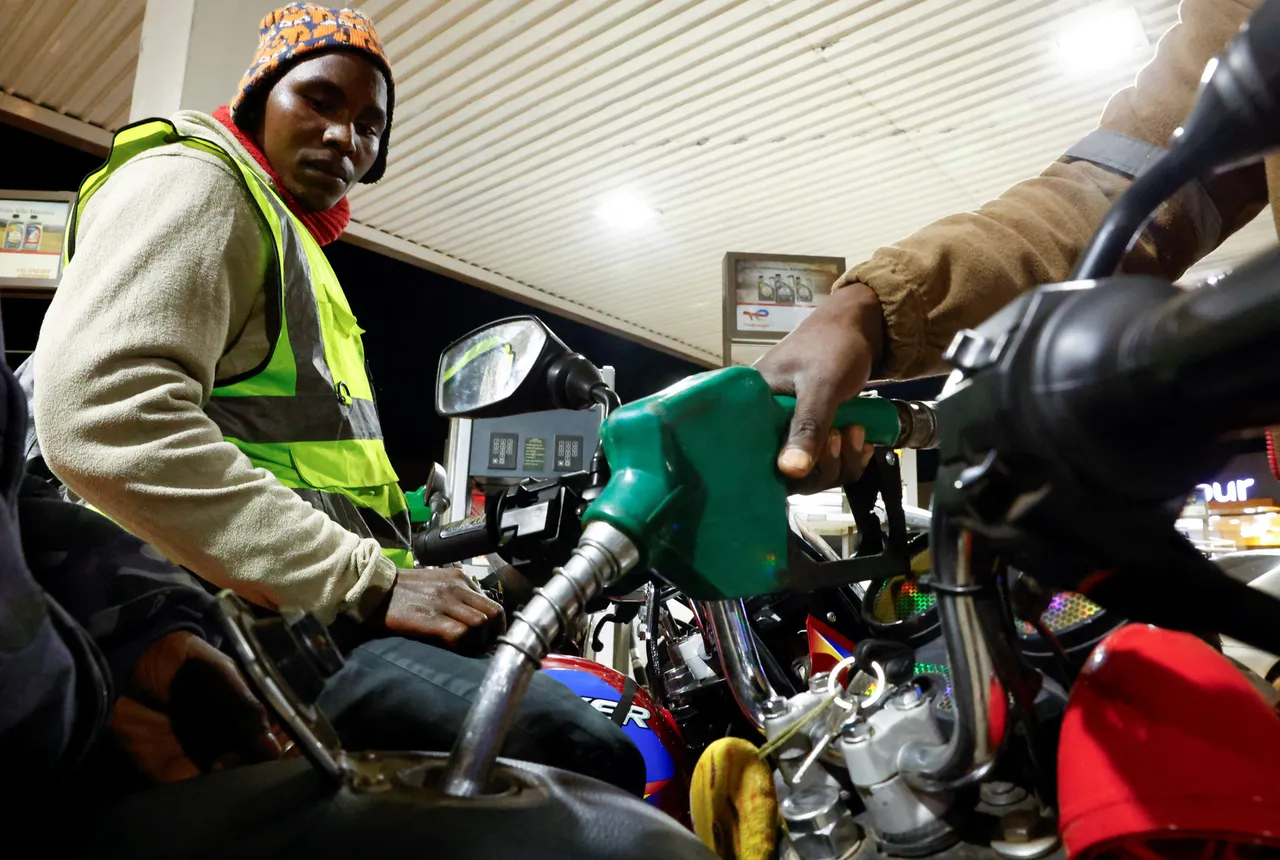
As prices soar and fuel pumps run dry at service stations across Africa and elsewhere, Kenya has lifted a ban on the importation of so-called “dirty fuel”, citing the need to keep supplies running amid shortages caused by the Middle East war.
The order came into force last week and will be in place for an initial period of six months as part of emergency measures for a country heavily reliant on fuel imports from the Gulf. It will allow the importation of fuel with a maximum sulphur limit of 50mg/kg.
Although it is meant to address scarcity, the decision comes a month after the government rejected a fuel consignment reportedly containing sulphur levels of 43mg/kg, raising curiosity.
At the time, senior executives in Kenya’s energy sector, including the head of the national pipeline and the head of the energy regulatory agency, resigned following accusations of irregularities in Kenya’s petroleum supply chain.
Sulphur is a naturally occurring chemical element that is present in crude oil and natural gas when they are extracted from underground.
Engine damage
When sulphur-containing fuel is burned in an engine, it produces sulphur dioxide and other sulphur oxides, which can contribute to air pollution and engine damage.
Therefore, environmental campaigners and consumer protection groups in Kenya have warned that higher sulphur levels in fuel during the waiver period pose a risk to the environment, human health and engines.
“The real cost of this decision will not be measured at the fuel pump; it will be measured in hospital admissions, in rising cases of asthma and chronic lung disease, and in the normalisation of poor air quality,” Peter Ngare, a climate change communication expert, tells TRT Afrika.
“Fuel shortages can paralyse economies, disrupt transport and trigger inflation. But the choice should never be framed as a choice between availability and safety. That is a false choice.”
Fivefold increase
The Consumer Federation of Kenya (Cofek), which lobbies on behalf of Kenyan consumers, said it was “gravely concerned” because the waiver raises the sulphur content from 10mg/kg to 50mg/kg — a fivefold increase — and rolls Kenya’s fuel quality back to where it stood in 2015.
“This is not a technical adjustment. It is a consumer rights crisis,” Stephen Mutoro, the secretary general of Cofek, tells TRT Afrika.
He said the organisation is reviewing the legal basis of the waiver with a view to filing an urgent constitutional petition.
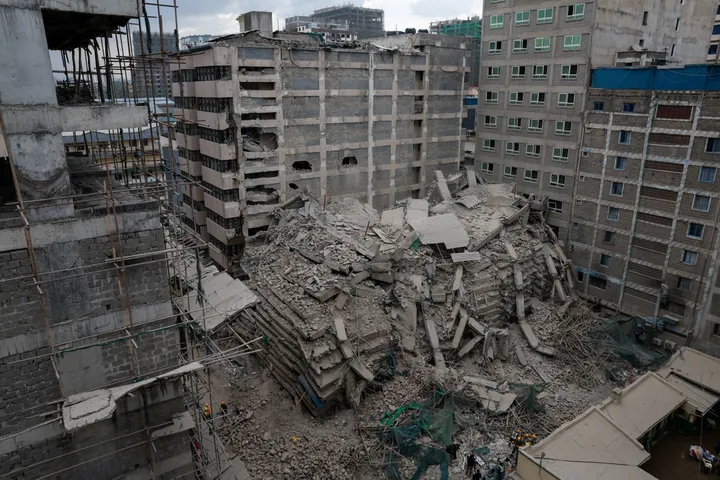
The ongoing US-Israeli war on Iran and Tehran’s retaliation have left governments around the world scrambling to cushion fuel shortages, rising pump prices and supply chain disruptions due to the blockade of the Strait of Hormuz, a route that carries about a fifth of global oil and gas.
Several African countries that rely heavily on fuel imports passing through the Strait of Hormuz have been rolling out measures to safeguard their economies.
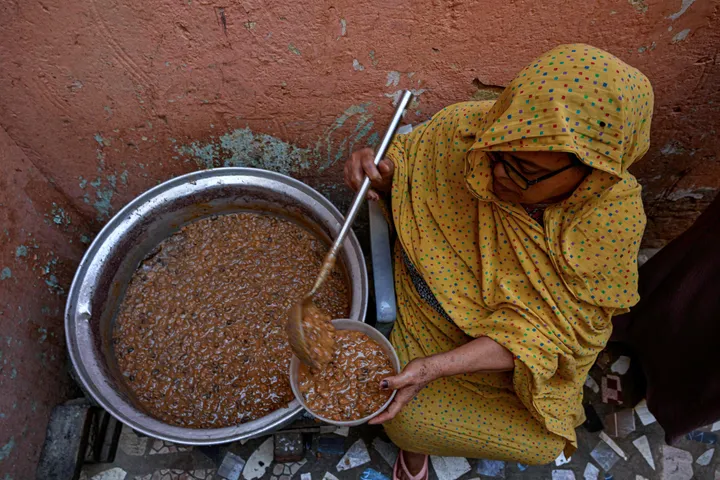
Ethiopia has imposed a fuel allocation system that prioritises public transport, agriculture, manufacturing and essential government projects. South Sudan has introduced power rationing in the capital, Juba, to conserve diesel, while Tanzania has raised nationwide fuel prices by nearly a third.






Kenya already had a Government-to-Government (G2G) oil import arrangement with Gulf countries, introduced in 2023, that allowed it to import refined fuel on credit and cut out middlemen. The suppliers under the deal included Saudi oil firm Aramco and the United Arab Emirates (UAE) state-owned oil company, Adnoc.
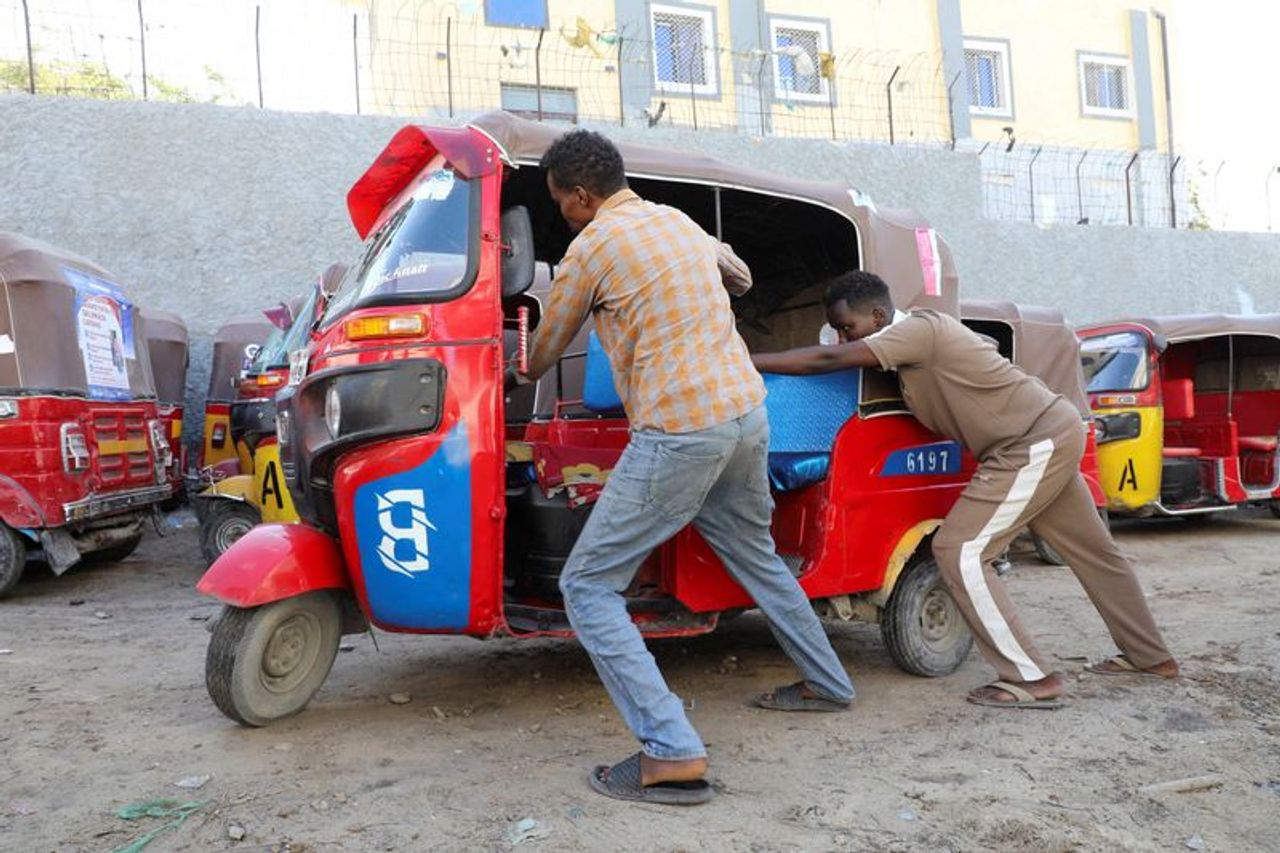
However, opposition leaders and critics have questioned why the deal has failed to cushion the East African economic powerhouse from the current crisis.
“The Government-to-Government fuel import framework was supposed to insulate Kenya from exactly this kind of supply shock. Instead, Kenya now has the most expensive petrol in East Africa, and the framework’s first real stress test has produced a quality crisis, a procurement scandal and now a regulatory rollback,” says Mutoro.
Defending decision
Allowing “dirty” fuel into the domestic market means motorists will be filling their tanks with fuel that could damage engines more, with replacement costs exceeding 200,000 Kenya shillings ($1,550) in parts alone, says the Cofek official.
However, the Kenyan government has defended its decision, which it said was taken following wide consultations.
Kenya’s Ministry of Investments, Trade and Industry said the measure was taken after it ‘’received requests from stakeholders in the petroleum sector, including the Ministry of Energy and Petroleum, regarding challenges in sourcing fuel that meets the current standard compliance levels’’.
The ministry said the waiver was approved ‘’under the guidance of the National Standards Council’’, which is the agency in charge of ensuring the quality of goods and services in the East African country, and that the move was taken ‘’in full consideration of the need to safeguard the welfare of Kenyan consumers and the stability of the economy’’.
The ‘’temporary’’ measure was ‘’intended to ensure continued fuel availability and to sustain economic stability during the current period of global supply disruption. It will be reviewed at the end of the six-month period,’’ it added in a statement on 30 April.
However, according to Mutoro, the waiver on sulphur levels is an issue beyond Kenya’s borders, saying the policy contravenes a regional treaty introduced in 2015 on fuel standards in East Africa.
“The East African Community (EAC) fuel quality standards are not domestic administrative rules that a cabinet minister can wave away with a press release. They are the product of a regional harmonisation process under the EAC Treaty, to which Kenya is a signatory,” Mutoro says.
“A unilateral six-month suspension of EAC-adopted standards without reference to the EAC Council or partner states is a treaty compliance issue, not merely a domestic policy matter,” he argues.
‘A shocker’
Environmentalists have also warned of the impact of allowing “dirty fuel” back into the domestic market, saying the effects will outlast the waiver period.
“We are talking about thousands and thousands of vehicles being fuelled with this low-grade, sulphur-contaminated fuel. Releasing that emission is danger enough even for a day, let alone six months, in a country that has always been said to be a world leader in environmental conservation. This is a shocker,” says environmental campaigner James Wakibia.