Ghana’s recent economic recovery could face immense challenges without sustained reforms, the European Union’s top diplomat has cautioned, raising concerns about the durability of gains recorded in recent months.
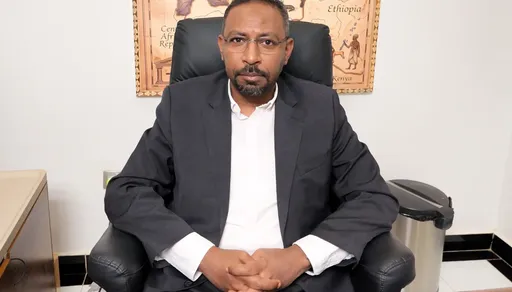
Speaking at a media engagement in Accra, EU Ambassador to Ghana, Rune Skinnebach, acknowledged improvements in key macroeconomic indicators but warned that the progress rests on weak foundations.
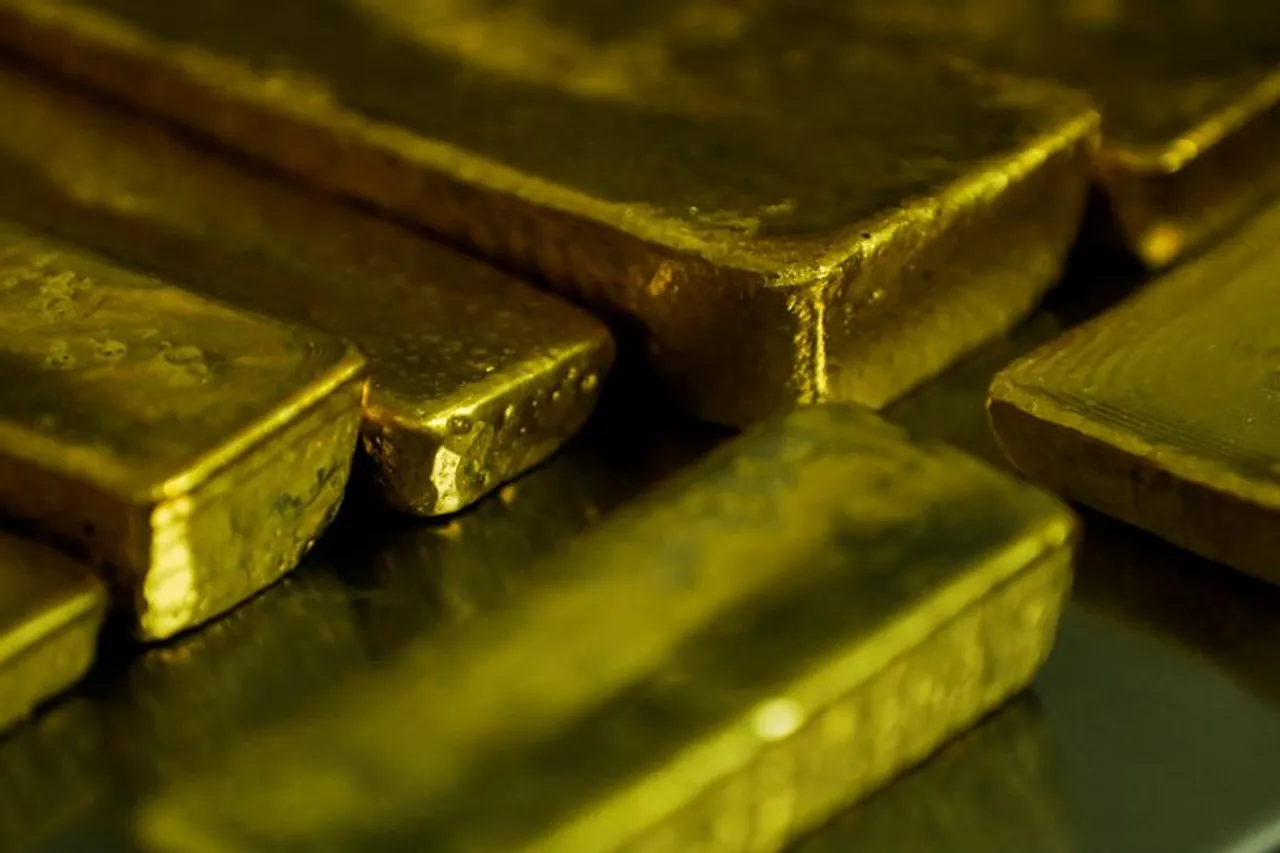
“The economy is doing great, but it is based on a very fragile pillar,” he said, pointing to the country’s reliance on favourable external conditions such as high gold prices and global commodity trends.
Ghana’s economy has long depended on commodities such as gold, cocoa and oil, making it vulnerable to global price fluctuations despite periods of strong growth. In recent years, the country has pursued reforms under international support programmes following a severe economic crisis marked by high debt and inflation.
Maintaining momentum
While recent performance has exceeded expectations, Skinnebach cautioned that maintaining momentum will require disciplined policy implementation, consistency, and accountability in public spending.

He added that global uncertainties — including commodity market volatility and geopolitical tensions — continue to pose risks to developing economies like Ghana, reinforcing the need for a more resilient and diversified economic base.
Skinnebach stressed that Ghana cannot rely indefinitely on commodity-driven growth or periodic debt restructuring, urging authorities to deepen structural reforms and improve domestic revenue mobilisation.
“The success is based on reform, but also on external factors, and we cannot count on that every few years,” he said.
He identified weak tax collection systems as a key vulnerability, calling for a more predictable and efficient revenue framework to strengthen economic resilience. The ambassador also highlighted mounting pressures in traditional pillars of the economy, including cocoa and petroleum, warning that these challenges underscore the need for diversification.
The warning comes as Ghana seeks to consolidate its recovery and restore long-term stability, with development partners such as the European Union positioning themselves as key stakeholders in the country’s reform and growth agenda.