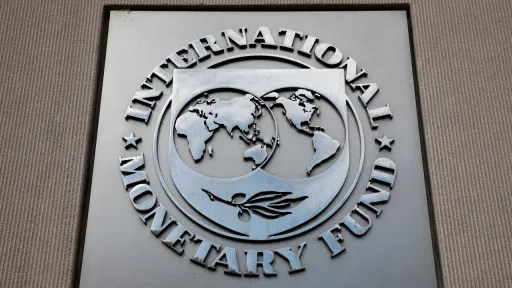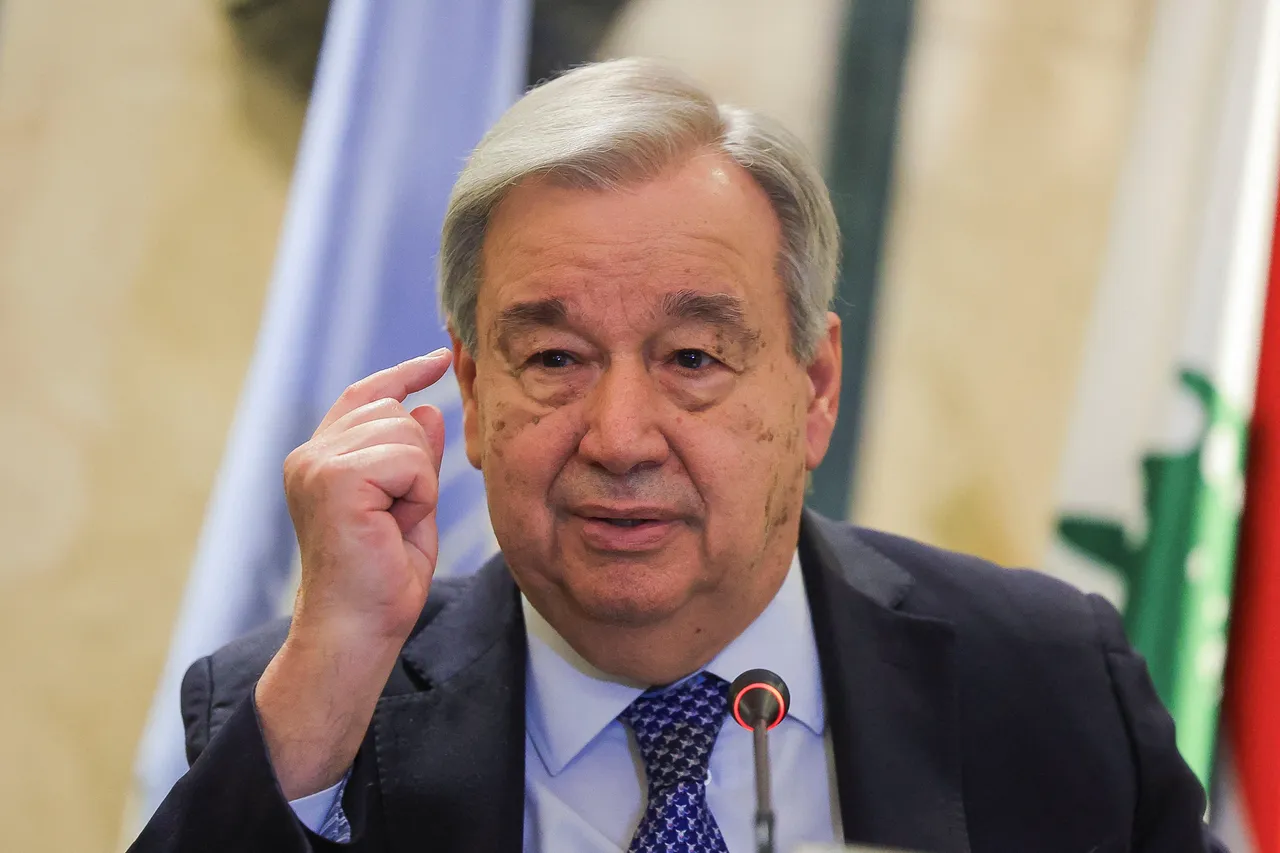
United Nations Secretary-General Antonio Guterres says the world body will reduce senior leadership positions and pursue deeper structural reforms over the next two years as part of a broad effort to streamline the 80-year-old institution amid a worsening financial crunch.
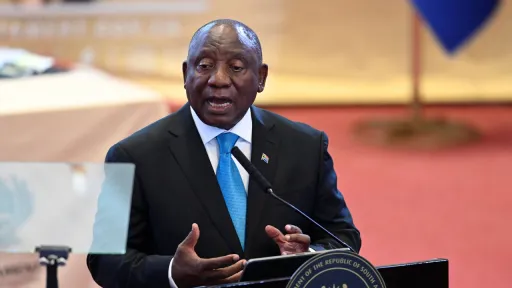
Addressing the General Assembly in New York on Thursday, Guterres said the reforms under the so-called “UN80” initiative are aimed at making the organization “more agile, coherent, cost-effective, and impactful” as it grapples with mounting geopolitical tensions and chronic funding shortfalls.
“The moment requires deliberate and decisive reform, because inaction in the face of geopolitical turmoil would compound human suffering,” Guterres said.
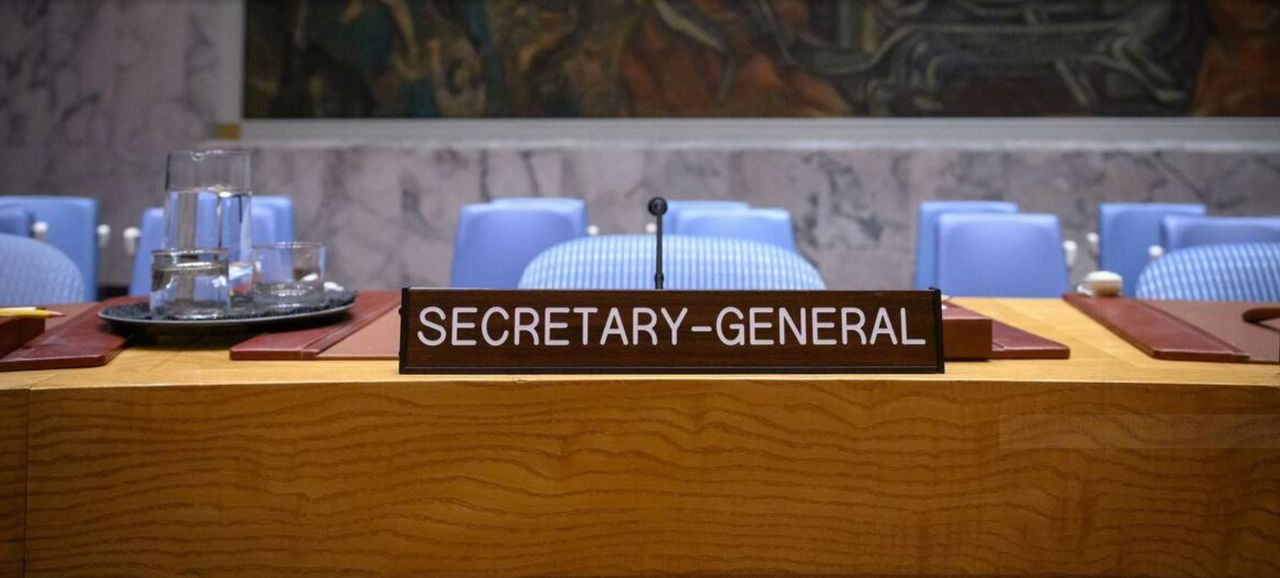
The UN chief, whose second term ends in 2026, said next year’s budget would include measures to reduce hierarchical layers and begin cutting senior-level posts, with additional reductions expected in 2028. He did not provide specific figures.
The reforms also include shifting more personnel away from expensive duty stations such as New York and Geneva to lower-cost hubs. Guterres said more than 2,000 jobs have already been relocated as part of the effort.
But he stressed that reform alone cannot solve the UN’s deepening financial problems, urging member states to pay their dues “without conditions or delay.”
UN80 initiative
“UN80 can improve the way the United Nations performs, but it cannot substitute for, or compensate for, failure to honor that basic treaty obligation,” he said.
The UN is facing a severe budget crisis fueled in part by unpaid contributions from member states, particularly the United States — the organization’s largest contributor. According to UN figures, member states owe nearly $2.8 billion in regular budget dues, with the US accounting for more than $2 billion of the outstanding amount. China is the second-largest debtor, owing roughly $429 million.



A UN report issued earlier this month warned the organization could face “imminent collapse” by mid-August unless outstanding payments are made.
Guterres acknowledged that resistance within the UN system itself was slowing some reforms, citing “bureaucratic inertia and defensiveness” surrounding proposals to merge or eliminate certain agencies.
“Genuine reform requires tough choices. This is no time for complacency, self-interest, or foot-dragging,” he said.
Tough choices
Many senior UN posts have long been informally reserved for major powers, which view them as symbols of influence and prestige. Budget documents show that while recent cost-saving measures reduced lower-level staffing more aggressively, cuts to elite positions remained comparatively limited despite a decades-long expansion in senior roles.
Guterres said member states ultimately hold the key to determining the scope of the reforms.
“At this stage, the overall direction and scale of UN80 lie in the hands of Member States to determine,” he said.
The United States, which has announced plans to withdraw from several UN bodies under President Donald Trump, has repeatedly called for a leaner organization focused more narrowly on peace and security.
China also signaled support for reform efforts this week. Foreign Minister Wang Yi said “overlapping bodies and mandates in the UN system should be streamlined, resources be better integrated and a culture of efficiency be promoted.”
Several candidates seeking to replace Guterres as secretary-general have likewise called for major changes to the multilateral system as confidence in global institutions weakens worldwide.