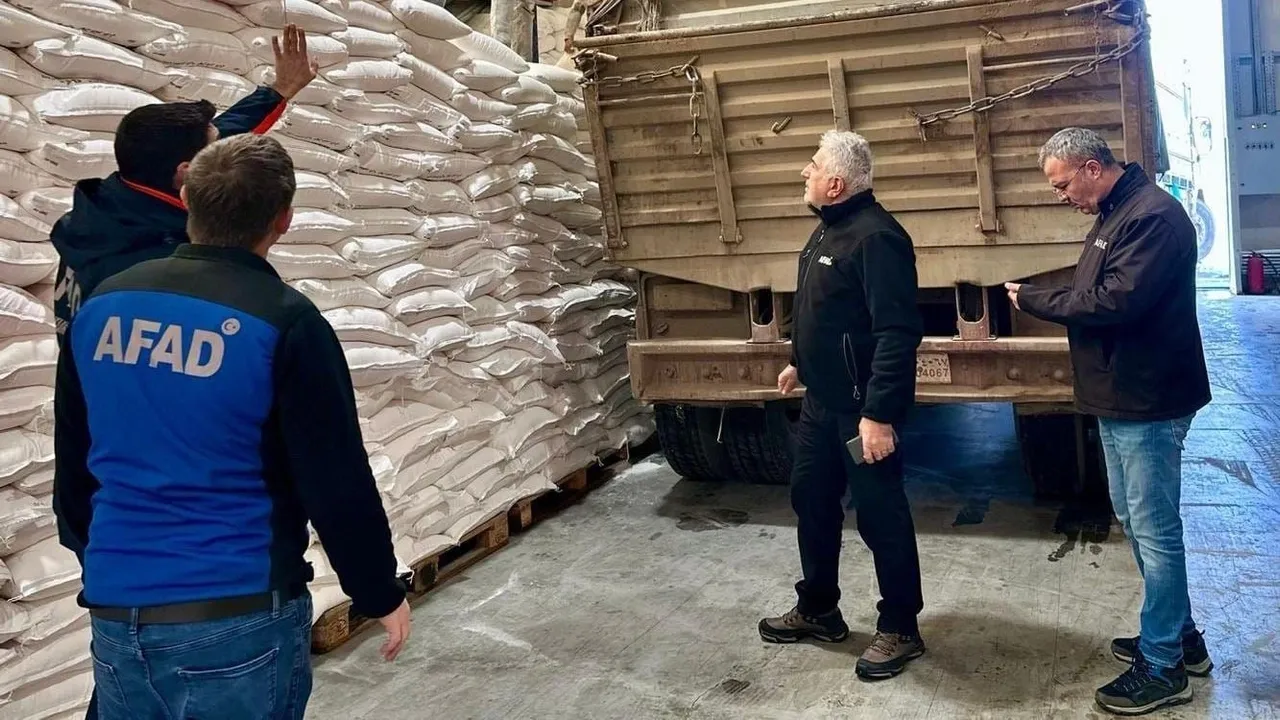
Türkiye, through its Disaster and Emergency Management Authority (AFAD), has delivered 36 tonnes of food aid to people in need in Nigeria, in support of humanitarian efforts in the country.
The aid, sent as part of a programme carried out in coordination with the UN, was distributed at the Malkohi Internally Displaced Persons Camp near Yola, the capital of Adamawa State.
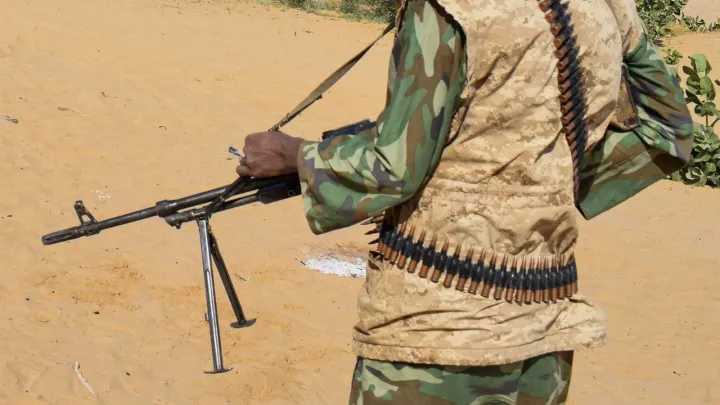
Many of those living in the camp fled their homes due to attacks by Boko Haram terrorist group.
The distribution ceremony was attended by Türkiye’s Ambassador to Abuja, Mehmet Poroy, Adamawa Commissioner for Humanitarian Affairs Bello Hamman Diram, National Emergency Management Agency Adamawa official Selen Laori, as well as local authorities and guests.
Nigeria thanks Türkiye
Speaking at the event, Poroy underscored that Türkiye is among the leading countries in humanitarian assistance, saying: “These aid efforts aim to alleviate, even to a small extent, the hardships faced by people struggling to survive under difficult conditions.”
Noting that Türkiye has long been providing humanitarian assistance to Nigeria, Poroy added that the country is also offering additional support in its fight against security challenges.





For her part, NEMA Adamawa official Laori thanked the Turkish government for the assistance, emphasising that the aid materials sent by AFAD are of great importance to the people living in the camp.
The 36 tonnes of food aid are expected to contribute to meeting basic needs in the region. The packages include essential food items as well as supplies to support the daily lives of camp residents.
Humanitarian diplomacy
Türkiye has drawn attention in recent years for its humanitarian activities across Africa, continuing to support civilian populations affected by conflict and terrorism.
The aid, coordinated by AFAD, is considered part of Türkiye’s broader humanitarian diplomacy efforts and contributes to UN-led operations in the region.
Boko Haram’s long-running terrorism in northeastern Nigeria has forced hundreds of thousands of people to flee their homes, creating a humanitarian crisis that continues to require international support.