 Pauline Odhiambo
The water sparkled invitingly under the Mombasa sun, a perfect escape from the coastal city's sweltering heat.
Fatima*, a mother of three and a teacher at a local primary school, had brought her students to the community swimming pool for a rare treat—a reward for their hard work in exams. Laughter echoed off the tiled walls as children splashed and played. But in an instant, the joy dissolved into horror. Fatima noticed a small hand flailing near the deep end, then nothing. She scanned the water, her heart pounding, and saw a still, small body sinking beneath the surface. She screamed, diving in fully clothed, but by the time she pulled the six-year-old girl from the water, her eyes were vacant.
The child, whose name was Amina, never regained consciousness. The lifeguard arrived too late, the bystanders stood frozen, and Fatima held the limp, wet body in her arms, sobbing. That day, the pool became a tomb, and Fatima's world was forever split into before and after.
"I still hear the silence that followed," she recounts to TRT Afrika, her voice barely above a whisper. "Amina was in my care, and I couldn't save her. I replay it every single night—the splash, the stillness, the weight of her in my arms. I vowed that day that I would never stay silent again. If I had known what to do—if anyone had known—she might be alive today."
‘Silent killer’
Fatima's story is not unique. Across Africa, where water is a source of life and recreation, it can also become a source of unexpected tragedy.
The scale of the problem is staggering. The World Health Organization (WHO) estimates that nearly 300,000 people die from drowning globally each year, with more than 90% of these deaths occurring in low- and middle-income countries. The African region bears the heaviest burden, recording the highest mortality rate of any WHO region, with an estimated 66,000 people drowning annually. These are not just statistics; they are daughters, sons, and students like little Amina.
The pain is felt acutely in countries like Ghana, where an estimated 1,100 people die from drowning each year—the equivalent of three deaths every single day.
In Uganda, unofficial figures suggest drowning claims as many as 2,000 lives annually, with children and young adults disproportionately affected. South Africa, too, reports over 1,500 drowning deaths per year, with a significant number occurring in inland waterways and swimming pools. It is a tragedy that often goes unnoticed, eclipsed by more visible health emergencies. As Deputy Chief Fire Officer Heroine Sekyere Boakye of Ghana aptly described it, drowning is a "silent killer."
Climate change risks
The dangers are multifaceted.
Many deaths occur in everyday places like rivers, lakes, wells, domestic water storage containers, and, as Fatima tragically discovered, swimming pools. Adding to this risk is the accelerating impact of climate change. As extreme weather events like floods and storms become more frequent and intense, the risk of drowning rises dramatically. Studies show a clear link between heatwaves and drowning, with research from the UK indicating that drowning deaths increase by 7.2% for every 1°C rise in temperature. The risk is also nearly five times higher on days when temperatures exceed 25°C compared with days below 10°C.
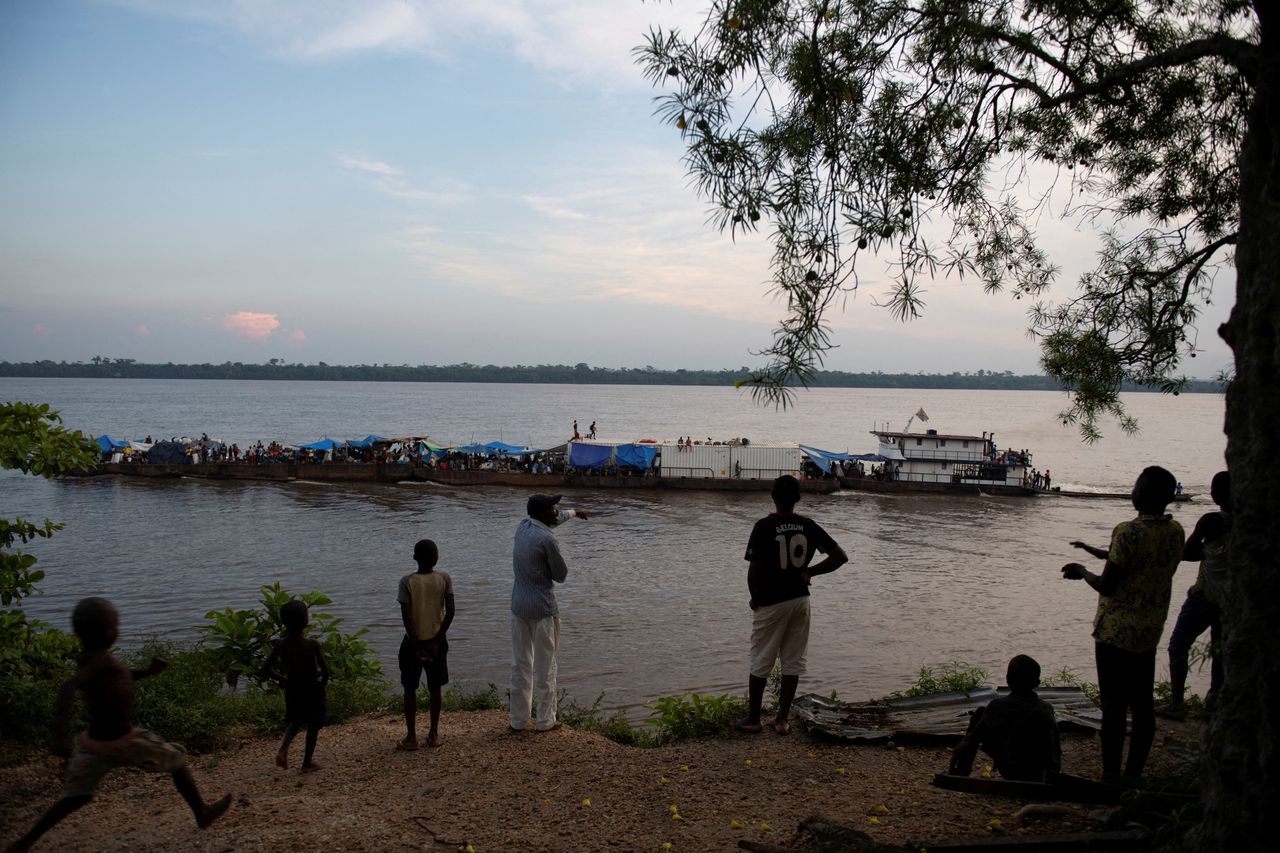
The human cost extends beyond a single incident, creating a ripple effect of trauma. For instance, journalist Canary Mugume, while documenting a drowning tragedy in Uganda, met Sophia Byogero, a mother living by the lake. Her story is one of devastating loss: she lost one child to drowning while attempting to take them to the hospital by boat at night. A year later, paralyzed by fear of the water, she was unable to seek medical help for another child, who later died from sickness.
"We were documenting grief, desperation and the painful choices that no human being should ever have to make," Mugume recalled. This illustrates the invisible wounds that drownings leave on families and communities, a trauma as profound as the physical loss.

Safe waters
Acknowledging the scale of this preventable tragedy, the World Health Organization has launched a new technical package to help governments and communities implement seven proven measures to reduce drowning deaths. Unveiled ahead of World Drowning Prevention Day on 25 July, the package is built around the acronym PROTECT, offering practical, evidence-based policy guidance.







The seven strategies are:
· Physical infrastructure that promotes safe interaction with water.
· Rescue and resuscitation capability for bystanders and professional responders.
· Occupational safety for work around water.
· Transport safety standards** for water travel.
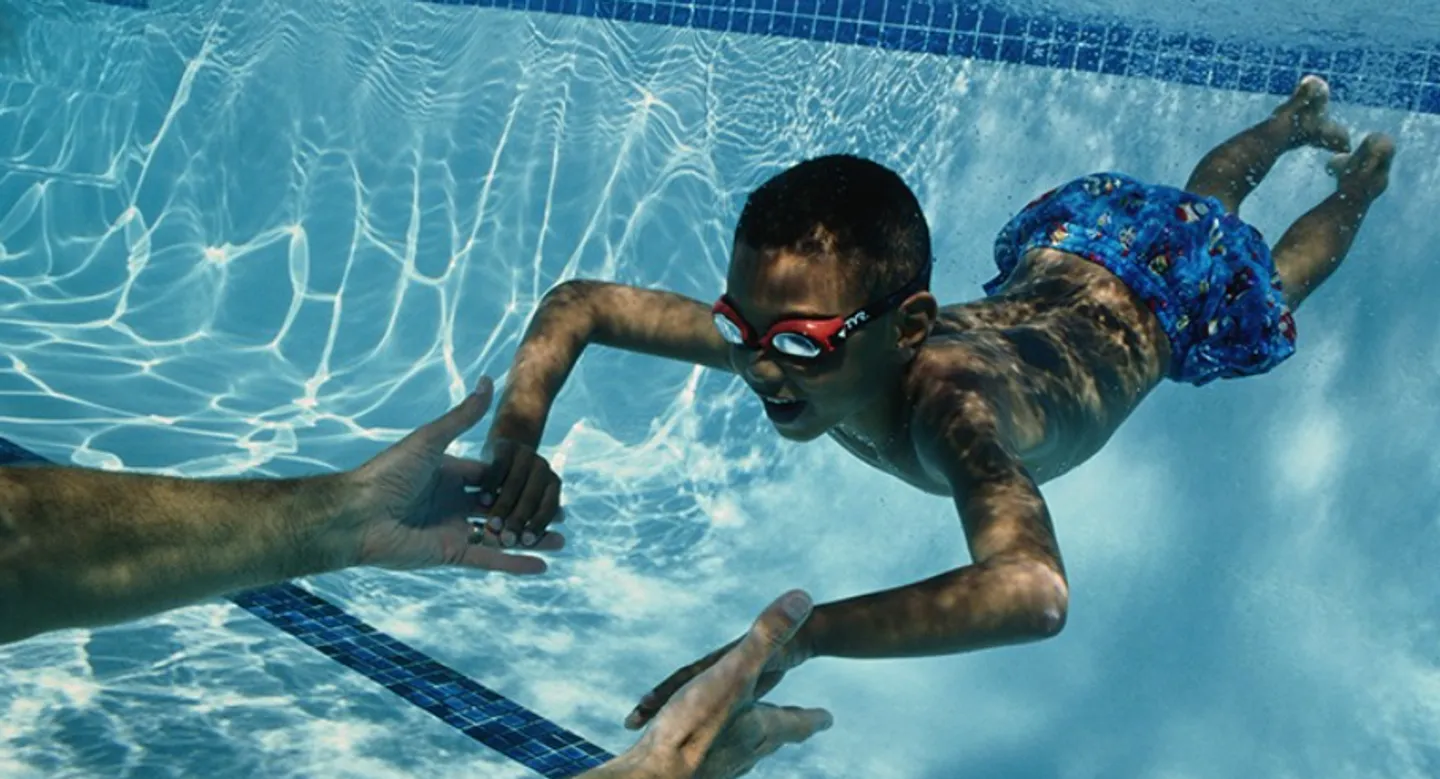
· Education in basic swimming and water safety.
· Child-care systems and ensure safeguarding.
· Threat preparedness for floods and other multi-hazard emergencies.
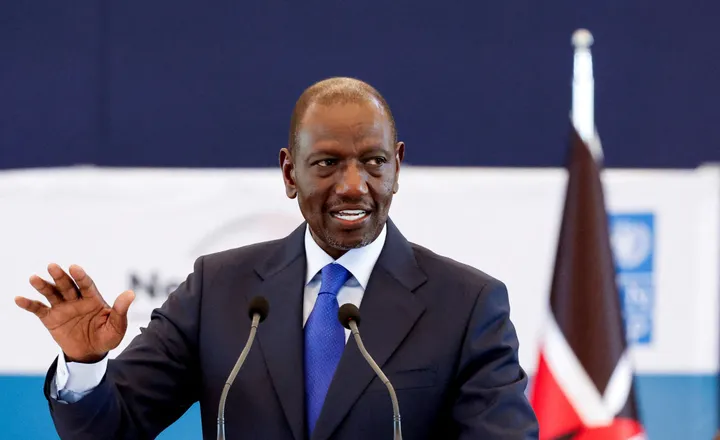
"Every drowning is a tragedy, and most are preventable," Dr Tedros Adhanom Ghebreyesus, WHO Director-General, states. "The seven PROTECT strategies give countries practical, evidence-based approaches to prevent these tragedies, including making water transport safer, teaching school kids to swim, and preparing for floods. Drowning prevention isn't the job of one ministry; it belongs to everyone, and the lives it saves are the reward."
The PROTECT package was launched in Ghana, revealing the country's growing political will to tackle this issue. This builds on efforts like the recent establishment of a National Coordination Board on Drowning Prevention for Ghana, which brings together a coalition of fire services, police, maritime authorities, and universities with a shared mission to make the country's waters safer.
These efforts align with Bloomberg Philanthropies' partnership with WHO on drowning prevention.
"This framework will save lives while building on the progress governments around the world are making to prevent drowning deaths in their countries," says Dr Kelly Henning, who leads the public health program at Bloomberg Philanthropies.
This year's World Drowning Prevention Day theme, "Unite to turn the tide," reflects the urgent need for coordinated action across governments, sectors, and communities. The journey ahead is long, but the commitment is clear.
For survivors like Fatima, the water may never hold the same allure, but there is hope in the knowledge that fewer families will have to endure the grief she carries. Today, she has channeled her trauma into action, training as a swimming instructor and teaching water safety in Mombasa's schools.
"Amina's death was not in vain," she says, her eyes glistening but resolute. "Every child I teach to float, every parent I show how to do CPR—that is my way of honoring her. If these new strategies mean one more child goes home to their mother, then we are winning. The tide is turning, and I will be part of that change until no mother has to feel what I felt."
*Name has been changed to protect identity