President Adama Barrow’s government has apologised to Gambians amid growing public pressure over a worsening nationwide electricity and water crisis.
The apology follows recent street protests in the capital, Banjul, where citizens say life is becoming more difficult.
The government is now sending a message of appeal, apology, and hope.
Information Minister Ismaila Ceesay said the government acknowledges the “serious national concern”, accepts responsibility for failing to provide reliable electricity, and apologises to citizens.
Quoted by local media on 10 September, Ceesay said authorities understand the public “anger and frustration”, and that President Barrow is taking the electricity crisis “very seriously”.
In an interview with Gambia’s West Coast Radio, Ceesay said the government is working “around the clock” to resolve the problem.
‘Surge in electricity demand’
However, in the wake of this week’s protests in the capital and surrounding areas, he cautioned against turning the electricity crisis into a political weapon with presidential elections just three months away.
One of the main public demands is for NAWEC, the National Water and Electricity Company, to communicate more clearly and publish a proper load-shedding schedule to help people plan around the blackouts.
From refrigeration and cooking to businesses, communications, and access to information, the prolonged outages mean much more than simply keeping the lights on for The Gambia’s 2.9 million citizens.
The government says it recognises that impact and is urging the utility company to work harder and communicate more clearly with citizens.
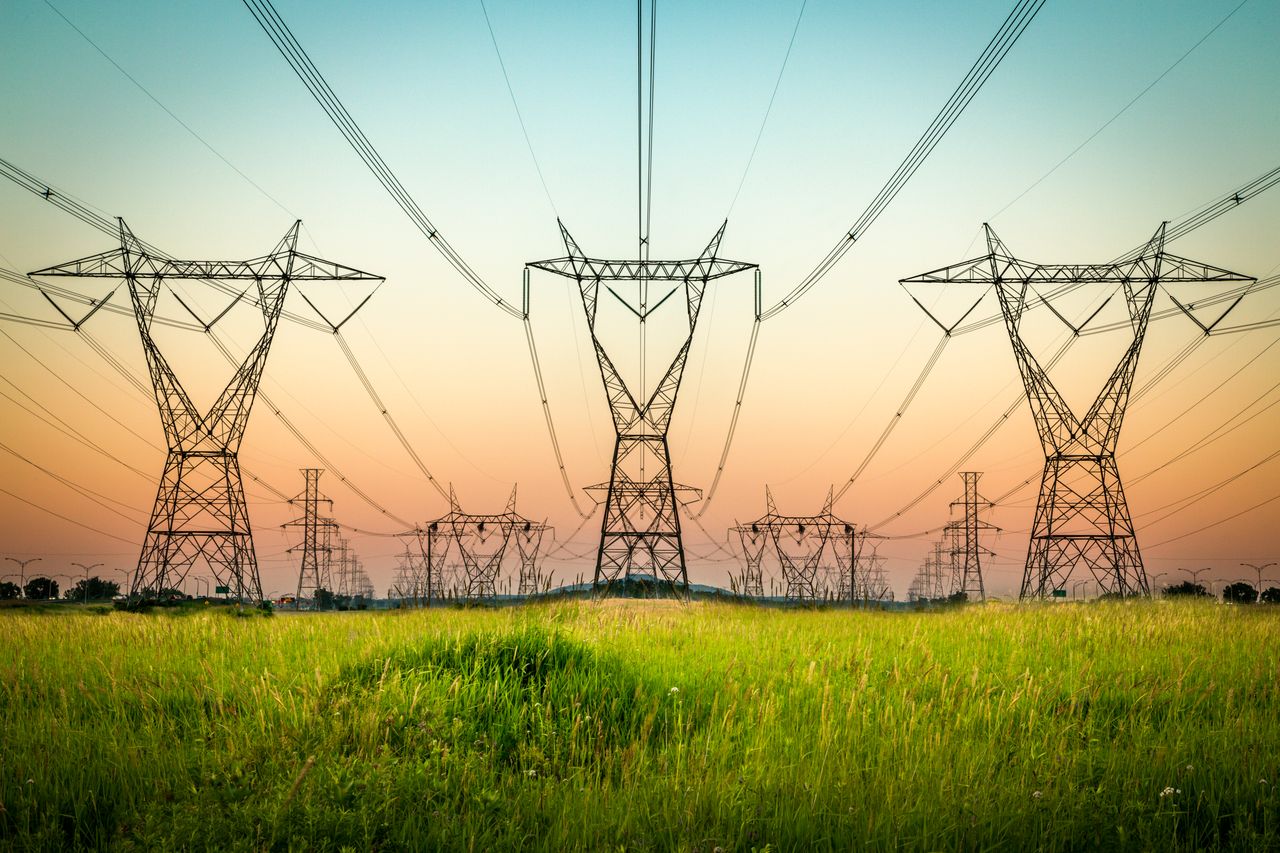
The Gambia has limited installed electricity generation capacity, reportedly just between 90 and 160 megawatts, with actual production often below 50%.
It relies heavily on imported power, particularly from Senegal and Guinea.
NAWEC attributed the current crisis to an “unforeseen surge in electricity demand”, technical problems at its facilities, and energy disruptions caused by the war in the Middle East.
Earlier this week, President Barrow, who came to power a decade ago, vowed that there would be improvement by the end of October with the ongoing installation of an additional 24-megawatt generation unit at the Brikama Power Station.
Amid growing public frustration, one key question now is how quickly the authorities can resolve the crisis.