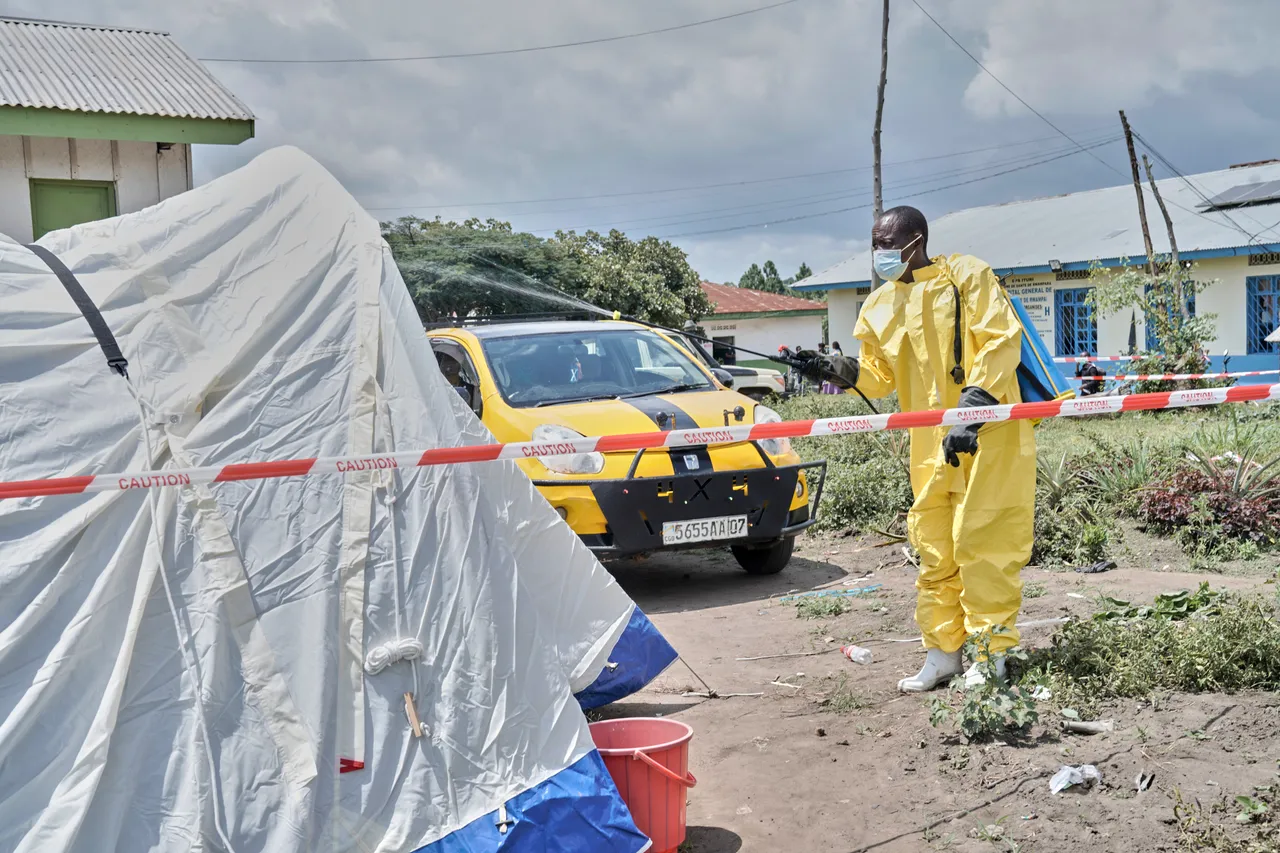
Russian Foreign Ministry spokeswoman Maria Zakharova said on Thursday that Moscow is concerned about the Ebola outbreak in the Democratic of the Congo and Uganda and that it was ready to help resolve the crisis.
Some 51 Ebola cases have so far been confirmed in Congo, according to the World Health Organization.
Meanwhile South Korea on Thursday raised its travel alert for Uganda, Yonhap News Agency reported, after the East African country reported two confirmed cases in its capital, Kampala, including the death of a person who had traveled from Congo..
The South Korean foreign ministry raised its travel warning for all of Uganda from Level 2, which advises against nonessential travel, to a special travel advisory.
Cancel travel
The government urged South Korean nationals to cancel or postpone planned travel to Uganda and advised those staying in the country to pay special attention to their safety.
The ministry also plans to issue a Level 4 travel ban for Ituri Province in the Democratic Republic of the Congo.


The Korea Disease Control and Prevention Agency Tuesday designated Congo, Uganda and South Sudan as priority quarantine management countries for the Ebola virus disease.
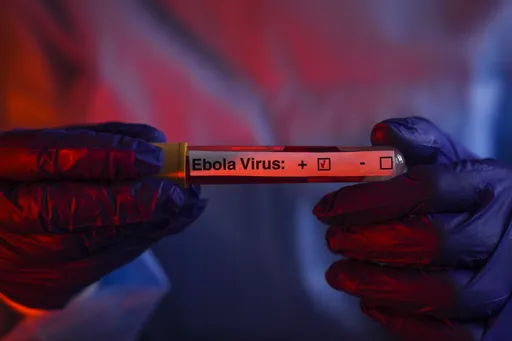
The latest outbreak is being driven by the Bundibugyo strain, one of several viruses that can cause Ebola disease, according to WHO.
Lower fatality
Ebola symptoms include fever, muscle pain, rash and sometimes bleeding. The virus is transmitted through direct contact with bodily fluids, including handling contaminated materials or contact with someone who has died from the disease.
The fatality rate involving the Bundibugyo strain is estimated to be between 25% and 40%, according to Doctors Without Borders (MSF).
By comparison, the estimated global fatality rate for COVID-19 was far lower — generally well below 1% overall.