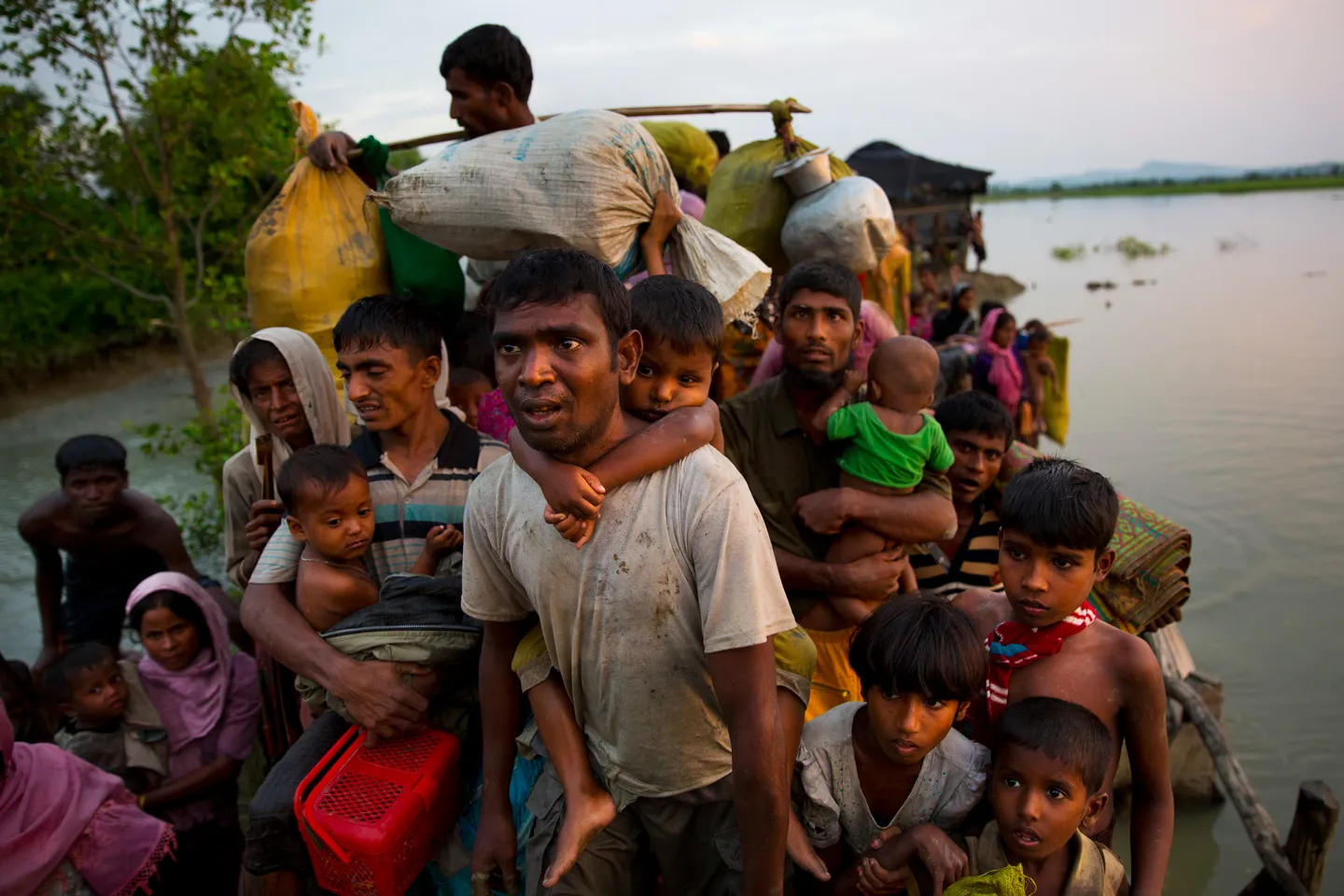
The top United Nations court is delivering its judgment on Thursday on whether Myanmar committed genocide in a brutal offensive against the Rohingya nearly a decade ago that forced hundreds of thousands of the mainly Muslims to flee to neighbouring Bangladesh.
The Muslim-majority African nation of Gambia launched the proceedings at the International Court of Justice in 2019, asking it to rule that Myanmar has breached the 1948 Genocide Convention, order the nation to put an end to any illegal activities targeting the Rohingya and ensure those responsible for genocide are punished.
Myanmar has defended its military crackdown, calling it a legitimate counterterrorism operation that did not amount to genocide.
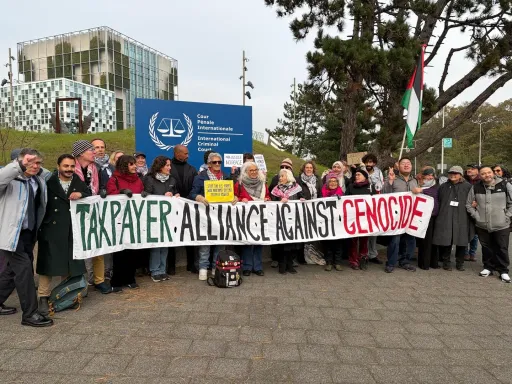
The judgment comes while the World Court also is handling genocide allegations linked to the Israeli war on Gaza and the Russia-Ukraine war.
Enduring harsh conditions
“Genocides have similarities in how they are committed so this decision will have an impact on other cases,” said Melanie O’Brien, a professor of international law at the University of Western Australia.
In August 2017, Myanmar’s military launched what it called a clearance campaign in northern Rakhine state in response to an attack allegedly by a Rohingya group. The campaign led to accusations that security forces committed mass rapes and killings and burned thousands of homes.
Under the 1948 convention, to establish that genocide occurred, the court will have to find that there was an intent to destroy the Rohingya “in whole or in part.”




About 1.2 million Rohingya refugees now live in Bangladesh, primarily in crowded camps across Cox’s Bazar district, where they endure harsh conditions marked by fire hazards, infectious diseases, monsoon landslides, inadequate sanitation and strict work restrictions.
ICJ’s powers
Gambia has asked for reparations for the Rohingya, including ordering Myanmar to grant them full citizenship and the right to return home.
The court’s rulings are final and legally binding, but even if it grants Gambia's request in full, it has no way to enforce it beyond reporting non-compliance to the UN Security Council.
A finding of genocide would be the first time the International Court of Justice has passed such a judgment.
In 2007, the court said that Serbia “violated the obligation to prevent genocide” in the 1995 Srebrenica massacre, when Serb forces murdered some 8,000 mostly Muslim men and boys in the Bosnian town.
Judges at The Hague-based court have also been asked to weigh in on other allegations of genocide.
South Africa has accused Israel of breaching the genocide convention during its military attacks on Palestinians in Gaza.