 Mohamed Okash
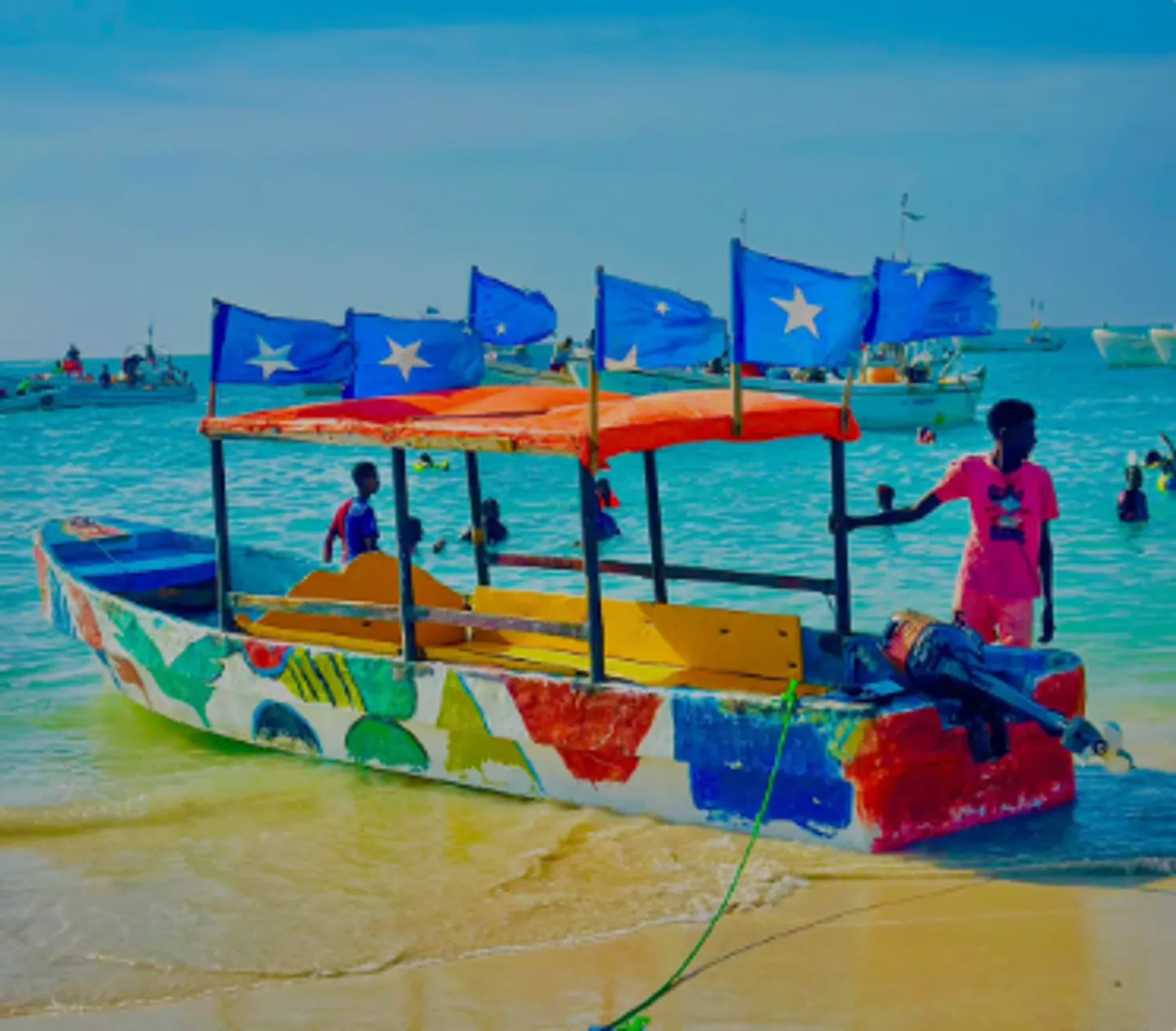
Every day, wealth passes through Somali waters. Fish are harvested, ships move along one of the world’s busiest maritime corridors, and commercial opportunities flow across a coastline stretching more than 3,300 kilometres—the longest on mainland Africa. Yet only a small share of the economic value generated by these maritime assets remains in the country.
The challenge is not a lack of natural endowment. Somalia possesses an extensive Exclusive Economic Zone, rich fisheries and a strategic position linking the Red Sea and the Indian Ocean. The problem is that too much value leaves the country before it can be captured through local processing, cold chains, port services, maritime transport and coastal enterprise. Somalia still exports resources when it should increasingly be exporting value.
This is why the future of Somalia’s blue economy should not be measured simply by the volume of fish landed or the number of vessels operating in its waters. It should be measured by how much income, employment, investment and industrial capacity the country is able to retain from the economic activity its ocean already generates.
The problem is not fish. It is value
The timing could hardly be more significant. Somalia’s accession to the East African Community opens access to a rapidly expanding regional market, while growing commercial links with Türkiye, Gulf countries, China and other international partners are widening demand for Somali marine products.
These developments should not encourage a race to export more raw resources. Instead, they should accelerate investment in fisheries value chains, cold-chain infrastructure, modern ports, maritime transport and coastal industries so that a greater share of the value created from Somalia’s ocean remains within the domestic economy before reaching regional and global markets.
The real question is therefore not whether Somalia has the potential to become a maritime economy. It already does. The question is whether it can build the institutions, infrastructure and industries capable of capturing the value that currently escapes its shores.
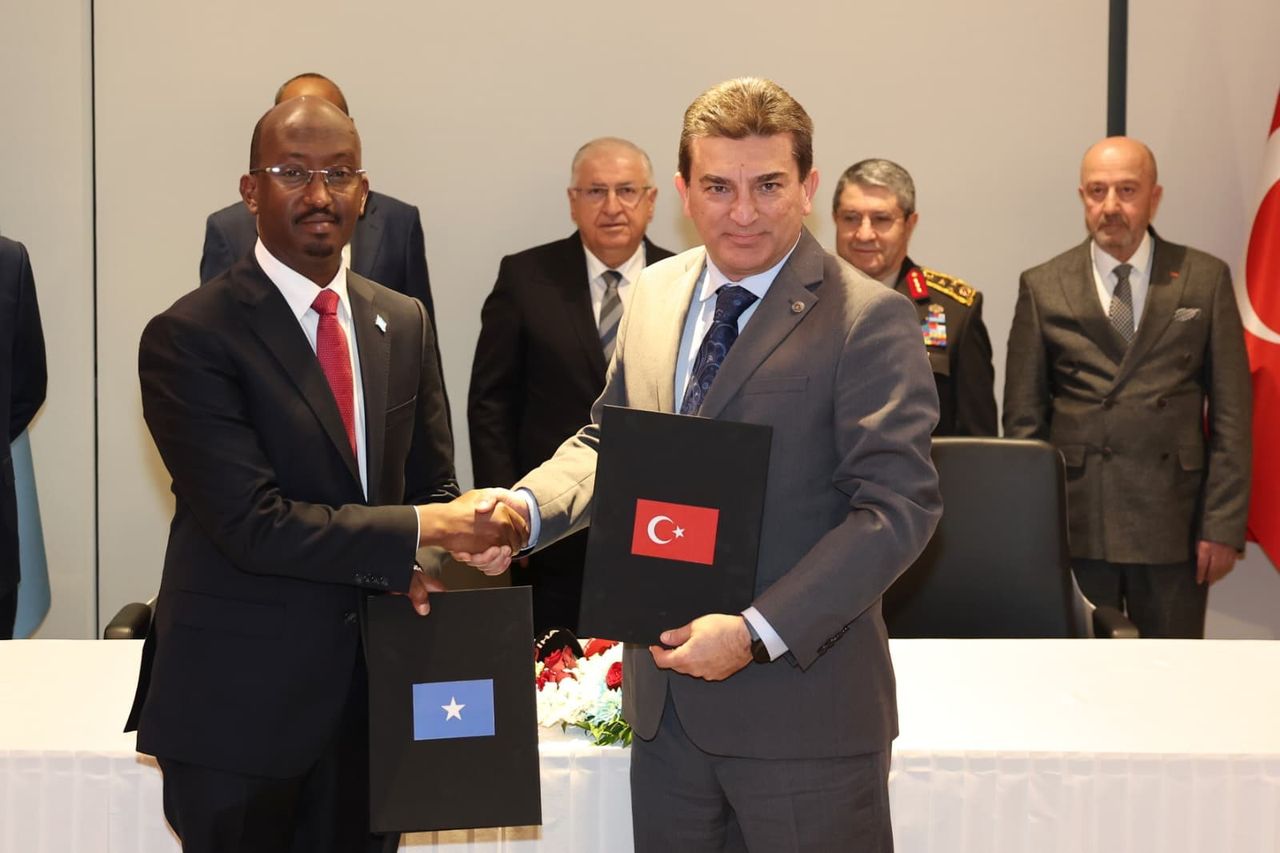
Recent reforms by Somalia’s Ministry of Fisheries and Blue Economy, including bilateral agreements with countries such as Türkiye and China, suggest a growing recognition that stronger governance and better fisheries management are essential to unlocking the sector’s long-term potential.
Beyond fisheries: a national economic strategy
The blue economy should be understood as far more than a fisheries policy. It is, increasingly, a national economic transformation strategy that links sustainable fisheries with industrial development, ports, maritime transport, scientific research, skills development and regional trade.
Somalia has already begun laying part of this foundation through reforms to its maritime legal framework, including the development of a modern Shipping Code and updated fisheries regulations intended to strengthen the country’s capacity as a flag, port and coastal state.
That broader shift in thinking was visible at Somalia’s first National Maritime Conference, held in Mogadishu on 4–5 August 2026. Discussions extended well beyond fisheries to maritime transport, ports, offshore energy, coastal tourism and value-added industries. The emerging consensus was clear: Somalia’s maritime future will be determined not by how much it extracts from the sea, but by how much value it creates from it.
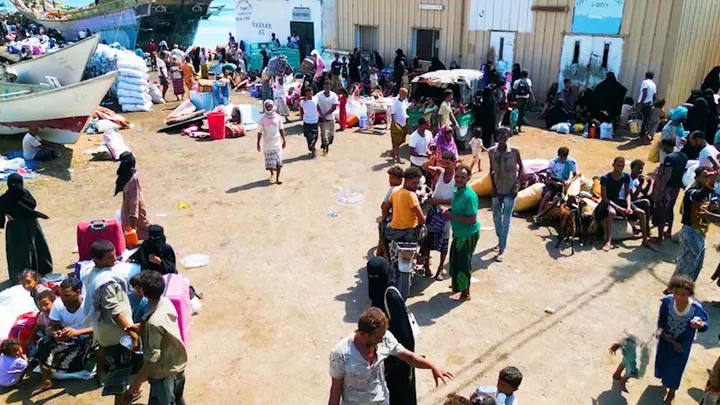





During a recent peer-learning mission in Tanzania that I joined as part of a Somali delegation examining blue economy governance, one lesson stood out. Successful maritime economies are not built by abundant marine resources alone. They are built through institutions that connect fisheries management, ports, research, private investment and trade into a coherent economic system. Maritime wealth is created not only at sea, but through the policies, infrastructure and enterprises that transform natural resources into higher-value products and services.
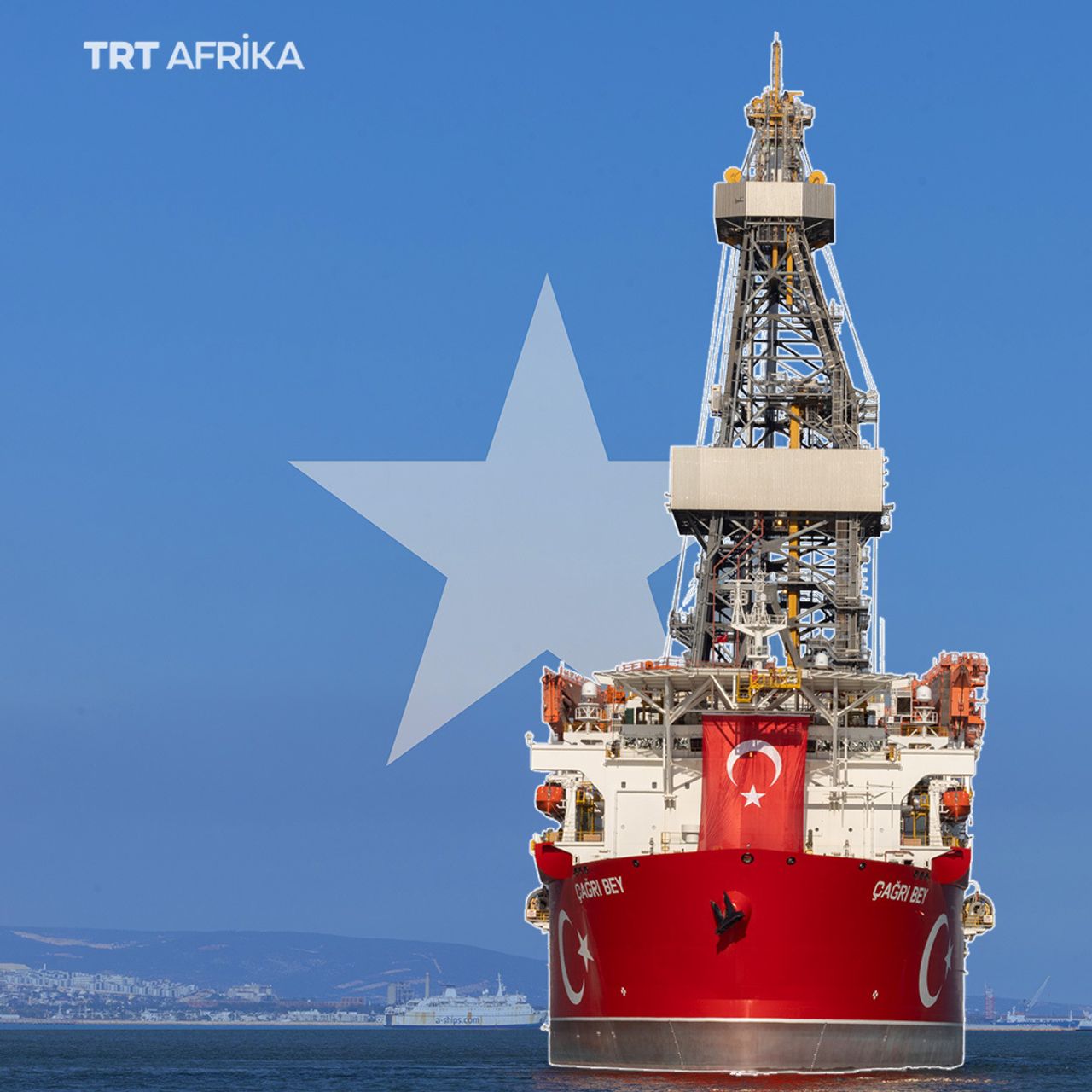
Ports, skills and research matter as much as resources
Equally important is investment in people. Competitive maritime economies are sustained by marine scientists, fisheries inspectors, engineers, port managers, logistics specialists and entrepreneurs. Universities, technical institutes and research centres therefore have a critical role in producing the knowledge and skills needed to support innovation, strengthen governance and improve productivity across the maritime sector.
Strong institutions also provide the regulatory certainty that encourages long-term private investment. Without predictable rules, transparent licensing and effective enforcement, the blue economy will struggle to move beyond small-scale extraction.
Environmental sustainability is not separate from this agenda; it is central to it. Healthy fisheries, resilient coastal ecosystems and effective marine governance are not obstacles to development but the foundations of long-term competitiveness. Degraded marine ecosystems reduce productivity, weaken food security and undermine investor confidence. Protecting mangroves, coral reefs and other coastal ecosystems is therefore an economic investment as much as an environmental responsibility.
The real decision will be made on land
Taken together, these priorities outline a different economic vision—one in which Somalia’s coastline becomes a platform for industrial development, regional trade and sustainable growth rather than simply a source of raw marine exports.
The sea has always shaped Somalia’s geography. The next question is whether it can shape the country’s prosperity. Regional integration, expanding Gulf trade, growing access to Asian markets and renewed international interest in the blue economy have created a rare convergence of opportunity. But this is not simply a fisheries story. It is a question of whether Somalia can build the institutions, infrastructure, skills and industries needed to retain a far greater share of the wealth generated by its own ocean.
If pursued consistently, this strategy could strengthen food security, generate skilled employment, attract private investment, expand exports and diversify national income. It could also reinforce Somalia’s role as a strategic bridge connecting the Horn of Africa with the wider Indian Ocean region.
The question is no longer whether Somalia has the potential to become East Africa’s next maritime powerhouse. The question is whether it has the ambition—and the discipline—to build one.
The author, Mohamed Okash, is the Founding Director of the Institute of Climate and Environment at SIMAD University and a Public Voices Fellow Tackling Poverty, a partnership of Acumen and The OpEd Project. He is also a member of the World Economic Forum’s Global Future Council on Climate and Nature Governance.
Disclaimer: The views expressed by the author do not necessarily reflect the opinions, viewpoints and editorial policies of TRT Afrika.