 Pauline Odhiambo
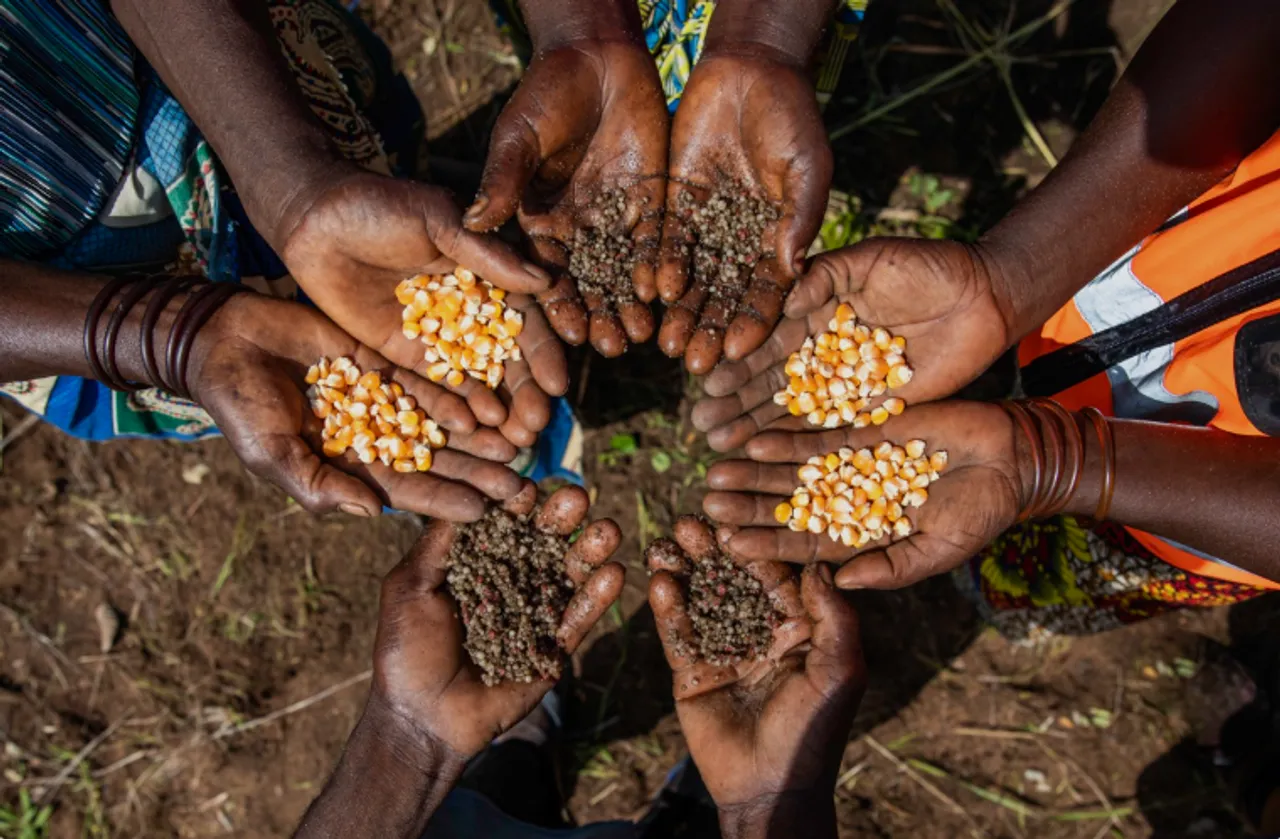
In the highlands of Kenya's North Rift, smallholder farmer Pauline Wanjiru rises before dawn to tend to her maize crop. Like millions across sub-Saharan Africa, Pauline is part of a region projected to contribute a growing share of global agricultural production over the next decade.
A new report from the Food and Agriculture Organisation (FAO) and the Organisation for Economic Co-operation and Development (OECD) forecasts a 9 percent rise in global average agricultural income per worker by 2035, driven by productivity gains.
Pauline had allowed herself to hope for a more prosperous season, a chance to finally invest in better seeds and send her children to a good school.
Yet her hope is fragile.
As the global market for fertiliser and energy faces unprecedented disruption due to international conflicts, Pauline is on the front line. The cost of a 50kg bag of planting fertiliser has doubled to over Sh6,000 in her area.
"The lines at the government depot can be very long, and sometimes you don't get it," she tells TRT Afrika, explaining how this forced to rely on expensive private dealers. This is the reality of the 25 percent probability highlighted in the new OECD-FAO Agricultural Outlook 2026-2035: that despite a positive baseline, farm incomes could actually be lower than today's levels in a decade.
‘Keeping farms alive’
For Pauline, the future is not just a promise of higher yields; it is a daily struggle to afford the basic inputs needed to keep her farm alive.
Meanwhile, 2,000 kilometres south in the fields of Zambia, Dalitso Mwanza, watches the same global trends with a different kind of urgency. The war in the Middle East has effectively closed the Strait of Hormuz, a critical artery for mineral fertilisers destined for Africa. This disruption has driven up prices and sparked fears of shortages that won't just affect a single season but threaten the entire agricultural cycle for 2027-28.
"If supply is cut and prices rise, farmers will likely reduce the area of land they farm. They will only farm what they can afford," says Andrej Polak, the head of finance for Apollo Agriculture, a company serving thousands of smallholders in Kenya and Zambia.
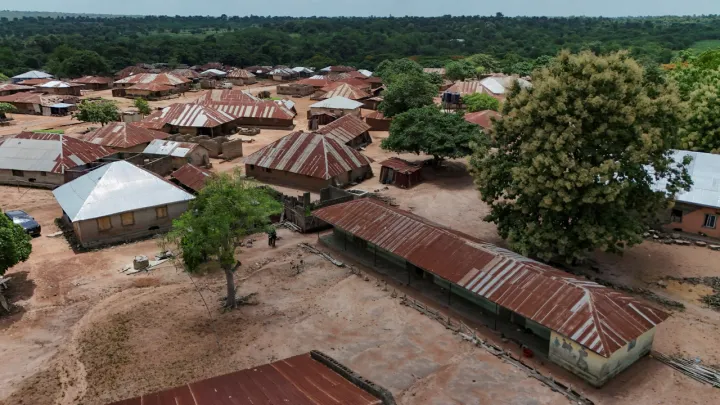





For Dalitso Mwanza whose business involves buying seeds sourced from other commercial growers, this is not just an abstract economic statistic.
The risk of a fertiliser shock, which could cause a 1.7 percent decline in grain production for low-income countries, translates directly to a potential collapse of his business model and the livelihoods of the farmers who depend on it. In the face of this uncertainty, his team is constantly preparing for a reality where resilience is more valuable than growth.
African agriculture
The OECD-FAO report outlines a clear path to resilience, but acknowledges it is not assured. It warns of a "one-in-four chance" that global farm incomes could fall below current levels by 2035, with the decline possibly exceeding 20 percent in low-income nations. The gains, it seems, are at the mercy of forces beyond any farmer's control.
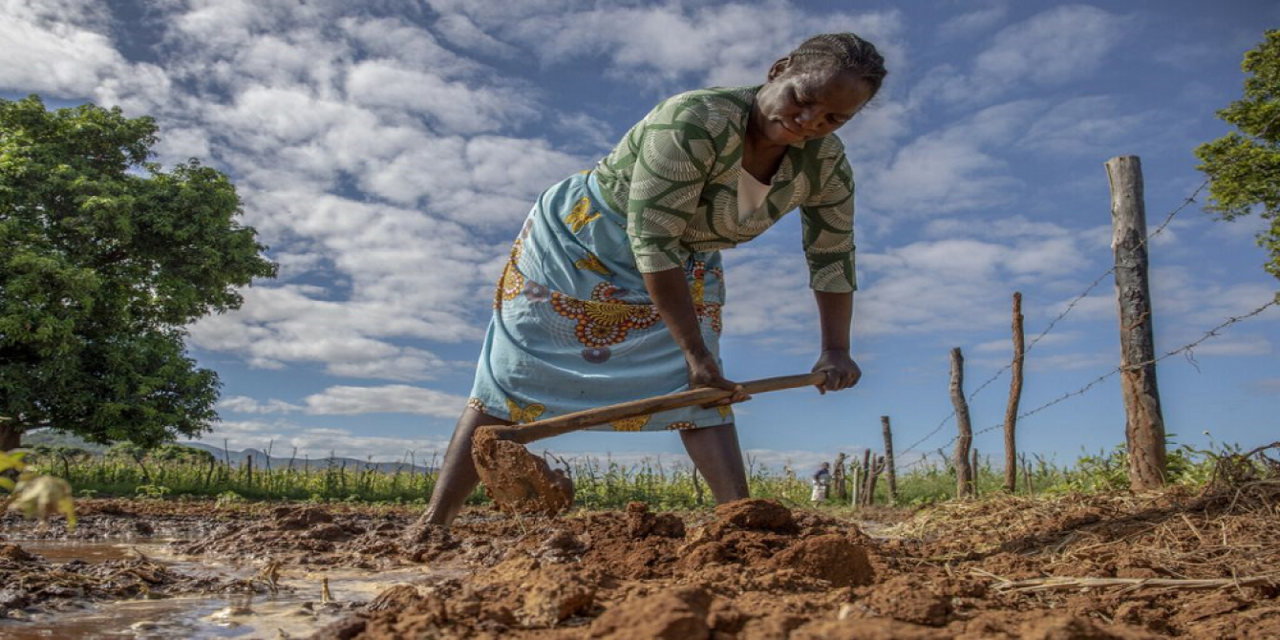
Yet, amid the uncertainty, a spirit of determination endures. Pauline Wanjiru, standing in her field, embodies a resilience that is the bedrock of African agriculture.
"I will not be defeated by this crisis," she says, her gaze fixed on the horizon, not with despair, but with the quiet resolve of a farmer who understands that the true harvest lies in her ability to weather the storm.
"If we are to survive," she asserts, "we must find a way to make every shilling count and pray for a good harvest, despite everything."