 Sylvia Chebet
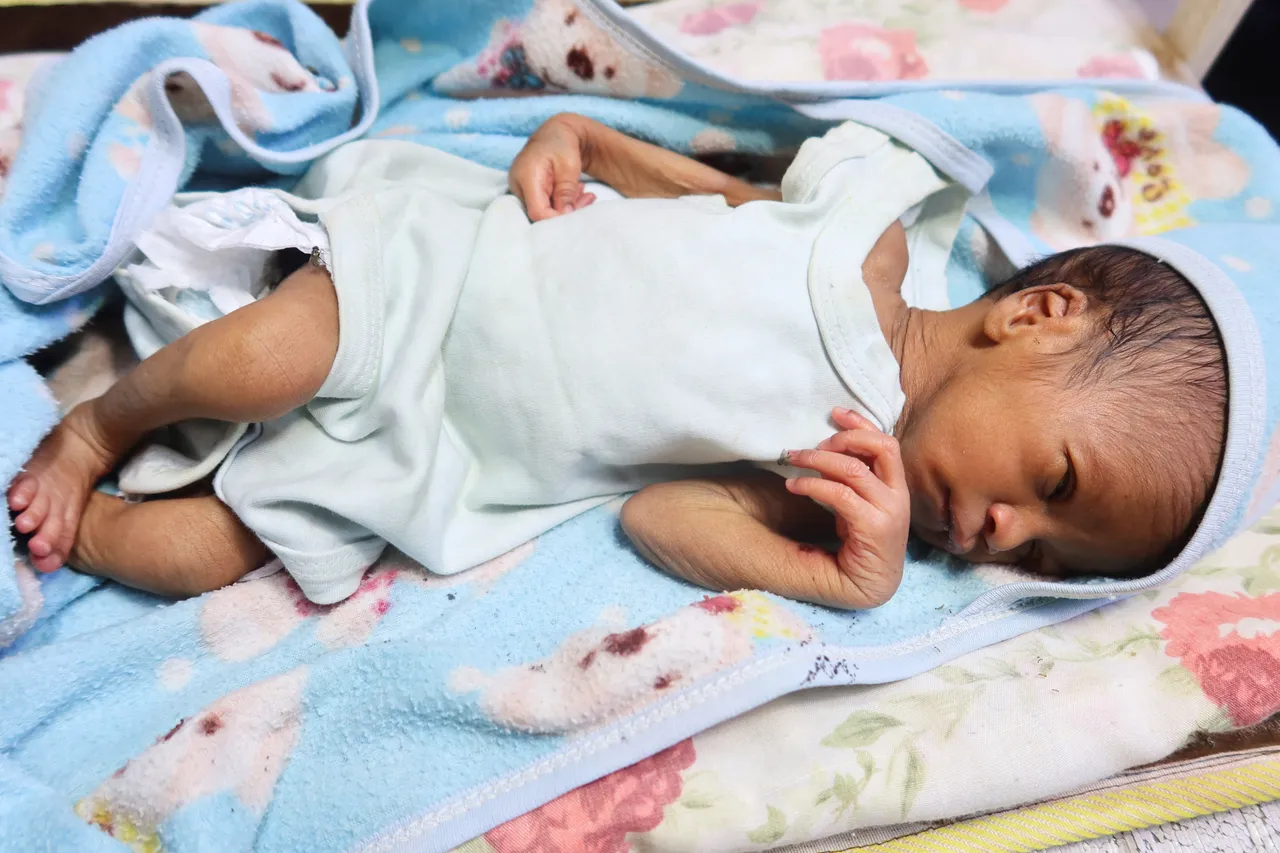
For millions of babies born across Africa, the fight against hepatitis begins before they have even left the delivery room.
Ethiopia launched a nationwide campaign launched in 2025 to ensure that newborns receive a life-saving hepatitis B vaccine within the first 24 hours of life, a critical window that can prevent infection from becoming a lifelong disease.
The stakes are enormous. Global evidence shows that up to 90% of infants infected with hepatitis B at birth develop chronic infection, placing them at high risk of cirrhosis and liver cancer.
Ethiopia’s rollout, launched with support from the World Health Organization, Gavi and UNICEF, targets about 3.8 million newborns each year and seeks to achieve at least 80% national coverage.
“What makes hepatitis B so dangerous is that up to 90% of infants infected at birth may develop lifelong disease,” Ethiopia’s State Minister of Health, Dr Dereje Duguma notes. “The birth-dose vaccine is key to preventing this public health challenge.”
The initiative is being treated as a major milestone in the country’s child-health strategy, with health workers trained across all regions to ensure vaccine delivery, cold-chain management and accurate reporting.
The urgency extends far beyond Ethiopia.
‘Let’s break it down’
On World Hepatitis Day, marked on 28 July under the theme “Hepatitis: Let’s break it down,” WHO Regional Director for Africa Dr Mohamed Janabi warned that millions of people across the continent still lack timely diagnosis, treatment and care, even though the disease is preventable and, in many cases, treatable.
“No one should die from a disease that can be prevented, diagnosed and, in many cases, treated,” Janabi said.
Health experts describe Hepatitis as an inflammation of the liver. The condition can be self-limiting or can progress to fibrosis (scarring), cirrhosis or liver cancer.
While Hepatitis viruses are the most common causes, other infections, toxic substances (e.g., alcohol, certain drugs), and autoimmune diseases can also cause hepatitis.
There are five main hepatitis viruses, referred to as types A, B, C, D and E. Doctors say types B and C lead to chronic disease in hundreds of millions of people and, together, are the most common cause of liver cirrhosis and cancer.
Hepatitis A and E are typically caused by the ingestion of contaminated food or water. Hepatitis B, C, and D usually occur as a result of contact with infected body fluids. Transmission can occur during a blood transfusion or medical procedure using contaminated equipment, from mother to baby at birth, or through sexual contact.
The WHO African Region accounts for 63 per cent of new hepatitis B infections, with more than 70 million people living with chronic hepatitis B or C.



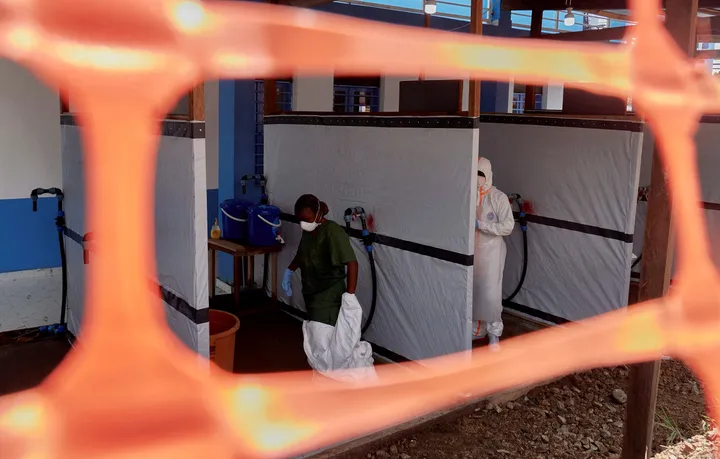




Janabi however noted that new hepatitis B infections in the region had fallen by 25% between 2015 and 2024, but stressed that progress remains uneven and far too many people are still being diagnosed only after serious liver damage has developed.
According to data from WHO, fewer than 10% of those infected are diagnosed or receive treatment.
Not a scientific challenge
“We already have the tools to eliminate viral hepatitis as a public health threat,” Janabi said. “This is no longer a scientific challenge. It lies in mobilising political will, securing investment, and ensuring equitable delivery so that everyone can benefit from these proven interventions.”
WHO says the hepatitis B vaccine provides up to 95% protection against infection, while reliable diagnostics, curative treatment for hepatitis C and long-term treatment for hepatitis B can prevent liver failure and cancer.
Nigeria faces a particularly severe challenge.
With an estimated 325,000 new infections recorded in 2022, the country has one of the world’s highest hepatitis burdens.
Hepatitis imposes a devastating economic burden on the country, costing Nigeria between $9 billion and $13 billion annually in direct and indirect losses.
Nigeria has now integrated hepatitis services into primary healthcare, aiming to reduce treatment costs, expand screening and strengthen local pharmaceutical production.
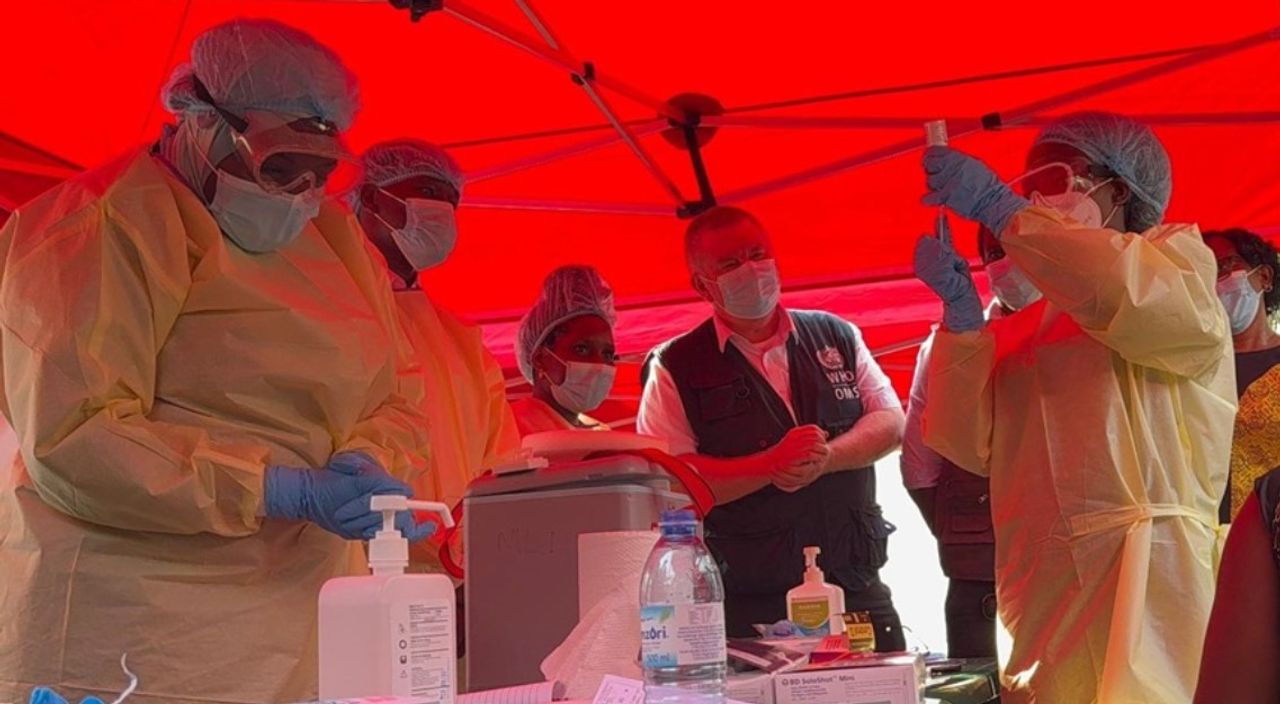
“Bringing these services closer to people through stronger primary healthcare systems will save lives, reduce the long-term burden on health services, and move countries closer to universal health coverage,” the head of WHO Africa region emphasizes.
He wants governments to expand vaccination, testing and treatment, integrate hepatitis services into routine healthcare throughout life, and tackle stigma and misinformation that discourage people from seeking care.
Africa’s hepatitis response is increasingly focused on a simple idea: prevent infection early, find cases sooner and treat people before liver disease takes hold.
For the newborn receiving a vaccine in the first 24 hours of life, that strategy could mean something even more profound — a future free from a disease that has silently claimed millions of lives.