Nigeria will seek stronger international financial support at this week's IMF-World Bank Spring Meetings as the Iran war lifts fuel costs at home and complicates reforms, its finance minister said on Monday.
Surging crude prices had some clear benefits for Africa's top oil producer, boosting foreign exchange earnings, Wale Edun said in a statement ahead of this week's meetings in Washington.
"But the shock comes at a critical transition point, intensifying inflationary pressures and raising living costs for households," he added.
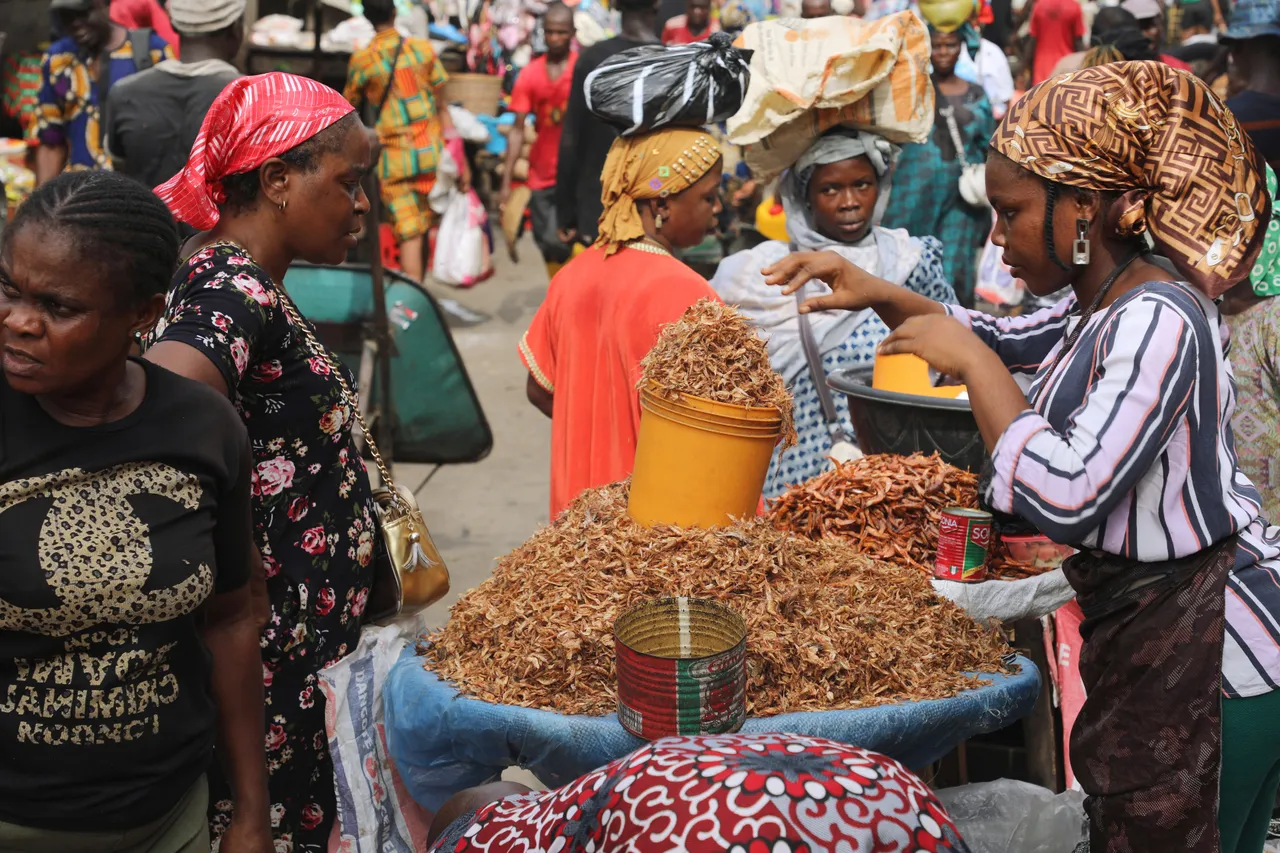
Petrol prices have surged more than 50% in Nigeria to 1,330 naira ($0.9788) per litre - and diesel more than 70% to 1,550 naira a litre - since the start of the conflict, hurting people and businesses, Edun said.
The jolting change threatened to derail reforms launched in 2023 to stabilise the economy and revive growth.
Fairer conditions
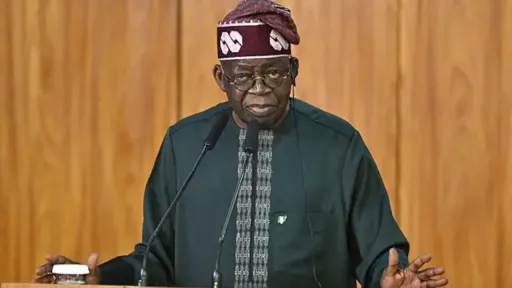
President Bola Tinubu has rolled out Nigeria's most ambitious economic overhaul in decades by ending costly fuel and energy subsidies, devaluing the currency and changing the tax system.




At this week's meetings, Edun, who chairs the G24 group of developing countries, said he planned to push for lower borrowing costs, fairer global financial conditions and more support for countries pursuing reforms.
Nigeria's benchmark Bonny Light crude grade climbed from about $70–$73 a barrel before the conflict to current levels above $120, the government said.
Inflation eased sharply to 15.06% in February from around 33% in December 2024, but remains high compared with regional peers and has come under renewed pressure since the conflict began, the World Bank said last week.
More borrowings
Edun said the government would focus on attracting private investment, creating jobs and sustaining growth, while shielding vulnerable households from rising prices.
This comes as the West African country, one of the largest economies in Africa, is set to borrow at least $6 billion from foreign financial institutions to tackle economic and infrastructural challenges.
The two chambers of the legislature, the National Assembly, approved President Bola Tinubu’s requests for the foreign loans during separate sittings on Tuesday, 31 March.
Local media reported that, in his letters, President Tinubu sought approval to borrow $5 billion from First Abu Dhabi Bank and an additional $1 billion from the United Kingdom Export Finance (UKEF).
The Nigerian government says much of the money will be used to support the country’s $49.4 billion 2026 budget, which was also approved by the legislators, while parts of the loans will be channelled towards rehabilitation of two major ports located in Lagos.