South Africa has doubled the volume of fuel it imports from the United States, even as relations between the two nations remain tense.
The surge in US-sourced oil comes amid the Middle East conflict, which has severely disrupted oil shipping through the Strait of Hormuz, which is shared by both Iran and Oman.
Before the US and Israel launched a joint war on Iran on February 28, 2026, South Africa imported a majority of its petrol, diesel, and jet fuel from the Gulf nations, including the United Arab Emirates, Saudi Arabia, Oman, and Bahrain.
However, due to the Strait of Hormuz disruption and oil prices rising sharply internationally, South Africa turned to the US to fill the supply void.
More US-sourced fuel to arrive in South Africa
Bloomberg reports that in April alone, at least 165,000 tonnes of refined fuel from the US were received in Durban, representing double the amount of crude and refined fuel that South Africa imported from the US in January 2026.
The oil shipment, containing petrol, diesel, and jet fuel, was transported by at least four tankers.
Bloomberg reports that another tanker from the US arrived in Durban last week, with three more America-flagged ships scheduled to dock before the end of April.
This consignment would significantly push up South Africa's supply of fuel sourced from the US. Nearly 80% of South Africa's imported oil lands in Durban.
South Africa seeks alternative oil sources
Transporting oil from the US to South Africa via the Atlantic Ocean takes slightly over one month, a waiting period that Pretoria deems to be manageable under the current circumstances.






Pretoria, however, says it plans to expand its oil sources beyond the US, although imports covering the May to June period have already been procured.
Ideally, oil sourced from the Gulf is cheaper, but the situation there remains volatile.
In response to the heightened oil prices globally, South Africa increased the domestic prices of fuel, especially diesel. As a result, inflation is also projected to increase.
Strained relations
Oil-trade experts state that even if the Middle East tensions ease in the near term, it would take several months for the international oil market to return to normalcy.
Until recently, the US was not among South Africa's main sources of fuel. But circumstances have prompted Pretoria to look that direction, even though the two countries currently have strained relations.
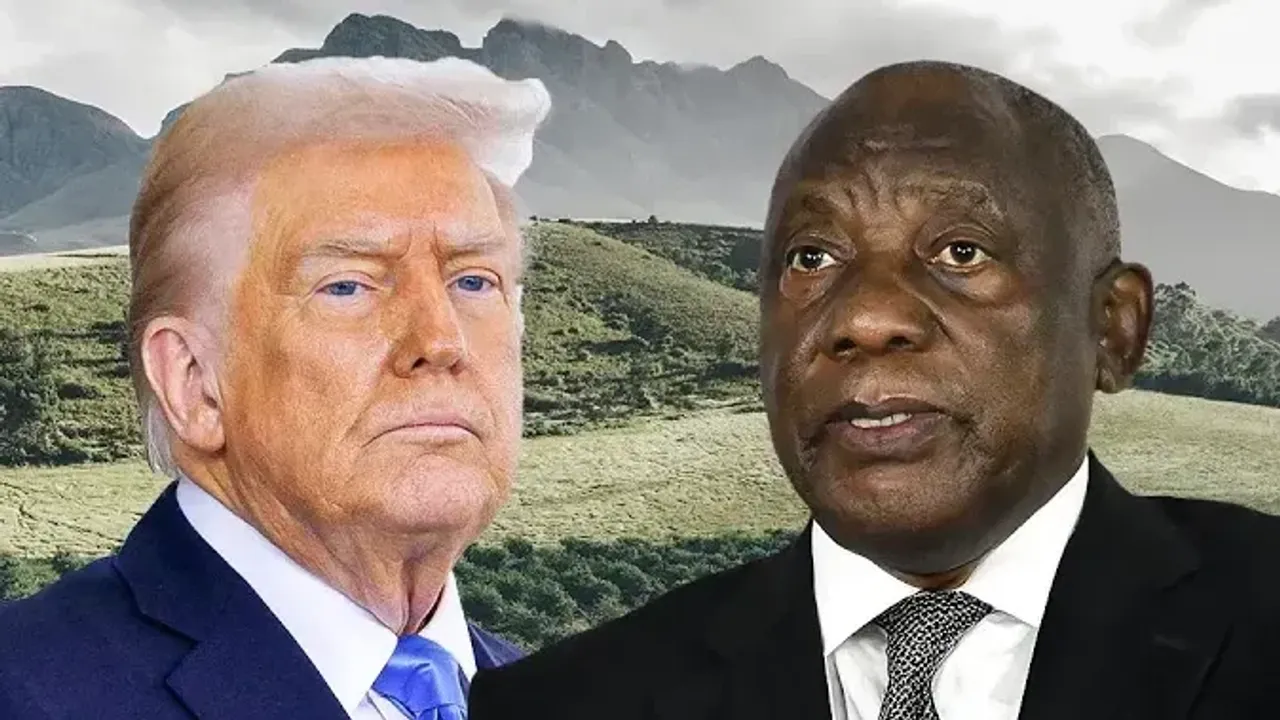
Shortly after coming to office in 2025, US President Donald Trump alleged that the South African government was mistreating white South Africans through what he described as unfavourable land and labour laws. Pretoria, however, rejected those claims.
President Trump then imposed a 30% import tariff on South African goods destined for the American market. President Cyril Ramaphosa's efforts to improve relations with Washington have yielded little success.
US is a major export market for South African goods
After China and Germany, the US is South Africa's third-leading export market, with Pretoria sending motor vehicles, precious metals, and mineral products to America.
According to the United Nations' data, the value of South African exports to the US in 2025 was approximately $8.8 billion.