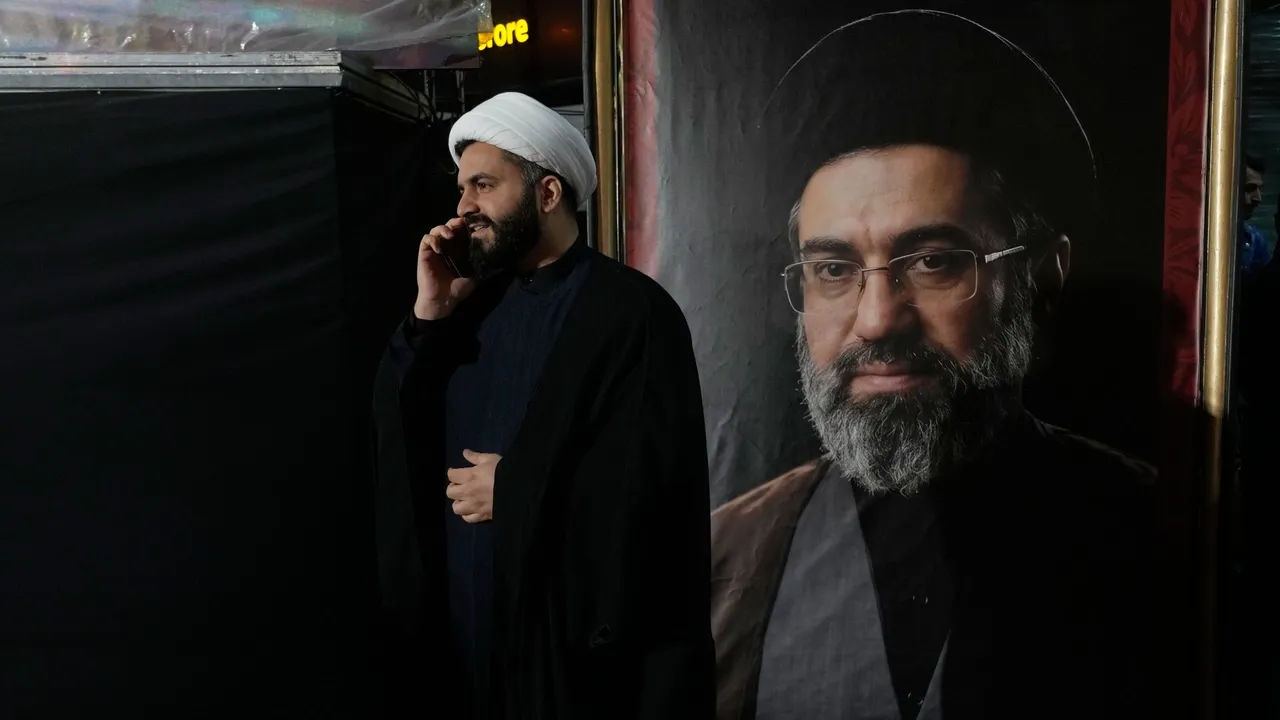
Iran on Tuesday revealed details of its latest proposal submitted to the United States to end the war launched by Washington and Israel against Tehran in February.
The details were disclosed by Iranian Deputy Foreign Minister Kazem Gharibabadi during a meeting with members of parliament’s National Security and Foreign Policy Committee, where he presented a comprehensive report on the latest developments in diplomacy between Iran and the US.
Gharibabadi stated that Tehran's proposal emphasises "its right to uranium enrichment and peaceful nuclear activities," according to Iran's official IRNA news agency.
The proposal also includes “an end to conflicts across all fronts, including Lebanon; the lifting of the US naval blockade; the release of Iranian assets; and compensation by the United States for damage caused during the latest war to support reconstruction efforts.”
It also affirms “the removal of all unilateral sanctions and UN Security Council resolutions, and the withdrawal of US forces from areas surrounding the Islamic Republic,” he said.
On May 10, Iran delivered its response to a US proposal to end the war through Pakistan, but President Donald Trump described the Iranian proposal as “totally unacceptable.”


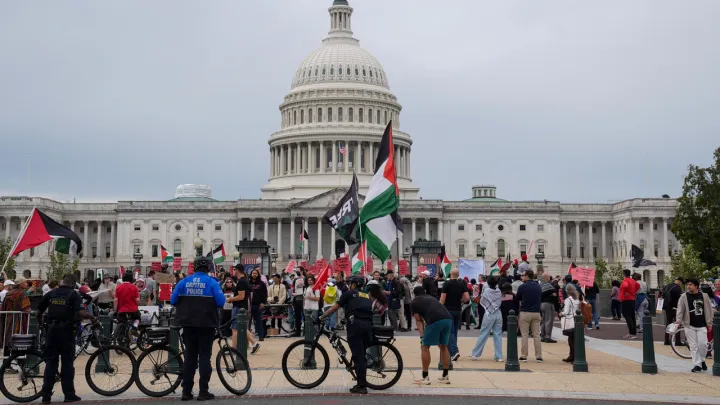





Iranian media said on Monday that Iran had submitted a revised 14-point proposal to the US side through Pakistani mediators.
On Saturday, Trump again threatened renewed military escalation against Iran, posting on his Truth Social platform an image showing warships flying the American flag, including one vessel carrying the Iranian flag, alongside the phrase “IT WAS CALM BEFORE THE STORM.”
On Monday evening, Trump announced that he had postponed an attack planned for Tuesday against Iran at the request of Saudi Arabia, Qatar, and the United Arab Emirates.
He added in a post that he instructed the Defense Department “to be prepared to go forward with a full, large-scale assault of Iran, on a moment’s notice, in the event that an acceptable Deal is not reached.”
Following stalled negotiations mediated by Pakistan, the US has imposed a blockade on Iranian ports since April 13, including those located along the strategic Strait of Hormuz.
Iran responded by closing the strait and requiring ships to coordinate passage with Tehran amid fears that the fragile ceasefire in place since April 8 could collapse if no agreement is reached to end the war.