 Sylvia Chebet
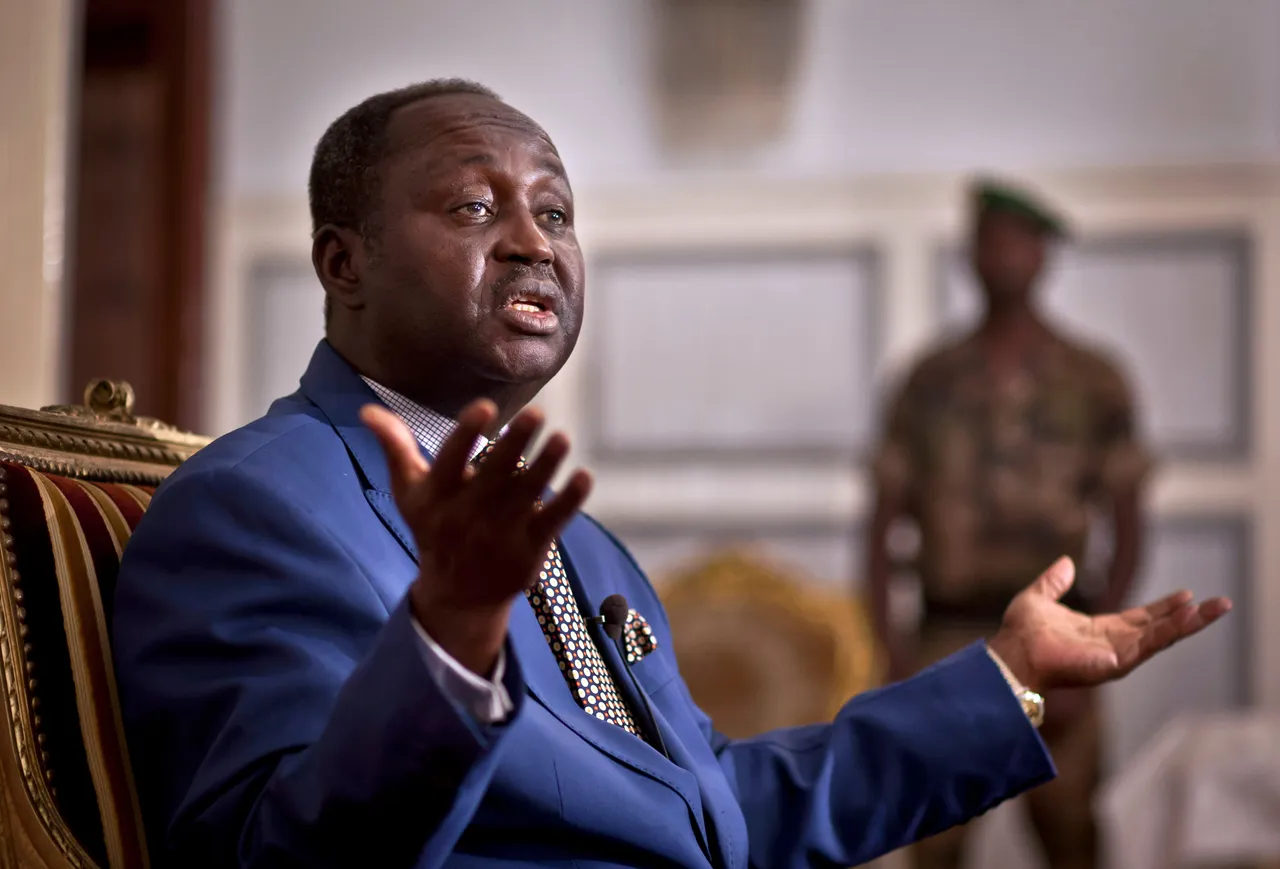
The trial of former Central African Republic (CAR) President François Bozizé opened on 16 June 2026 in Bangui, amid expectations that it could become one of the country's most consequential accountability processes.
Yet even before testimony begins, a fundamental question hangs over the proceedings: can justice be achieved when the main accused is in exile?
The UN-backed Special Criminal Court (SCC) has begun hearing a case that accuses Bozize of bearing ultimate responsibility for crimes against humanity allegedly committed between 2009 and 2013.
Prosecutors argue that members of the Presidential Guard under his command engaged in a systematic campaign of murder, torture, rape and enforced disappearances against people perceived to be enemies of the state.
For victims and survivors, the trial represents a rare opportunity to confront a painful chapter in the country's history. For legal scholars and human rights advocates, however, it also exposes a dilemma at the heart of international justice: the tension between the pursuit of accountability and the legitimacy of the process itself.
The shadow of Bossembélé
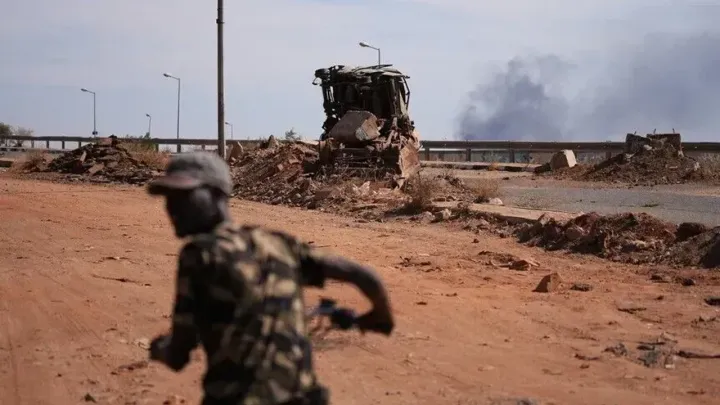
At the centre of the case is Bossembélé, a town about 150 kilometres northwest of Bangui that prosecutors describe as the epicentre of state-sponsored terror during Bozize's rule.
Investigators allege that civilians were unlawfully detained, tortured and subjected to severe abuse at a local prison and an adjacent military training facility. Prosecutors contend that the violence was neither isolated nor spontaneous, but formed part of a deliberate strategy to silence dissent and intimidate communities.
Three former senior military officers linked to the alleged abuses — Eugène Barret Ngaïkosset, Vianney Semndiro and Firmin Junior Danboy — remain in detention and are expected to face proceedings before the court.
Bozize, now 79, has lived in exile in Guinea-Bissau since March 2023 after earlier spending time in neighbouring Chad.

A country haunted by conflict
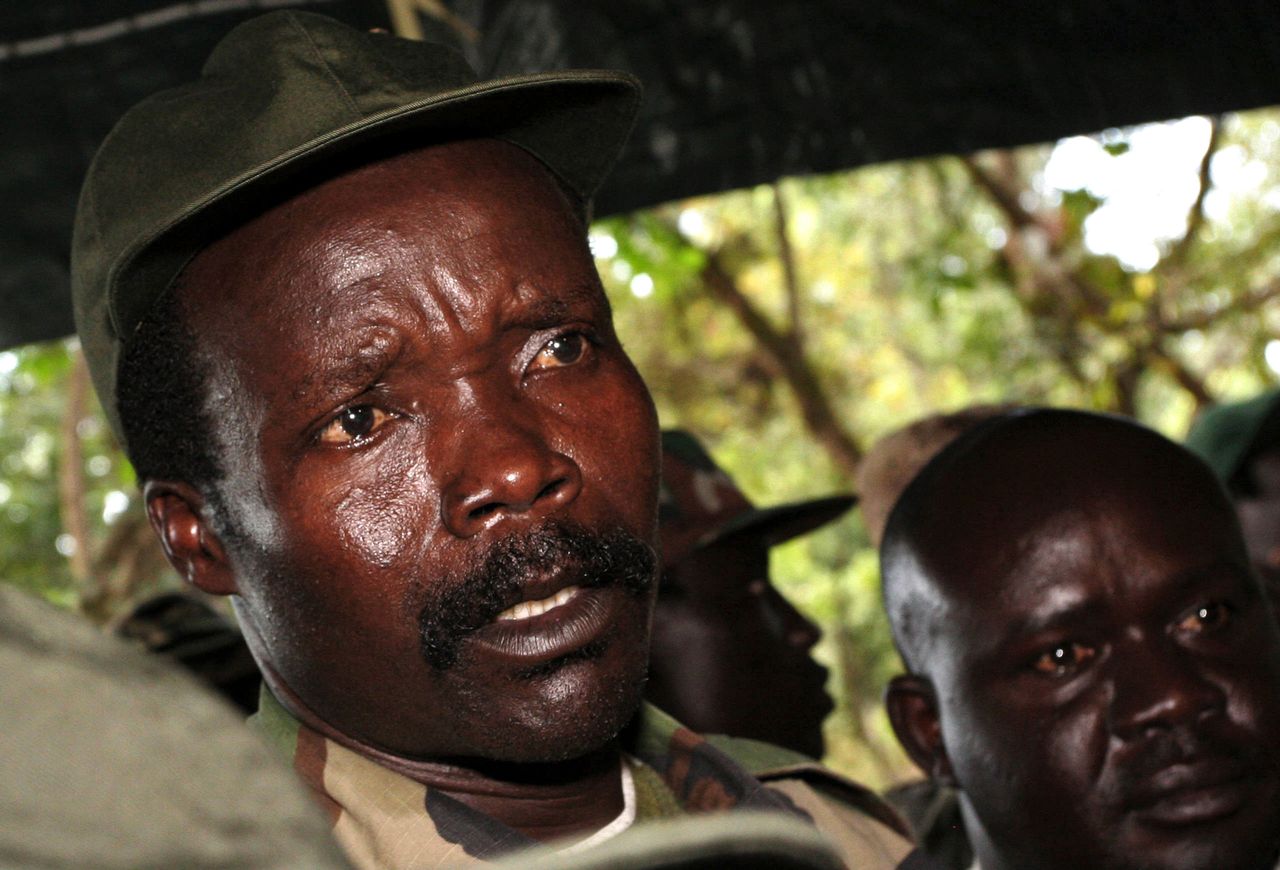
The case unfolds against the backdrop of decades of instability in CAR.
Bozize came to power through a coup in 2003 before being overthrown ten years later by the predominantly Seleka rebel coalition.
Bozize's 2013 overthrow by a coalition of mostly rebels, the Seleka, triggered civil war in the Central African Republic.
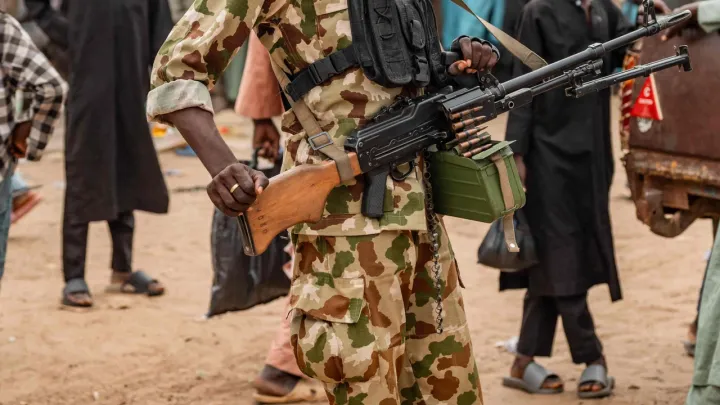
In a bid to reclaim power, Bozizé allegedly orchestrated the formation of the anti-Balaka militias that engaged in catastrophic retaliatory violence against the Séléka.
At the end of 2020 Bozize took over a new rebel alliance, the Coalition of Patriots for Change, which threatened the power of President Faustin-Archange Touadera before being pushed back by the government.
The United Nations has documented war crimes and crimes against humanity committed by all sides during the conflict, which left thousands dead and displaced hundreds of thousands more.
The legitimacy question
Yet the trial's significance is overshadowed by a major legal complication: Bozize is not present.
An international arrest warrant was issued against the former president in February 2024, but he remains outside the court's reach.
The SCC's legal framework allows trials in absentia, enabling judges to hear evidence and issue a verdict even when an accused person refuses or fails to appear. However, that provision remains controversial in international criminal law.
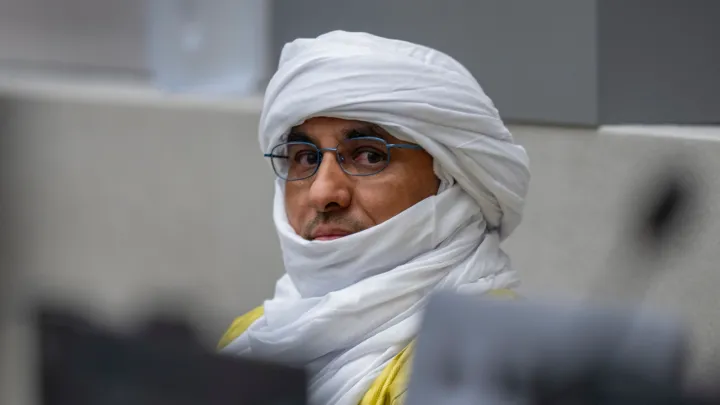
According to international law scholar Owiso Owiso, trials conducted in the absence of the accused fall short of internationally recognised fair trial standards.



"In absentia trials certainly do not meet the requirements of a fair hearing or trial as understood in international law," he says.
Owiso argues that the accused is deprived of the opportunity to challenge evidence through examination and cross-examination, while victims and survivors are denied the chance to directly confront the person accused of causing their suffering.
For crimes as serious as crimes against humanity, he says, those shortcomings raise difficult questions about whether the process can ever be regarded as fully legitimate.
Justice or symbolism?
The legal debate has profound implications for victims.
Many survivors have waited years, and in some cases decades, for acknowledgment of the abuses they endured. The SCC offers an official platform for their stories to be heard and recorded.
Yet critics question whether a verdict reached without the accused can provide meaningful closure.
Owiso argues that a process lacking the full guarantees of a fair trial risks becoming largely symbolic.
"A trial that is not conducted in accordance with all the requirements of a fair hearing cannot possibly provide any reasonable form of recognition and healing to victims and survivors," he says.
"At most, it is only politically symbolic, but in a narrow, questionable and unsatisfactory sense."
For survivors of Bossembélé, the distinction matters. Recognition, accountability and healing are often closely linked. While an official judgment could validate their experiences, some may still feel deprived of a complete reckoning if the alleged architect of the abuses never appears before the court.
The cost of accountability
The practical value of the trial is also under scrutiny.
Should Bozize eventually return to CAR or be extradited, legal experts note that he could be entitled to a new trial in which he is physically present. That possibility raises questions about whether scarce judicial resources are being invested in a process that may ultimately have to be repeated.
Owiso points to the experience of the Special Tribunal for Lebanon, which spent close to $1 billion conducting in absentia proceedings that would need to be revisited if convicted individuals were ever apprehended.

A milestone with unanswered questions
Despite the controversy, the SCC trial remains a landmark moment for the Central African Republic.
It reflects a determination to confront some of the darkest chapters of the country's past and signals that even former heads of state are not beyond scrutiny.
Whether the proceedings ultimately deliver justice, however, remains an open question.
For survivors of Bossembélé, the trial offers long-awaited recognition of their suffering. But recognition is not always the same as justice.
As judges begin hearing evidence in Bangui, the case against Francois Bozize is becoming more than a prosecution of a former president. It is a test of whether accountability can be meaningful when legitimacy itself is under debate — and whether victims can find closure in a courtroom where the accused never appears.