 Sare Şanlı
AI infrastructure, the electric vehicle boom, and a defence sector with no ceiling on its appetite all run on the same thing: reliable, round-the-clock power. Together, they are driving a new global search for secure energy sources.
After the Fukushima disaster, much of the world kept its distance from nuclear power for years. But when the Russia-Ukraine war broke out in 2022, Europe was forced to confront the heavy cost of energy dependence.
Today, concerns over energy security, carbon-neutral targets, and the relentless power hunger of data centres processing billions of transactions every day are pushing many countries back towards nuclear.
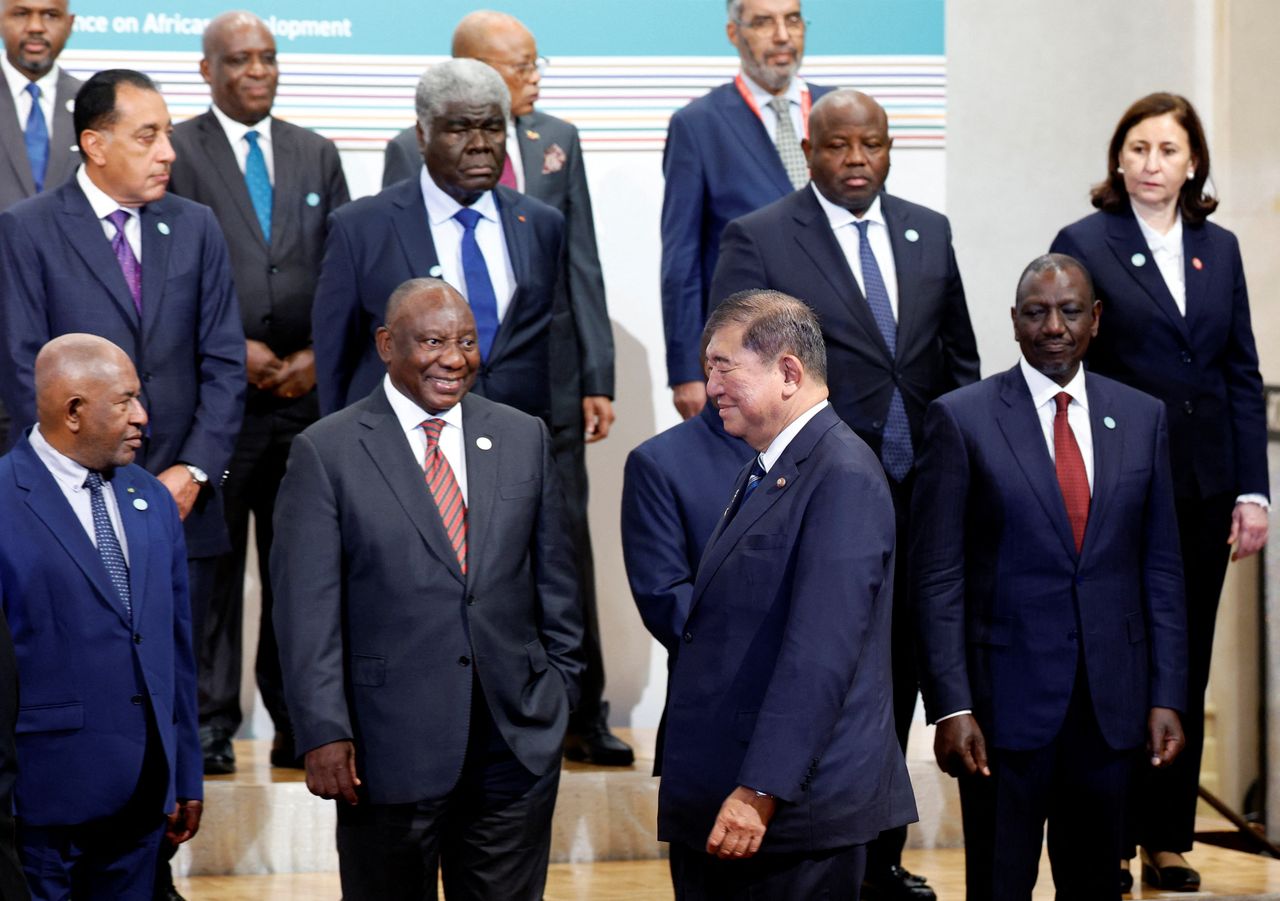
Just one kilogramme of uranium is equivalent to roughly 3,000 tonnes of coal or 2.1 million litres of crude oil, an extraordinary level of efficiency. As carbon targets grow more urgent and supply security more fragile, global attention is once again converging on one resource: uranium.
Uranium demand is expected to double by 2040. That reality places Africa's reserves at the very centre of global geopolitics.
From Shinkolobwe to Hiroshima
African uranium is not a new discovery for the global system. But the continent's wealth was not previously used to serve humanity or to light up Africa's own cities. Instead, it was turned into the raw material of destruction.
The uranium extracted from the Shinkolobwe mine in Congo — by workers labouring in inhumane conditions and without any safety measures — was the core of the atomic bombs dropped on Hiroshima and Nagasaki. Africa's wealth was turned into a weapon in someone else's war.
A more recent version of the same logic played out in Niger. Discovered in 1957, Niger's uranium was shipped out for nearly half a century by French companies, helping to light the streets of Paris. France's ceremonies, nuclear plants, and prosperity all rest on what lay beneath Niger's soil.
Yet many of the people whose land those mines sit on continue to live without electricity. After the military coup of 2023, Niger's authorities pushed back, cancelling French companies' privileges and breaking the old extractive arrangement.
But the Cominak mine, operated by Orano for 47 years, left behind depleted reserves and nearly 20 million tonnes of radioactive waste. That waste has irreversibly contaminated water sources and soil in areas where hundreds of thousands of people live. The people of Niger continue to pay for both the past and the present.
France, now shifting towards Kazakhstan and Uzbekistan, has also quietly repositioned its Africa strategy securing vast uranium exploration licences in Botswana while accelerating investments in Namibia and Malawi.
Western media and companies, meanwhile, are effectively imposing an embargo on Nigerien uranium under the cover of security concerns and sanctions. At a time when the world needs energy more than ever, Niger's uranium sits stranded.
Niger's authorities are holding closed-door negotiations with China and Russia's Rosatom, searching for markets where they can sell on their own terms.
Namibia's strategy of multilateralism
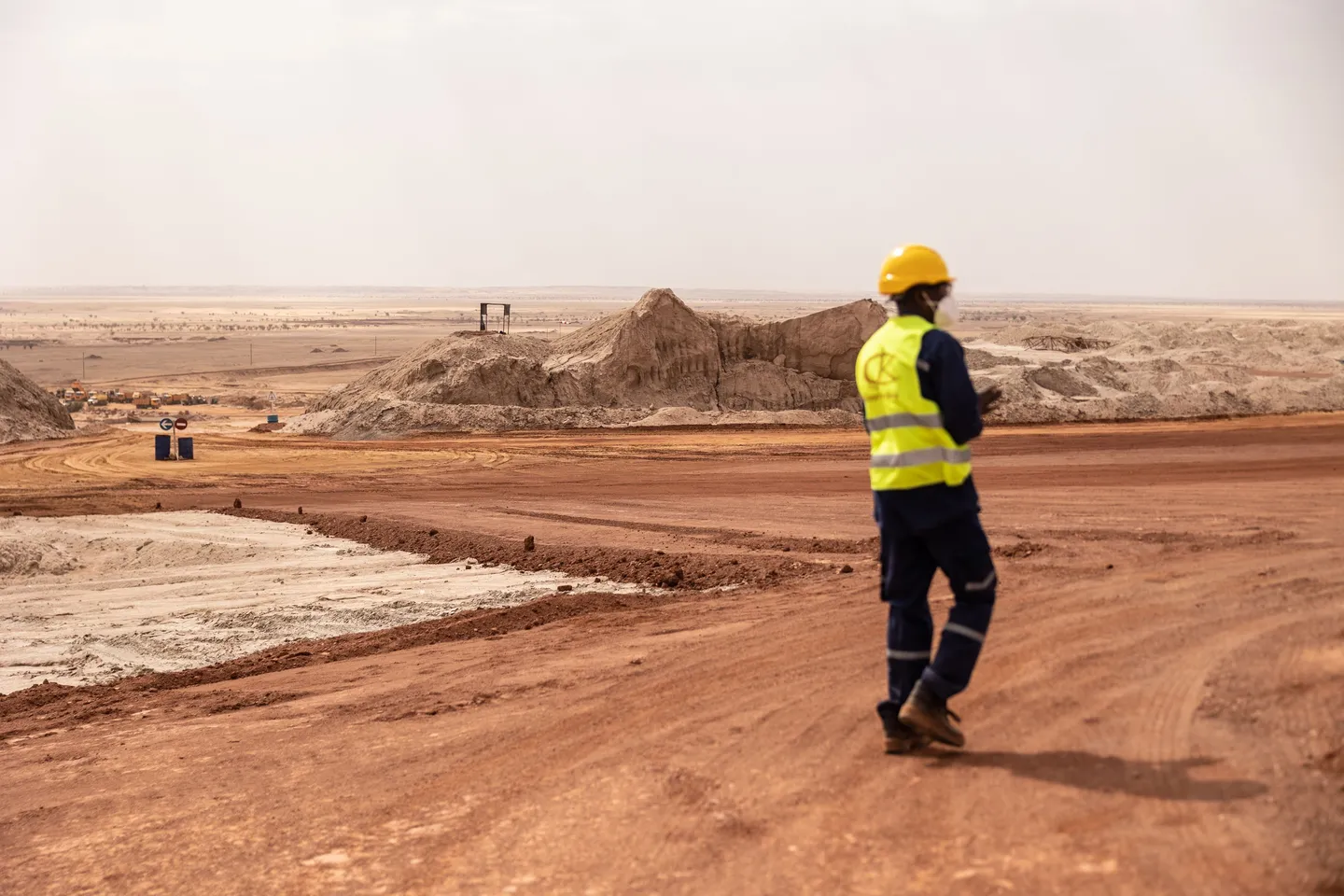
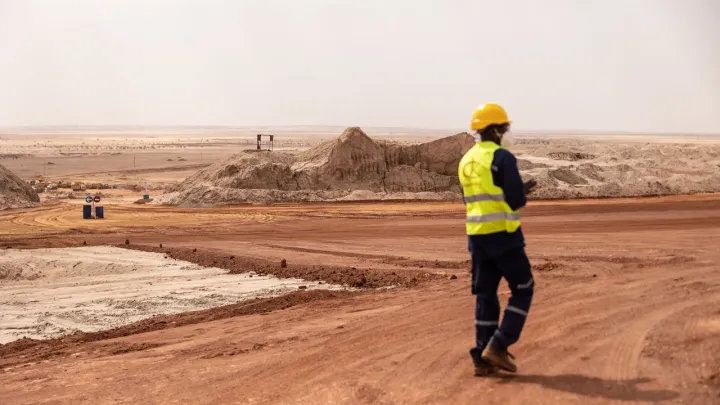
Further south, Namibia emerges as another key player. It ranks third in global uranium production after Kazakhstan and Canada, producing around 6,000 tonnes of uranium oxide annually through its Rossing and Husab mines, nearly 10 percent of global supply.
Chinese state-owned companies such as CGN and CNUC have a strong presence in Namibia, but this is not a story of total dependency. China's engagement, like that of others before it, has drawn criticism for prioritising resource access over technology transfer and local employment.

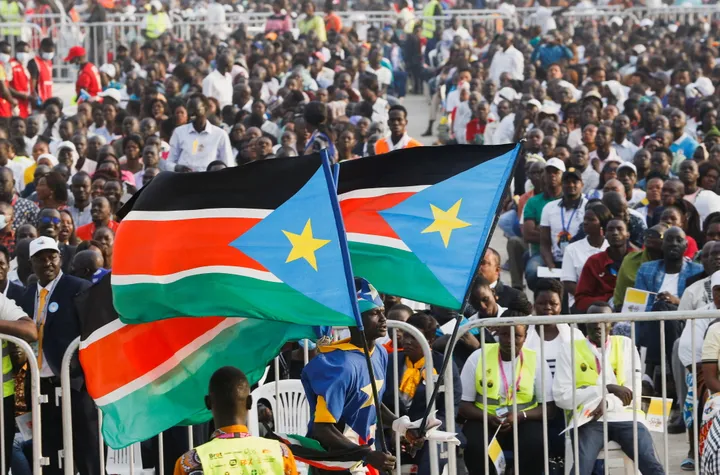
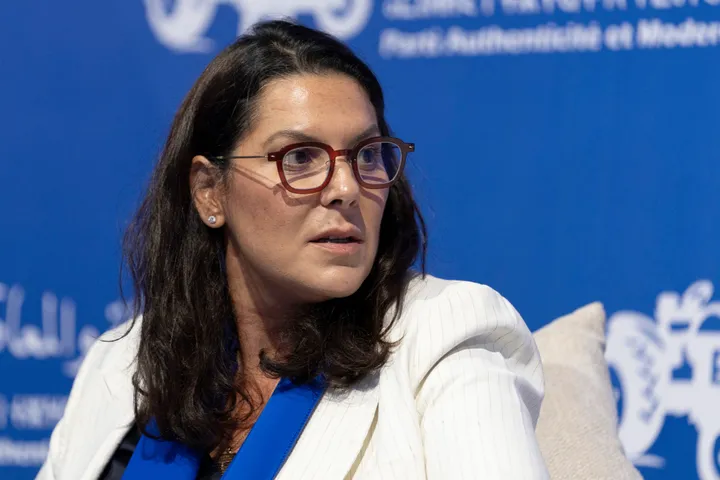


Learning from its colonial past, Namibia is pursuing a more deliberate strategy. It is discussing nuclear exploration with Russia while signing a strategic raw materials partnership with the EU.
It is exploring cooperation with India while entering the critical minerals radar of the United States. Namibia is expanding its room for manoeuvre by keeping all its options open.
Koeberg’s shadow
South Africa illustrates a different dimension of the uranium debate. There, uranium is generally extracted as a by-product of gold mining. The country hosts Koeberg, the continent's only active nuclear power plant, and during the apartheid era even developed the capacity to produce nuclear weapons before later dismantling that programme.
Today, South Africa is struggling with chronic power cuts under its national electricity company, Eskom. To close its energy gap, Pretoria is pursuing new nuclear partnerships with Russia and China.
Africa's deeper dilemma lies in the gap between owning resources and being able to process them. Uranium cannot become nuclear fuel in its raw form, it must be enriched, a process requiring highly advanced technology.
While China's CNNC controls an estimated 17% of the world's enrichment capacity, with France's Orano holding roughly 12%, it is Russia's Rosatom that has the lion's share of approximately 40%.
When Rosatom enters a country, it does not simply buy raw materials. It offers to build nuclear facilities, provides financing, and ties fuel supply, maintenance, and technology entirely to itself. African countries seeking to escape Western dependency risk stepping into a different kind of dependency one that is harder to see coming.
The next scramble
In the short term, rising uranium demand can be met from existing mines. But new discoveries will eventually be unavoidable and it can take anywhere between five and fifteen years for a deposit to move from discovery to production.
Global companies have already begun searching for new deposits. Geological data suggests that vast territories such as Mauritania, Mali, Algeria, and Libya hold significant uranium potential. if major discoveries are made, history suggests what comes next, the scramble for resources.
Nuclear energy may be framed as a clean answer to the climate crisis. But behind that framing lies a history that is neither clean nor settled from Shinkolobwe to the millions of tonnes of radioactive waste left behind at Niger's Cominak mine.
Africa is being squeezed between the West's extractive habit, China's resource-driven pragmatism, and Russia's strategy of asymmetric nuclear dependency. Unless every agreement is weighed against its environmental costs, and unless the continent takes a page from Namibia's approach, the consequences will be difficult to reverse.
The question is not whether Africa's uranium will be extracted. It will be. The question is who bears the cost and whether this time, the answer will be different.
The author, Sare Şanlı, is a commentator specialising in African politics and global power relations on the continent.
Disclaimer: The views expressed by the author do not necessarily reflect the opinions, viewpoints and editorial policies of TRT Afrika.