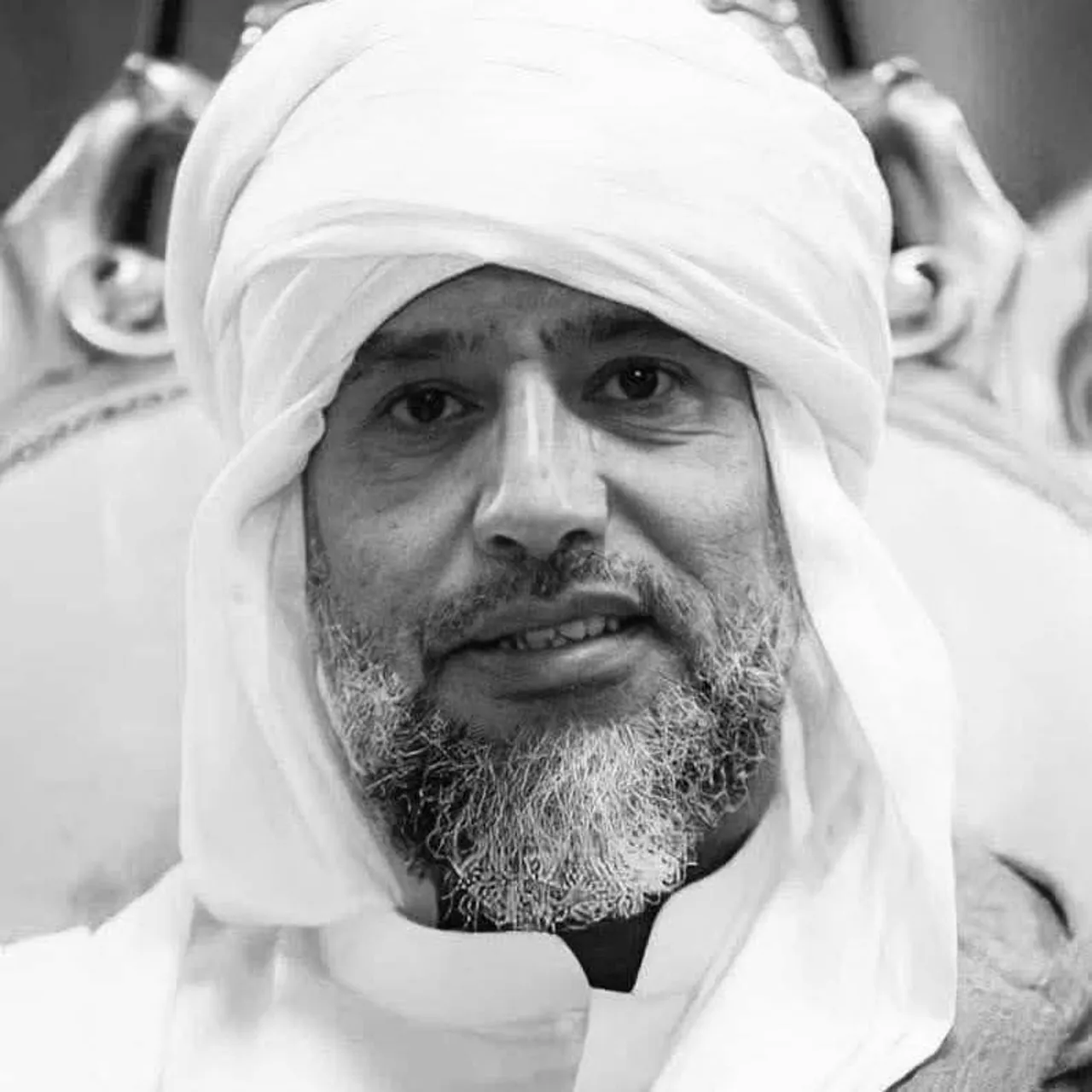
In the wake of the assassination of Saif Al-Islam Gaddafi in the western Libyan town of Zintan, attention has once again shifted to Libya’s ongoing political instability.
A country that has been in a stagnant state of political impasse for the past few years, Libya may have just witnessed the end of an era with the death of Saif Al-Islam.
This event marks the end of the Gaddafi family’s political relevance. Saif Al-Islam was the only remaining member of the family who retained political weight, while other surviving members had become politically marginal.
After all, he was widely seen as Gaddafi’s “heir apparent”, having been groomed for leadership in anticipation of his father’s aging at the time.
The broader context surrounding the assassination remains open to interpretation.
However, regardless of any potential developments behind the scenes, one thing remains clear: the political era of the Gaddafi family has come to an end with the death of Saif Al-Islam, whose legacy can be viewed through the lens of multiple missed opportunities.
Reform ambitions and the 2011 turning point
A brief history of Saif Al-Islam’s political career may shed light on his violent end.
It all began in the first decade of the millennium — specifically in the mid-2000s — when Saif Al-Islam was experiencing his steady and anticipated rise to prominence in Libyan politics. During this time, he became known for his somewhat reformist ideas.
His “Libya Al-Ghad” Project, meaning “Tomorrow’s Libya”, is perhaps the best example of these reformist efforts. The project was initially seen as a serious political initiative rather than one aimed merely at polishing the regime’s image, as it placed development and human rights at its core.
The focus on human rights went even beyond Libya Al-Ghad, as the country witnessed the establishment in Benghazi of an association for the families of victims of the 1996 Abu Salim prison massacre. Moreover, Saif Al-Islam’s reforms also saw the release of many political prisoners, including some linked to religious groups.
A missed moment during the revolution
Ironically, these two aforementioned acts can be directly linked to the regime’s demise, as it is the Busleem association’s protests in February 2011 which ignited the Libyan Revolution and led to widespread uprisings. In addition, some of these former prisoners later formed part of the anti-regime forces during the revolution.
Even more ironically, the revolution presented Saif Al-Islam with a significant opportunity to prove both himself and the sincerity of his political programme.





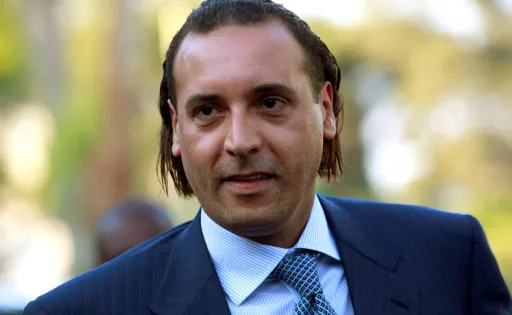
Had his political initiative been a genuinely reform-oriented one, he might have pushed for reform and called for reconciliation at the time. Instead, he publicly ridiculed the opposition — which represented a broad segment of Libyans — on both national and international television, telling them to “drink from the sea” if they were not content with the regime, a well-known Libyan expression.
Thus reinforcing perceptions that his programme was largely symbolic.
Return and the limits of political comeback
Fast forward to 2017, Saif Al-Islam was released from the prison where he had been held since his capture in 2011. This marked another missed opportunity. Around this time, he began to express interest in returning to the political stage, noting Libya’s deteriorating situation and seeing it as a chance to re-emerge by drawing on nostalgia for the relative stability of his father’s rule.
However, despite calling for repair and reconciliation, he did not take a further step to acknowledge the institutional and administrative degradation associated with the former regime, nor did he distance himself from past rhetoric that had offended many Libyans. Instead, he became involved in actions that ultimately undermined the national elections planned for 2021.
Saif Al-Islam’s short political trajectory reflects a series of missed opportunities and the decline of a political dynasty — a development that carries broader implications for Libya’s contemporary political journey.
The author, Yahya Habil, is a Libyan freelance journalist focusing on African affairs.
Disclaimer: The views expressed by the author do not necessarily reflect the opinions, viewpoints and editorial policies of TRT Afrika.