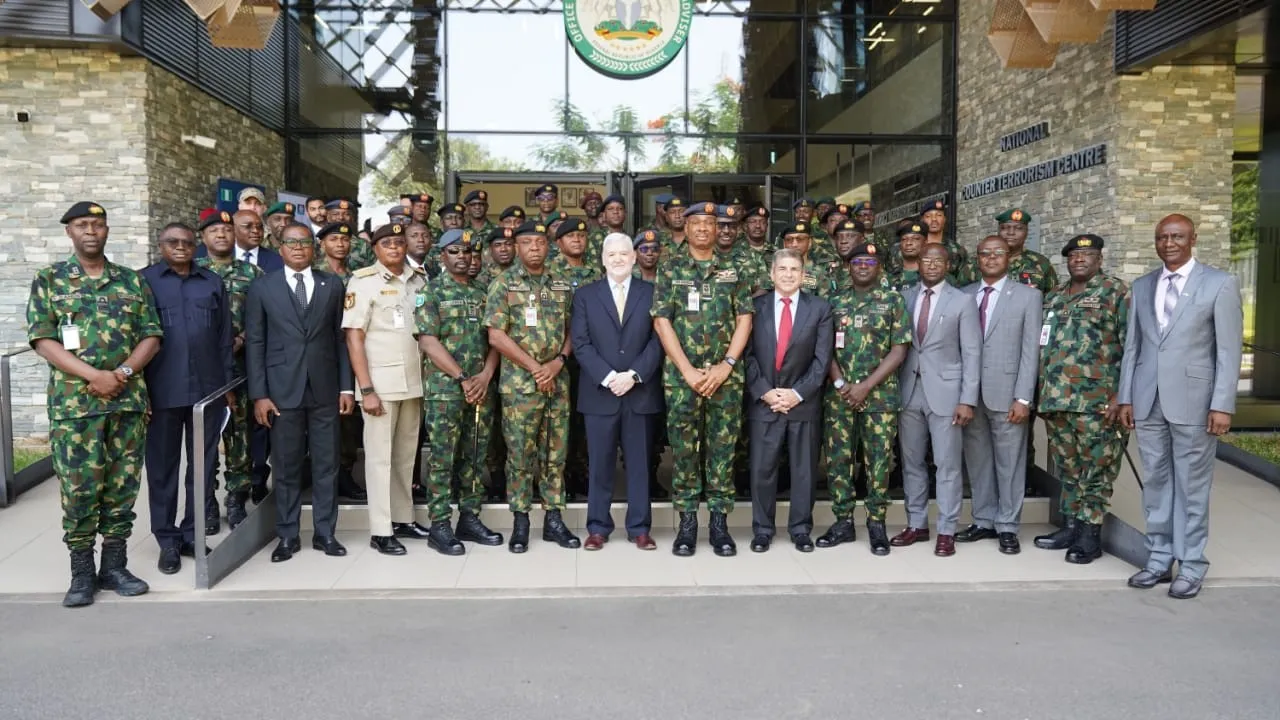
Nigeria and the United States have inaugurated new defence working groups aimed at strengthening security cooperation, even as concerns persist over escalating insurgent attacks across parts of the country.
The military, in a statement, said the Defence Institutional Technical Working Groups (DITWGs) were launched under the 2026 Defence Cooperation Roadmap to “reinforce collaborative efforts to address terrorism, insecurity and regional instability.”
The statement quoted the head of the US delegation, Cate Dave, as saying the initiative would deepen long-term planning and institutional capacity.
“The initiative supports strategic planning aimed at strengthening institutional capacity and denying terrorists safe havens,” Dave said, adding that there is a strong link between institutional development and effective counterterrorism operations.
It also cited Nigeria’s delegation leader, Francis Edosa, who highlighted the urgency of addressing evolving threats.
“Priorities include support to strengthen warfighting capabilities of the Armed Forces of Nigeria and sharpen its responsiveness to ultimately restore enduring peace and normalcy across Nigeria,” Edosa said.
According to the statement, both countries stressed the need for “practical outcomes, accountability and sustained collaboration” to enhance national and regional stability.
US support
The initiative comes amid expanded US military support to Nigeria, including the reported deployment of about 200 American troops and MQ-9 surveillance drones operating from Bauchi State.
Defence spokesperson Samaila Uba had earlier said the deployment, which began in February, was designed to provide intelligence gathering and training support rather than direct combat involvement.
Officials from both countries have maintained that the drones are being used strictly for intelligence, surveillance and reconnaissance, with American personnel serving in advisory roles rather than participating in frontline operations. The clarification followed public concern over foreign military involvement in Nigeria’s internal security efforts.
Despite increased cooperation, Nigeria continues to face a worsening security situation. Armed terror groups such as Boko Haram and Daesh have intensified attacks on military formations and civilian communities, particularly in the North-east.