 Emmanuel Oduor
A Kenyan cabinet minister who recently likened members of one community to hyenas is among prominent names under the radar of the authorities for alleged hate speech, amid fears politicians may stir up ethnic tensions ahead of next year's elections.
Campaigners say inflammatory narratives have intensified in recent months, with the Kofi Annan Foundation warning in a report last month of an 84% chance of electoral violence when Kenya heads to the polls in a year’s time.
The East African nation has a law against hate speech that includes provisions prohibiting incitement to violence, vilification of others or incitement based on any ground of discrimination.
But observers say some political leaders and social platform users have found ways of using coded or indirect language to express implied sentiments, signaling the difficulty in regulating campaign rhetoric and inflammatory words.
“It reflects this long-drawn feature of Kenyan politics where we mobilise for elections around our ethnic identities,” Kenyan historian Kenneth Ombongi tells TRT Afrika.
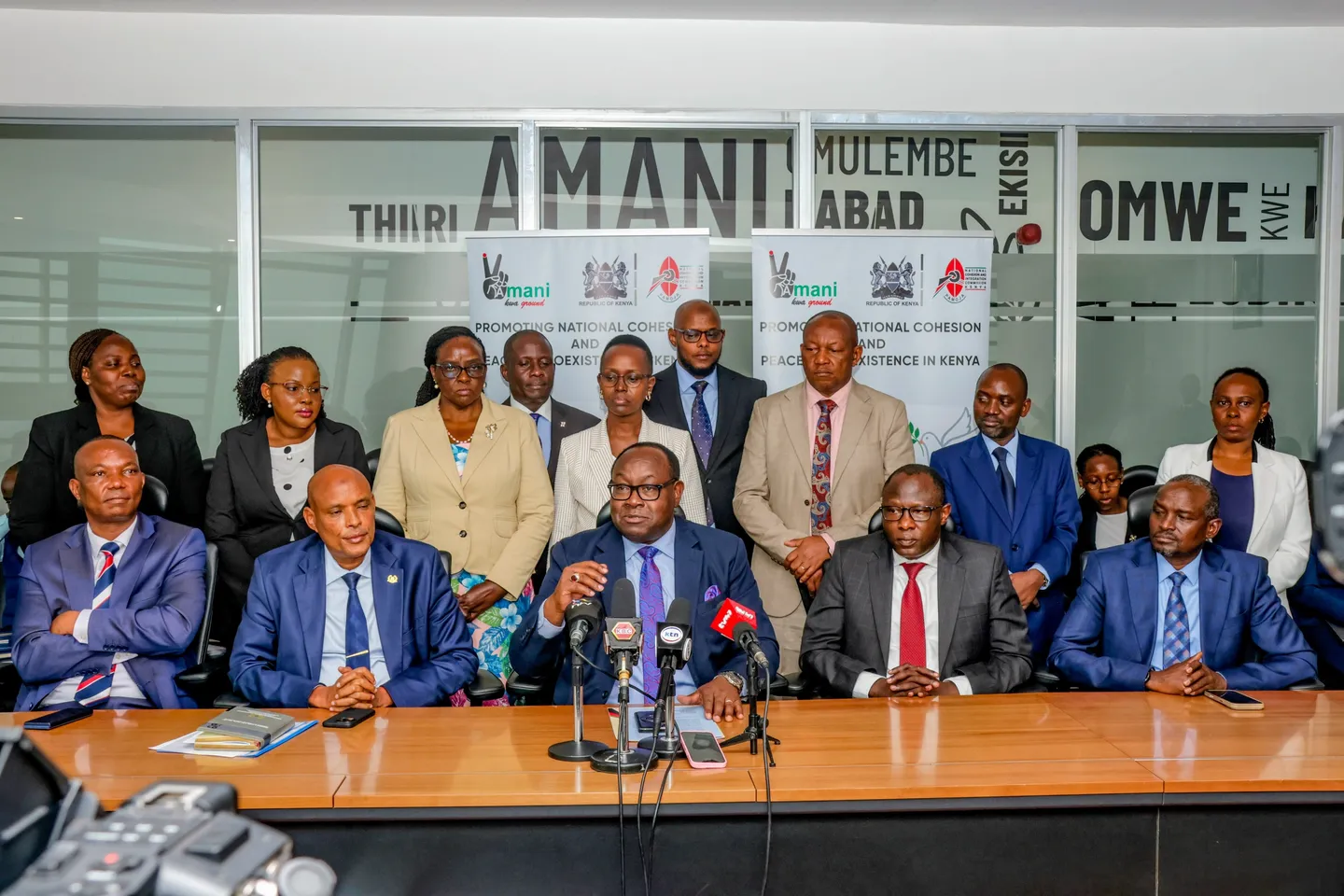
Early this month, the state's National Cohesion and Integration Commission (NCIC) opened investigations following complaints on the hyena reference by Health Minister Aden Duale after a public outcry.
The minister has since defended his remarks, which he said were taken out of context, and said he will not honour the commission’s summons. By Kenyan law, any minister facing criminal charges is expected to step aside.
Last week, police arrested a member of parliament at a television station where he had gone for an interview, accusing him of alleged inflammatory remarks made at a political rally. Mukurwe-ini MP John Kaguchia was freed on bail.
Hate speech in not new in a country that was pushed to the brink of civil war during the 2007-08 post-election violence that was fueled by identity politics. Some 1,200 people were killed and over half a million displaced in the mayhem that ended after international mediation.
“Our ethnic identities seemingly supersedes lessons from history. Despite the history of violence that we have had before, elections are still largely organised around communities rather than competing political ideologies.”
“In such an environment, hate speech has become a political currency rather than a mere means of communication,” Ombongi adds.
Fear-mongering also plays such an oversize role in Kenyan political cycles as an instrument of political mobilization, according to analysts.




Politicians routinely frame political competition as a struggle of “us versus them”, with electoral defeat portrayed as portending economic marginalisation or communal insecurity.
“If you look at the moment we are in, the language may differ slightly from that of 2007, the players are different, but the underlying logic remains remarkably the same. In both cases, politicians have sought to transform political campaigns into some kind of ethnic confrontation,” says Ombongi.
Free speech vs hate speech dilemma
A government multi-agency team, which includes the police, the electoral commission and the media regulator, warned this month of a worrying pattern of "hate speech, ethnic contempt, vulgar language and unprintable political intolerance" in public rallies and online platforms.
It said over 20 cases were under investigation over alleged hate speech and ethnic incitement. Those found guilty will be barred from seeking electoral seats on grounds of incitement, officials added.
However, state-led efforts to curb hate speech have been met by criticism of restricting free speech. Disliking what someone said does not make it hate speech, some lawyers argue, and the legal threshold for successful prosecutions remains high under the country’s constitution.
“Everybody is allowed to have their freedom of expression, but where to mark the boundary is usually the biggest question for investigators. And that’s why it’s difficult to investigate and prosecute somebody,” says Kenyan lawyer Joseph Wakaba.
Moreover, anonymised videos or videos trending on social media capturing incidents of hate speech, may spark public condemnation but are not considered sufficient evidence.
“For the accused, the first defence will be that the video cannot be verified and usually the recorder of the video is not available to confirm that they took that video,” says Wakaba.
“You also have to examine the exact words that were used in order to distinguish what is covered by free speech and what qualifies for hate speech. If the remarks are directed towards a political opponent, for instance, the suspects can argue that they have a right to express their political opinions and hold political positions on certain issues.”
Can youth change the equation?
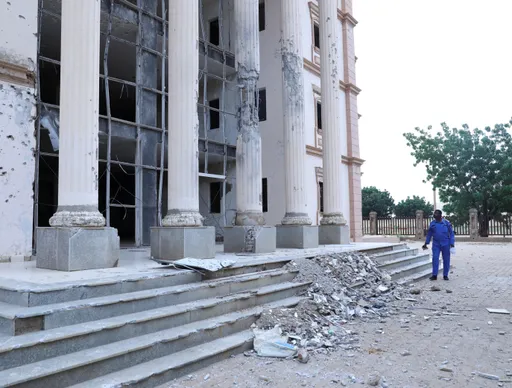
Kenya's youth-led demos of June 2024 shook the political establishment to the core after protesters stormed parliament building, vandalised a part of the Supreme Court and brought businesses in the capital, Nairobi, to a standstill for days.
President Ruto was forced into making dramatic U-turns including shelving the budget, dissolving his cabinet and accepting the resignation of the police chief.
The concerns that sparked the protests, including youth unemployment, the cost of living and accountability by government, continue to resonate across the Gen Z - who often described themselves as being “tribeless, partyless and classless”.
However, the strength of the movement also created a difficult equation: whether it can translate into improvements from ethnicised politics.
“I think there is a fairly exaggerated picture of what happened in 2024... That group of youth disintegrated very quickly and some of their leaders are now attached and associated with political outfits that carry communal image. So it has fizzled out,” argues Ombongi.
“Such an episodic rise of non-identity politics doesn't take root in the country because of this closing of ranks by politicians and co-opting or crushing these forces.”