Ghana's new banknotes are not merely cash — they are a portable museum.
On 12 November, President John Dramani Mahama launched the Ghana Cedi Heritage Series, which will enter circulation on 1 December 2026.
So, what do they carry?
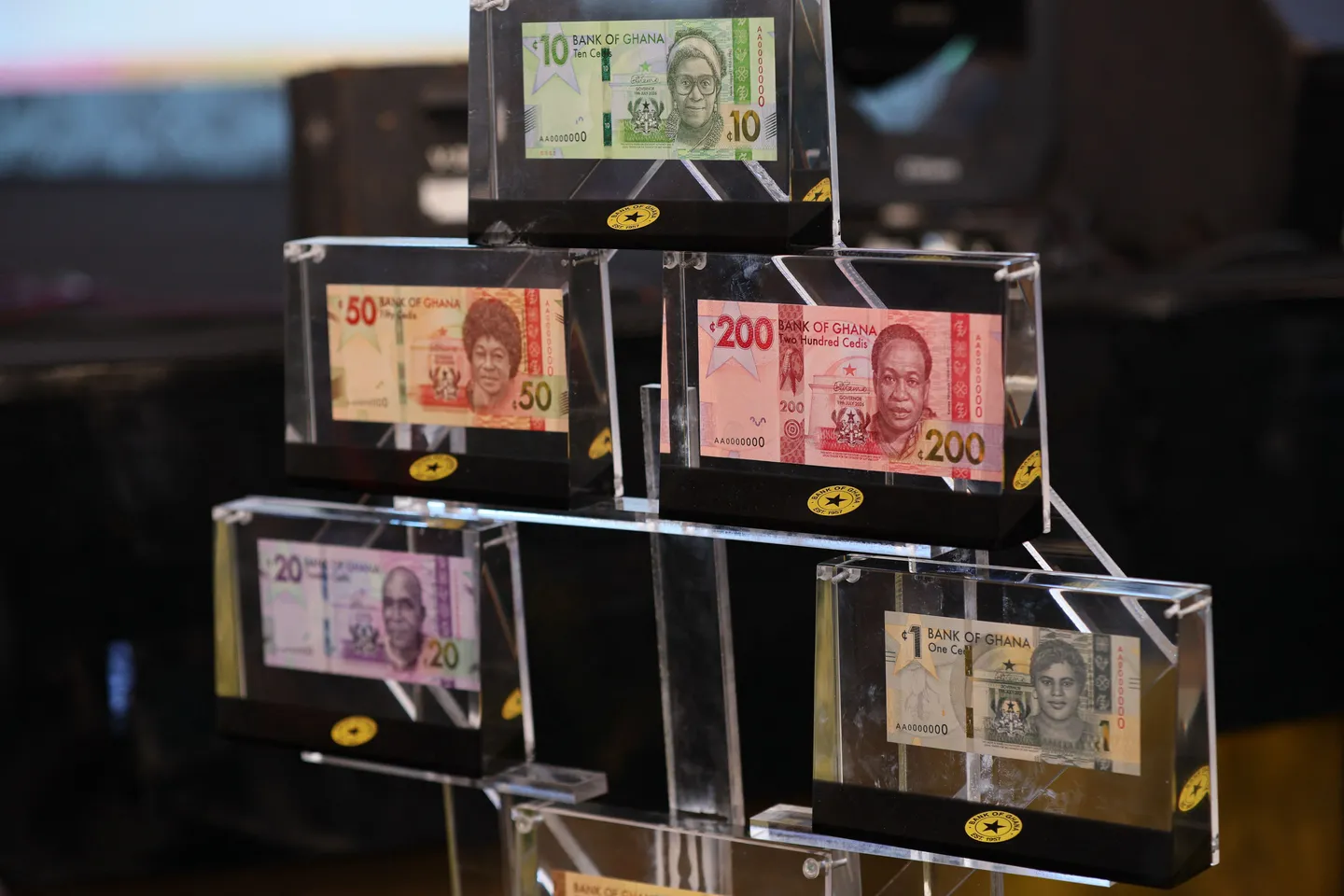
Well, the notes feature heroes, historic sites and Adinkra symbols.
GH¢1 carries the portrait of the first woman to open a bank account in Ghana, allowing market women to save and grow their businesses in the 1940s. Agnes Oforiwa Tagoe-Quarcoopome was a trader at Makola market.
GH¢2 carries Cardinal Peter Porekuu Dery, who became Ghana's second cardinal in 2006, serving a senior Catholic role close to the Pope.
GH¢5 honours James Emmanuel Kwegyir Aggrey, an educationist and Pan-Africanist who believed educated minds could liberate Africa.
Annan and Nkrumah honoured
On GH¢10 is Annie Ruth Jiagge, who in 1961 became the first woman High Court judge in Ghana and the first in the Commonwealth, the group of countries once under British rule.
GH¢20 sings for Ephraim Koku Amu, who in 1929 composed Ghana's patriotic song that is performed at national functions.
GH¢50 waves for Theodosia Salome Okoh, who designed the Ghanaian flag in 1957.



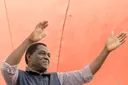
GH¢100 honours Kofi Annan, the Ghanaian diplomat who served as UN Secretary-General from 1997 to 2006.
GH¢200 crowns Kwame Nkrumah, who led Ghana to independence from Britain in 1957, became its first Prime Minister and later its first President in 1960, and helped Africa's liberation from colonialism.
The backs celebrate places, not people: Makola Market for trade, Larabanga Mosque for faith, Achimota School for learning, the Supreme Court for justice, the National Theatre for arts, Jubilee House for leadership, the Peacekeeping Centre for peace, and the Kwame Nkrumah Memorial Park, where he declared independence and where he and his wife were buried.
Security features
The cedi, one of Africa’s strongest currencies, traded at about GH¢11.70 to $1 on 12 November 2026.
Bank of Ghana Governor Dr Johnson Pandit Asiama said the new series combines modernisation and national identity.
President Mahama traced "cedi" to "sedie", the Akan term for cowrie shells used in trade before modern banking.
He invoked the Adinkra symbol of two crocodiles sharing one stomach saying: "Whatever nourishes one nourishes both."
The notes are printed on reinforced cotton paper, smaller for handling, with enhanced security features to fight counterfeiting.
Officials say the old notes will not be demonetised and "will run side by side with the new currency notes", with gradual withdrawal.