 Sylvia Chebet
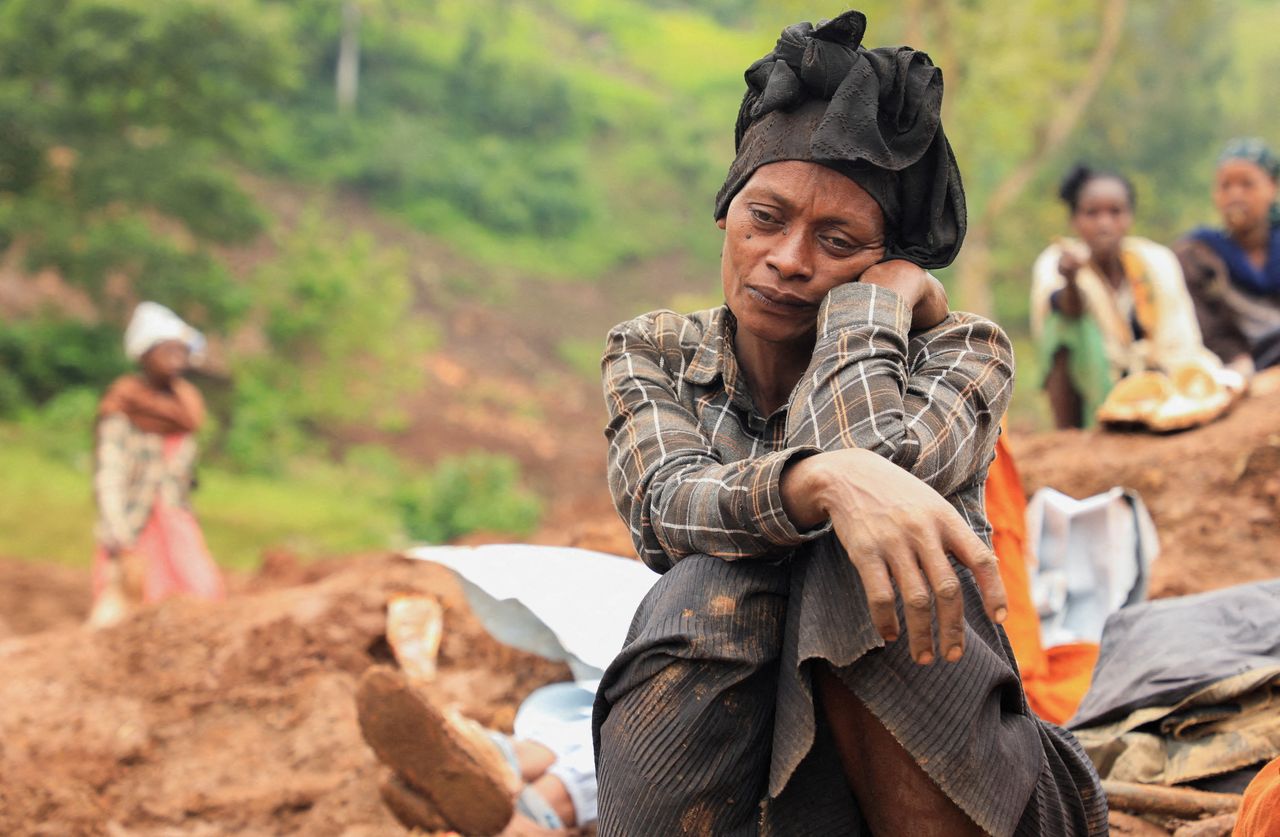
Too little water, too much water; wildfires and devastating storms. As climate extremes intensify worldwide, Africa finds itself on the frontline of a crisis it has done relatively little to cause.
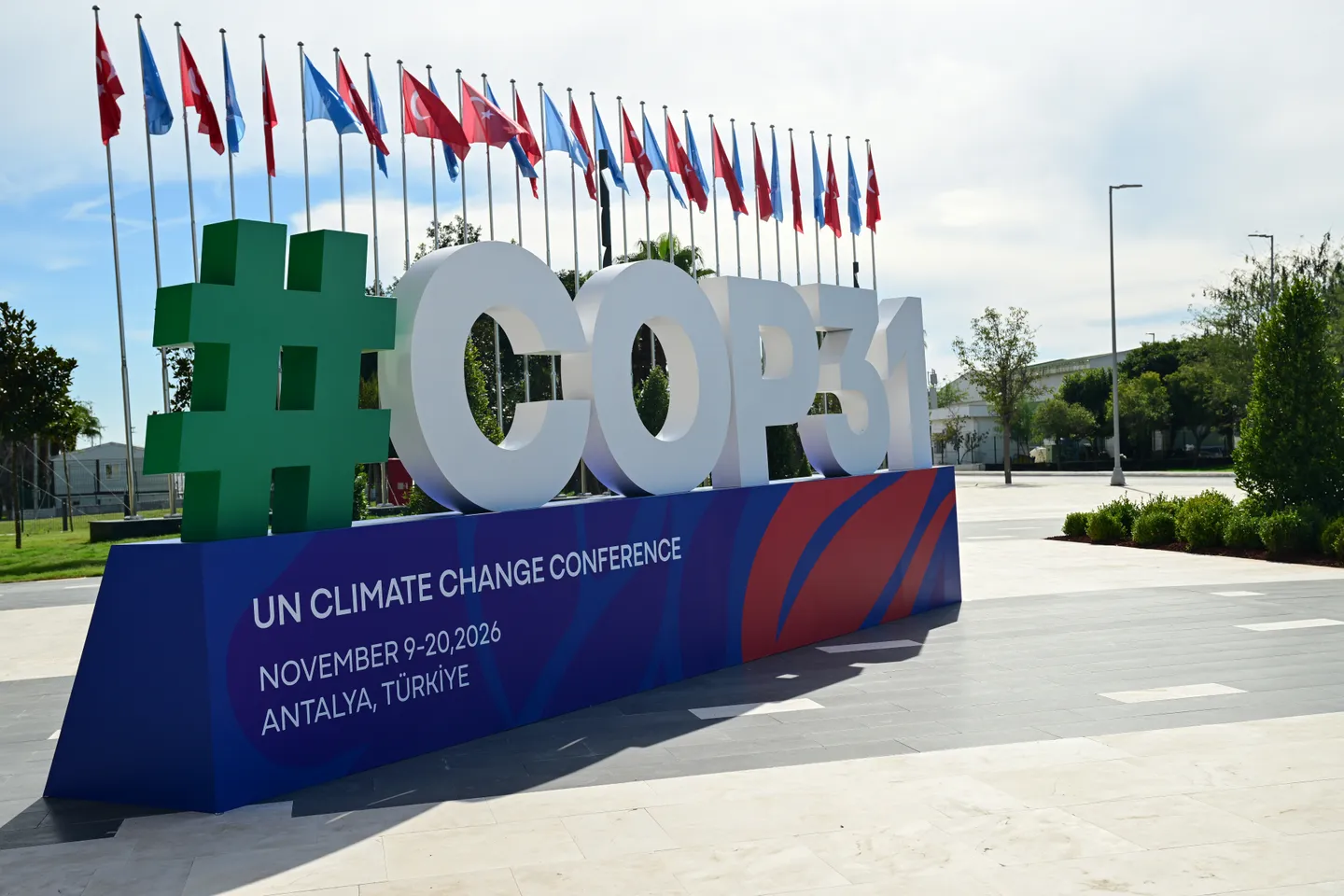
At COP31 in Türkiye’s Antalya, African countries are pressing for more than renewed promises of climate finance. They want accountability, the fulfilment of existing commitments and a financial system that recognises the scale of the continent’s climate vulnerabilities and development needs.
For the African Group of Negotiators (AGN), the focus is on turning long-standing commitments into tangible action.
“This COP, from the African point of view, is the COP that really is supposed to set the parameters, the scope and the modalities of this climate finance work programme,” says Iskander Erzini Vernoit, Executive Director of the IMAL Initiative and a member of the African Group of Negotiators.
He says the programme is intended to provide a mechanism through which African countries can hold developed nations accountable for climate finance obligations.
“The Green Climate Fund, the Loss and Damage Fund, the Adaptation Fund, all of these funds are currently suffering from a lack of attention, a lack of political will, and a lack of a willingness, shall we say, to put money where the mouth is,” he tells TRT Afrika.
Erzini Vernoit argues that despite growing international rhetoric about the urgency of tackling climate change, financial support has not kept pace with the needs of vulnerable countries.
Developed countries have a responsibility to support nations that lack the financial capacity to meet their climate ambitions, he says, whether through reducing greenhouse gas emissions or adapting to the effects of a warming planet.
He also points to Article 9.1 of the Paris Agreement, which establishes the obligation of developed countries to provide financial resources to assist developing countries with mitigation and adaptation.
“This is not just a voluntary target,” Erzini Vernoit says, arguing that developed countries could face legal proceedings at the International Court of Justice in The Hague if they fail to fulfil their obligations.
Drawing the line on climate finance
For African countries, the frustration over climate finance is rooted in a long-standing gap between their demands and the commitments emerging from global climate negotiations.
At COP29 in Baku in 2024, climate finance took centre stage as countries negotiated a New Collective Quantified Goal (NCQG), intended to replace the longstanding $100 billion annual climate finance commitment first agreed in Copenhagen in 2009 and subsequently incorporated into the Paris Agreement.
The African Group of Negotiators had rallied developing countries behind a demand for $1.3 trillion in annual climate finance.
But the agreement that emerged from Baku fell considerably short of that ambition, settling on a target of at least $300 billion annually by 2035 from developed countries.
“What came out of the COP in Baku fell very short of what Africa sought at the time in terms of climate finance,” Erzini Vernoit tells TRT Afrika.
Now, two years later, questions remain over where the $300 billion will come from, how much of it will constitute public finance and how quickly it can be mobilised.
This financing gap is one reason why accountability has become central to Africa's negotiating position at COP31.
Front and centre is the climate finance work programme agreed as part of the COP30 package in Belém, Brazil. African negotiators want COP31 to establish its parameters, scope and modalities, creating a mechanism through which developing countries can monitor delivery of climate finance commitments.
Africa’s new agenda items
The African Group has tabled two additional agenda items at COP31. The first concerns the commitment to triple adaptation finance agreed at COP30. African negotiators want clearer accountability measures to ensure that the commitment translates into actual funding.
Erzini Vernoit says the group is concerned by what it sees as reluctance among developed countries to discuss formal mechanisms for monitoring delivery.
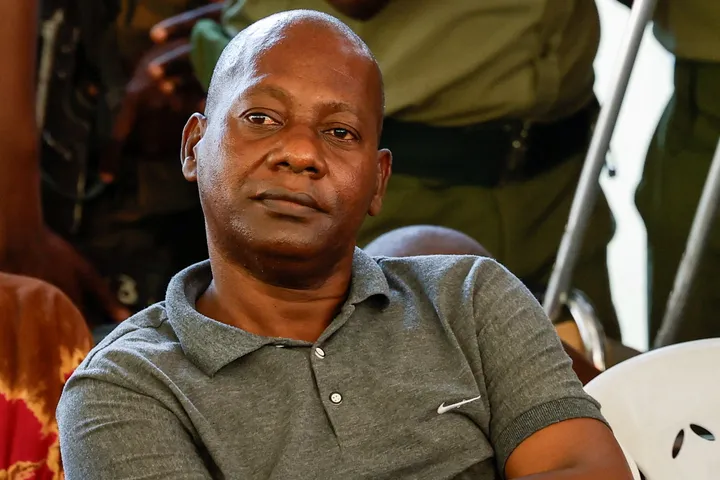



“In fact, we've seen, arguably from the developed countries, an unwillingness to be held to account and to discuss formal accountability measures for the tripling of adaptation finance commitment, which was only agreed less than 12 months ago,” he says.
“So it's very concerning to see that in many ways, before the ink is even dry, we have people that are apparently looking past these commitments.”
The second agenda item focuses on the Green Climate Fund (GCF), a key financial mechanism under the Paris Agreement.
Erzini Vernoit says that instead of increased contributions to match growing climate needs, the African Group is concerned by indications that some developed countries are reducing their planned contributions to the fund's replenishment.
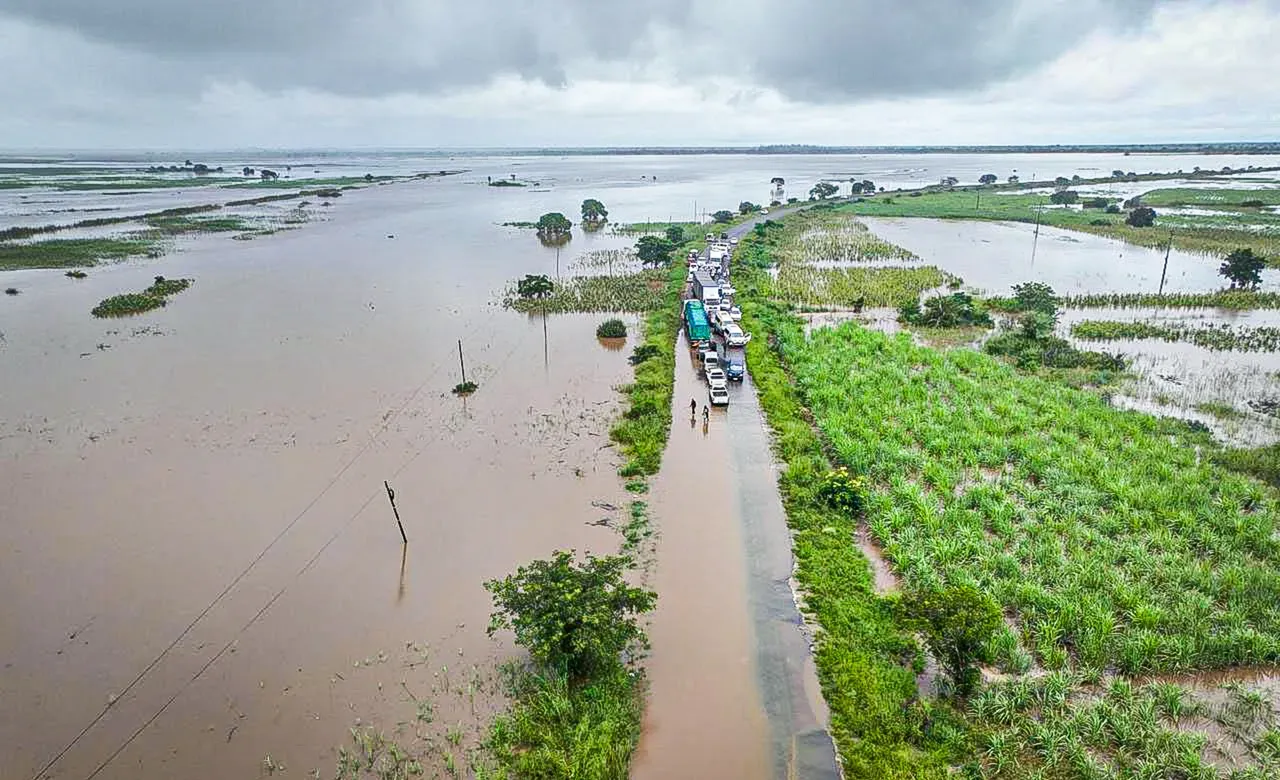
For African countries, the concern is that commitments made at international climate summits risk becoming increasingly disconnected from the resources available to implement them.
“When you are a part of an international climate finance regime and a wider climate multilateralism, as part of engaging in good faith, you are obliged, when you don't have the means with which to implement the ambitions, to call a spade a spade,” he says.
“If we don't address these issues, we can't achieve the ambitions that we've collectively undertaken, and they will just remain words.”
Climate justice
African Union Commission Chairperson Mahmoud Ali Youssouf argues that the continent's climate vulnerabilities are compounded by its economic challenges and inequalities in the global financial system.
“The vulnerabilities of our member countries caused by climate change, debt burden and structural inequalities of the international financial architecture must be redressed through climate justice,” he said.
Kenyan President William Ruto also called for stronger international cooperation, warning against the erosion of trust caused by unfulfilled commitments.
“Too often, commitments are broken, and international solidarity is dismissed as weakness precisely when the scale of the climate crisis demands enhanced cooperation, not less,” he said.
“The truth is undeniable. No nation can solve this crisis alone. Only through bold, united and sustained cooperation can we avert a climate catastrophe.”
Beyond climate vulnerability
But Africa's message at COP31 is not exclusively about its vulnerability or the financial support it needs. It is also about the continent's place in shaping the global economy as the world transitions towards cleaner energy and more sustainable industries.
Ethiopian Prime Minister Abiy Ahmed said: “We’re not here to negotiate our survival. We’re here to design the world's next climate economy. If we make the right choices now, Africa can be the first continent to industrialise without destroying its ecosystems.”
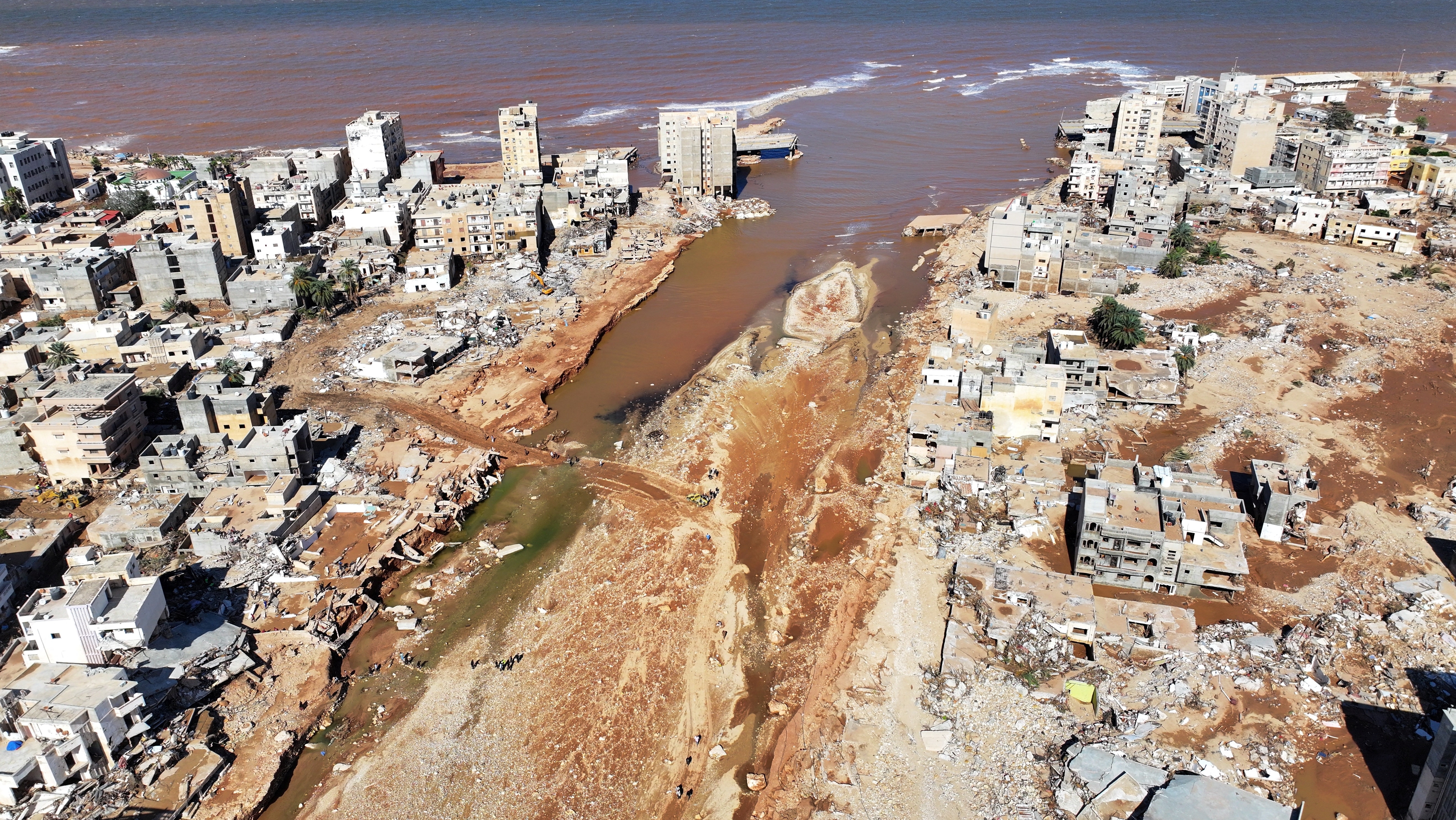
Ethiopia is scheduled to host COP32 in 2027, bringing the global climate negotiations to Africa and giving the continent another opportunity to shape the international climate agenda.
For Erzini Vernoit, however, the immediate test in Antalya is whether the international community can move beyond declarations and deliver on what it has already agreed.
“What we're really seeking to get out of this COP is about enhancing accountability and ensuring delivery of the commitments that have been made and of the legal obligations that have been assumed,” he says.
“We just can't go on in good conscience with accepting mediocre outcomes on finance. The line has to be drawn and some things have to be non-negotiable in that regard.”
For a continent facing mounting climate pressures while pursuing its own development ambitions, the stakes go beyond the outcome of another round of negotiations. They concern whether the global climate finance system can deliver the resources, fairness and accountability that African countries have long been promised.