 Emmanuel Oduor
Over the last twenty years, Türkiye has evolved its ties with Africa from a sparse diplomatic presence to a diverse partnership encompassing trade, education, culture, and security.
Bilateral trade has exceeded $40 billion, thousands of African students are now enrolled in Turkish universities, and Turkish TV dramas have gained popularity across the continent.
Within the framework of "African solutions to African problems", Türkiye has supplied military assets that have shifted outcomes in conflict zones in favour of legitimate governments, making defence cooperation with Türkiye attractive for African states.
Experts say the country positions itself as the indispensable interlocutor between the Western security frameworks and the African continent.
“Türkiye presents itself to African partners as an Afro-Eurasian power, not Western, not colonial, but connected to both worlds,” Mursel Bayram, the head of African Studies at Ankara Social Sciences University, tells TRT Afrika.
“That framing is effective, I think it allows Ankara to offer African governments access to NATO-standard military technology and security expertise without the political baggage that traditionally comes with Western engagement.
“So, when Ankara says it can reach NATO and the global South, it's not just a claim, there is a substance behind it.”
Rather than the old models of former colonial powers - which included direct interventions, permanent bases and ground troops - Türkiye's proposition has been to build state capacity and government forces capable of operating independently.
“It's a very different proposition from what France offered in the Sahel, where local forces often remain dependent on French logistics and support. The lesson is clear, keep your physical footprint small and your technology footprint large,” Bayram says.
Türkiye has also ratified military protocols with countries like Nigeria to facilitate technology transfer for manufacturing military equipment.
Some Nigerian companies have already engaged with Turkish defence companies to explore joint production of assets to counter terrorist groups such as Boko Haram and its Daesh-linked offshoot known as ISWAP.
The goal is stability
The Turkish Armed Forces conduct training in several African countries in counter-terrorism and military technology to promote peace and stability.
The goal is to leave those forces capable of operating independently.
“By training local forces to standard and providing the tools for self-defence, Türkiye positions itself as an enabler of African self-reliance instead of an external security guarantor,” Bayram says.
“This resonates with African partners in ways that traditional Western peacekeeping models often do not.”
In Somalia, for instance, Türkiye has improved the Somali Armed Forces’ organisation, training, military infrastructure, and logistics.
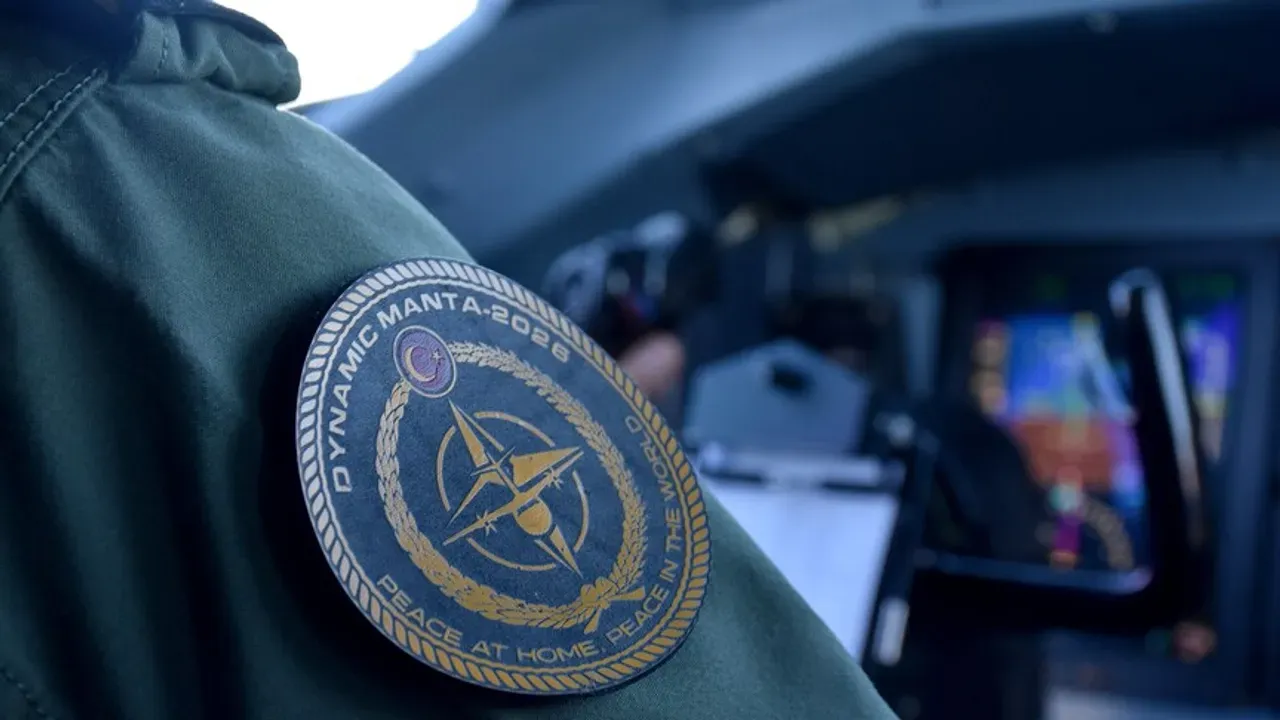
Turkish naval forces have also conducted search-and-rescue training flights in Senegal as part of a broader effort to strengthen military cooperation between the two countries.

Türkiye has also contributed uniformed personnel to UN missions in South Sudan, Mali, the Democratic Republic of the Congo, the Central African Republic, Sudan and Somalia.
“Türkiye has a lot of experience in its own region with the activities of separatist terrorists. With this experience, Türkiye can help African countries that are facing similar security challenges,” Ahmet Kavas, Türkiye’s former ambassador to Chad and Senegal, tells TRT Afrika.
“Since the beginning of the 2020s, several African countries have experienced these problems and they are benefitting from Türkiye's experience, especially countries like Ethiopia, Sudan, Somalia, Mali, Burkina Faso, Niger and Senegal.”
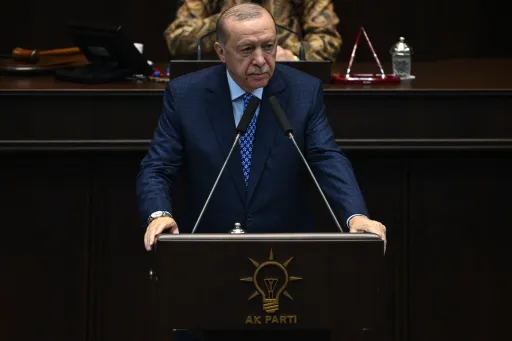
President Recep Tayyip Erdogan, first as prime minister and then as president, has made more than 50 visits to Africa, making him the world leader with the most visits to the continent.
His call that "the world is bigger than five" has been a push for reforms in the UN Security Council, among other things, to reflect Africa’s growing muscle in the international order.
“It [the phrase] is openly challenging the Western-dominated global order and offering African partners an alternative that prioritises sovereignty, speed and transactional conditionality. Many African governments, I think, find that preferable,” Bayram observes.
On the economic front, Türkiye has offered alternatives to a continent long regarded as a theatre of fierce competition for its natural resources among former colonial powers and emerging powers.
This is partly due to changing dynamics in Africa that have rendered Western powers inconsistent partners. African governments are increasingly questioning the West's tendency to interfere in domestic affairs and sovereignty with a neocolonial mindset.
Not colonial
Türkiye’s footprint across sub-Saharan Africa now includes an approximately 400-kilometre railway linking landlocked Ethiopia to the coastal Djibouti, a military base in Somalia, the largest indoor sports facility in eastern Africa, built in Rwanda, and floating power stations that provide electricity in Sierra Leone and Guinea-Bissau.
Yet the figures alone do not reveal the full extent of the evolving relationship. To pave the way for economic partnerships, Türkiye established bilateral free trade and economic cooperation agreements with 49 African countries.
The turning point in Türkiye’s relations with Africa began in 2005, when it received observer status with the African Union, and Ankara declared it the "Year of Africa".
Over the next two decades, Türkiye’s diplomatic presence expanded to 44 embassies on the continent, while its flag carrier, Turkish Airlines, operates flights to 64 destinations across 42 African countries.
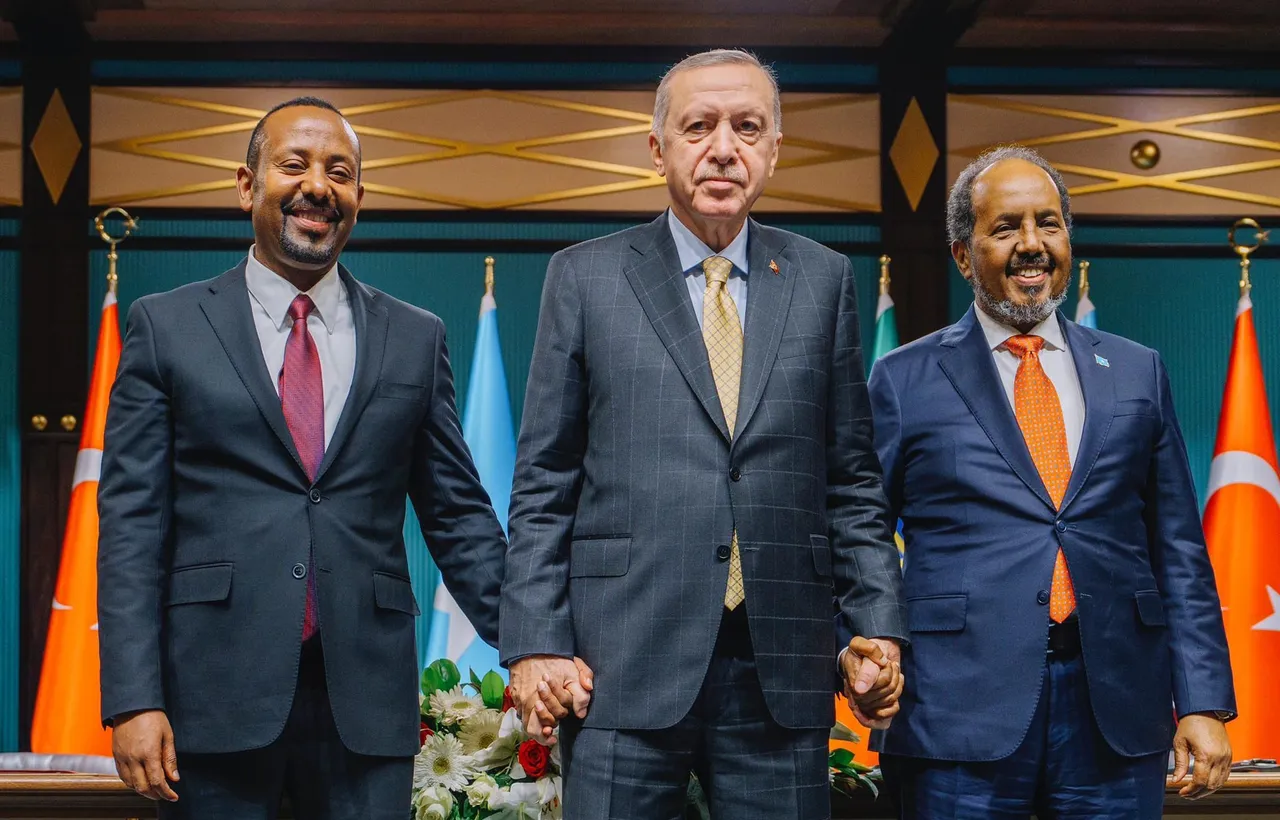
Ankara has also hosted numerous presidents, heads of government, and business leaders for talks to cement ties.
The Turkish capital has also witnessed the signing of trade agreements, peace mediations to end conflict and the ratification of security-related pacts.
“The core difference comes down to narrative and model. Former colonial powers’ general approach to Africa carries the weight of extraction, paternalism and imposed governance. Even when their intentions today are constructive, that history shapes every interaction. African publics feel it and African leaders cannot ignore it,” Bayram tells TRT Afrika.
“Türkiye arrives without that inheritance and it has been very deliberate about building an alternative identity.”