Climate change is not only an environmental crisis but also a human rights and justice issue, especially for vulnerable groups.
Yet the planetary systems that sustain life are under immense and rapidly worsening strain as climate change continues to exacerbate water stress, damage agricultural harvests and amplify gender and other dimensions of inequality in a profound manner.
Beyond such direct impacts, the socio-economic consequences of climate change are impacting governance in Malawi and the rest of Africa. This requires critical attention, sharpened voices and meaningful responses.
Malawi lies at the frontline of climate change in Africa. The country is experiencing increasing environmental challenges, including climate-related disasters such as repeated droughts and unsustainable exploitation of natural resources.
These factors are adversely affecting livelihoods, deepening social inequalities, and placing additional pressure on justice systems.
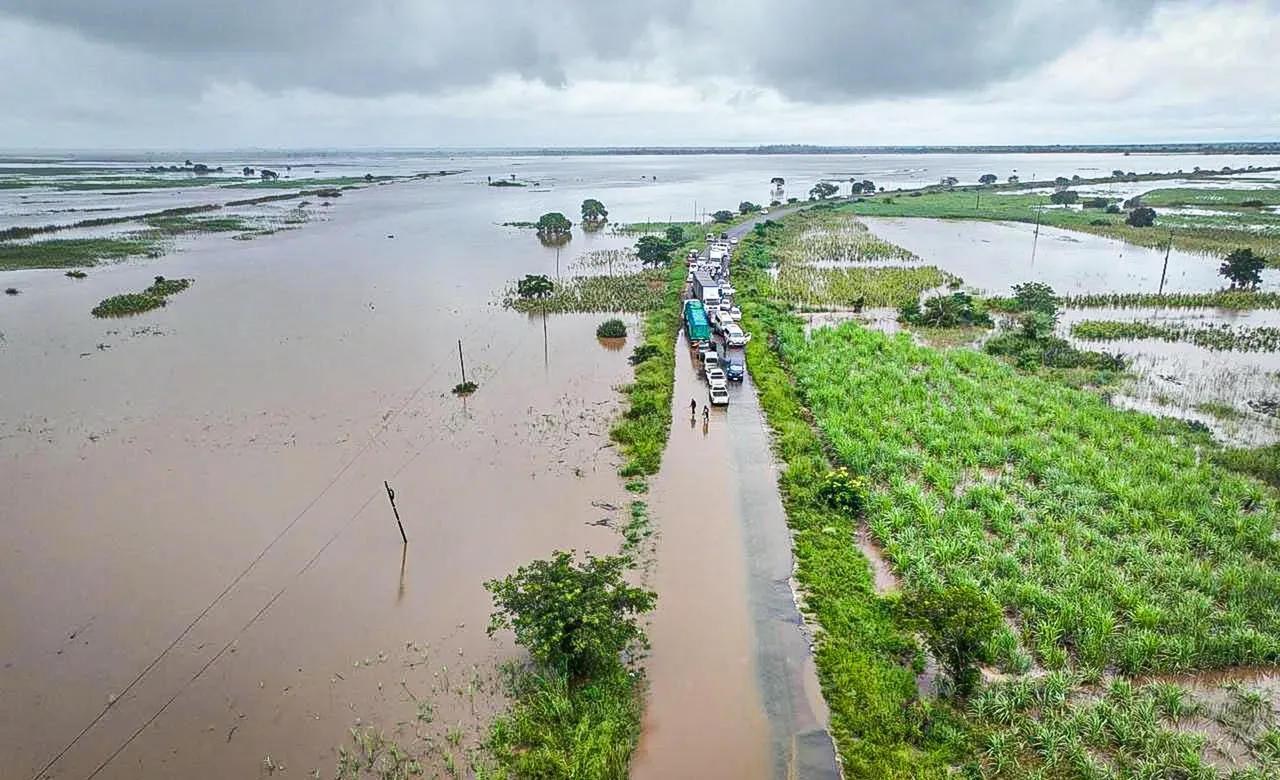
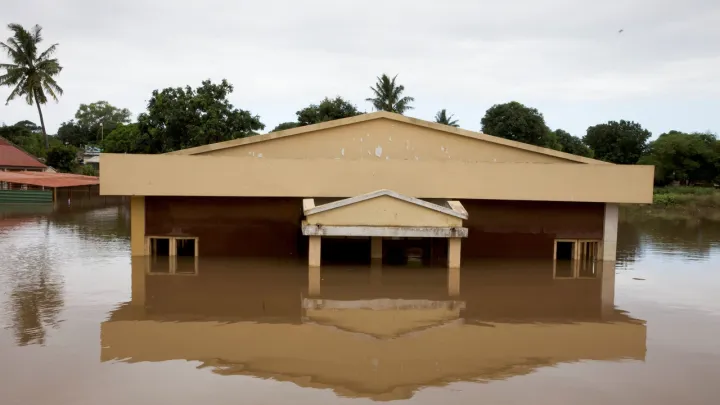
In the past 6 years, devastating impacts have been experienced in Malawi, such as with the heatwave of October 2019, the tropical cyclones Idai and Kenneth in 2019, cyclones Ana and Gombe in 2022, cyclone Freddy in 2023 and cyclone Chido in 2024.
Cyclone Freddy will be remembered for its devastating impacts, including the displacement of 659,000 people in Malawi’s southern region. Furthermore, El Niño weather conditions have persistently affected Malawi with droughts, leading to an increased food insecurity and poverty.
These climatic events have underscored the critical need to strengthen the resilience of Malawi’s communities, infrastructure, and services in the face of climate change impacts. Among the key areas requiring urgent attention is environmental justice.
Reframing climate change as a human rights crisis
Climate change is a fundamental human rights crisis, undermining the rights to life, food, health and housing due to the extreme destruction of lives and property and disruption of the ecosystem.
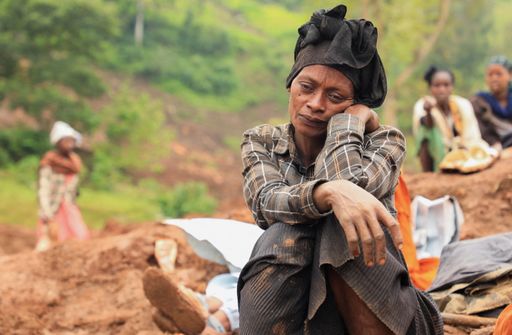
It disproportionately affects vulnerable populations especially women who are subjected to gender-based violence and the impact of increased inequality. It is, therefore, critical to reframe climate change as a human rights crisis, requiring appropriately tailored responses.
Against this backdrop, UNDP Malawi partnered with the Government of Malawi and the Johns Hopkins University to organise a high-level dialogue to highlight the debilitating impact of climate change in Malawi and Africa, more so, highlight the impact of climate change on marginalized populations and identifying the resulting violations on individuals and communities.
The Dialogue brought together policymakers, development partners, academics, civil society representatives, and international experts to examine the intersection between climate change, environmental governance, and human rights.
Therefore, the conversation underscored the critical nexus between between human rights and environmental protection which requires the prioritisation of environmental justice.
In this regard, the implications of environmental harm require an urgent need for systemic accountability and the strengthening of national frameworks across and for access to justice and effective remedies for environment-related harms.
Dialogue reflections
The discussions underscored a growing recognition that climate change is not only an environmental concern but also a governance and justice issue.
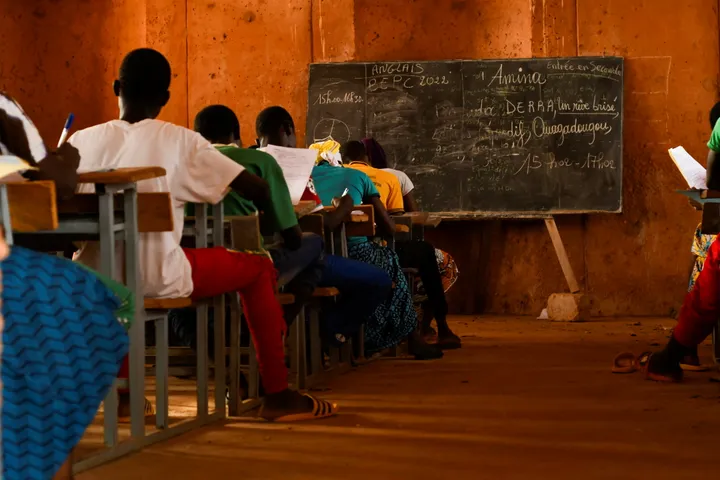
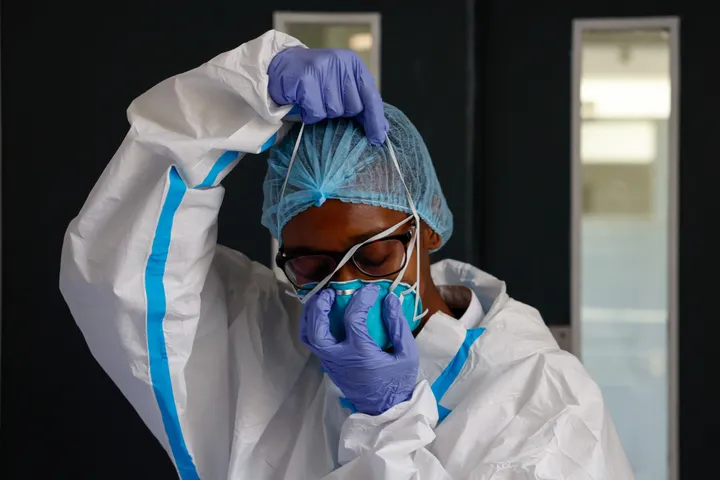
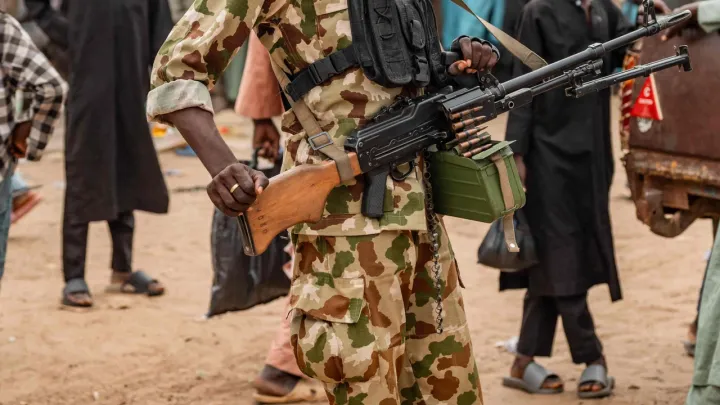
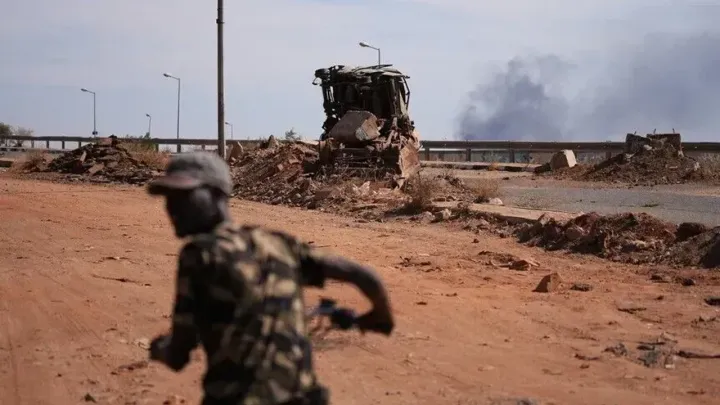




The event provided an opportunity to exchange perspectives on how environmental justice approaches can strengthen national climate responses and contribute to sustainable development.
Discussions highlighted the disproportionate impacts of climate change on vulnerable populations, particularly women, youth, and communities dependent on natural resources.
Challenges related to enforcement of environmental legislation, governance of natural resources, and access to climate finance were explored. Panellists, therefore, underscored the importance of strengthening institutional capacity, improving regulatory oversight, and ensuring inclusive participation in climate decision making.
The High-Level Dialogue accentuated several key solutions required to foster an environmental justice and rights-based approach to climate governance.
First, there remains a critical need to strengthen judicial and institutional capacity to address environmental disputes. This requires improving legal frameworks, operationalizing environmental tribunals, and enhancing trainings for legal professionals dealing with environmental cases.
Second, access to justice mechanisms must be strengthened and made available at sub national levels to enable communities to seek remedies for environmental harm.
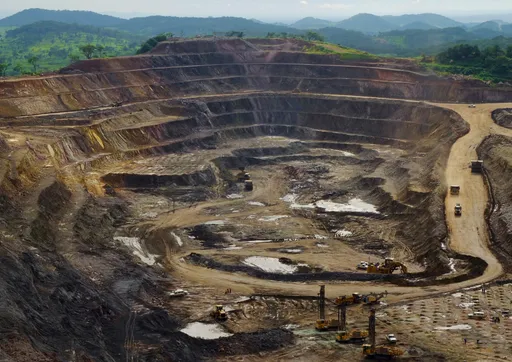
Third, strengthening governance safeguards, transparency, and community participation in resource management is important for ensuring that natural resource exploitation contributes to sustainable development rather than conflict. This in turn will reduce social tensions associated with the extraction of mineral resources and strengthen social cohesion.
Fourth, promoting gender-responsive climate governance is critical to ensuring that climate policies address the specific vulnerabilities faced by women and girls.
Fifth, supporting youth engagement and innovation in climate action can contribute to inclusive climate governance and strengthen locally driven climate solutions.
Sixth, improving access to climate finance and strengthening national capacity to engage with international climate finance mechanisms for advancing climate adaptation initiatives must be prioritised.
Seventh, it is critical to promote responsible natural resource governance to ensure that resource extraction contributes to sustainable development and does not exacerbate environmental degradation or social tensions.
Eight, partnership among governments, development partners, civil society organizations, and research institutions in advancing environmental justice is critical.
Conclusion
The Dialogue is the first in a series of policy conversations geared towards engaging stakeholders to build consensus, ensure ownership, exchange knowledge secure commitment for policy implementation and ensure evidence-informed decision making in programming environmental justice responses to climate change.
The Dialogue serves as a call to action for awareness regarding the implications of climate change on the environment and its knock-on effect on rights to life, food, health and housing.
In this regard, vulnerable groups, including women, children, and young people, bear the greatest burden.
Consequently, it is critical to forge a strong partnership for rights-based action to ensure justice and the protection of those affected, who bear the greatest consequences of climate change.
Dr. Rowland Cole is the Chief Technical Advisor, Rule of Law and Human Rights, UNDP Malawi, and Prof. Obiora C. Okafor is Edward B. Burling Chair in International Law and Institutions and Faculty Co-Lead for the Governance, Politics and Society Focus Area, School of Advanced International Studies, Johns Hopkins University