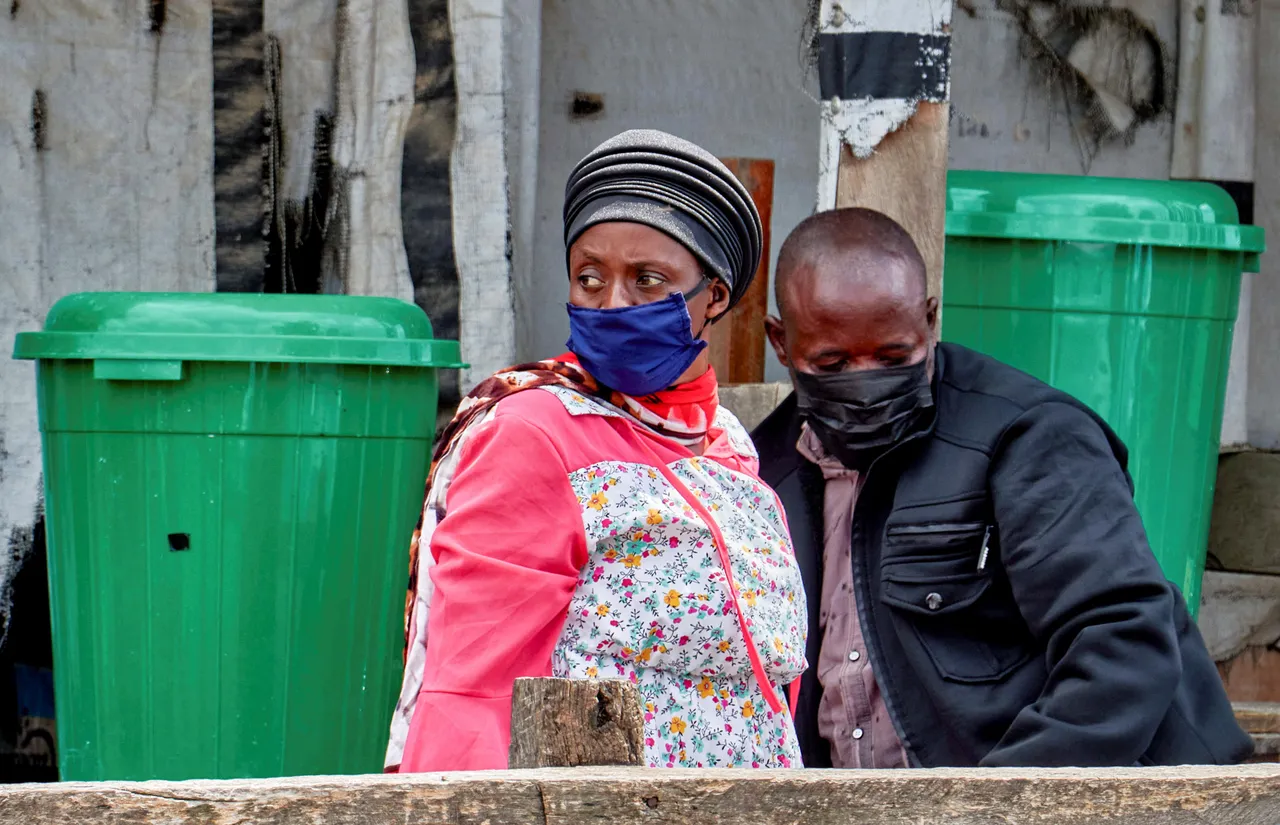
Ten African countries are at risk of being affected by the Ebola virus, in addition to the Democratic Republic of Congo and Uganda, the African Union's health agency warned on Saturday.
"We have 10 countries at risk," said Jean Kaseya, head of the Africa Centres for Disease Control and Prevention (Africa CDC), listing Angola, Burundi, the Central African Republic, the Republic of Congo, Ethiopia, Kenya, Rwanda, South Sudan, Tanzania and Zambia.
Uganda confirmed three new Ebola cases on Saturday and the Red Cross said three volunteers died in the neighbouring Democratic Republic of Congo.
The World Health Organization has declared the outbreak of the highly contagious haemorrhagic fever an international emergency.
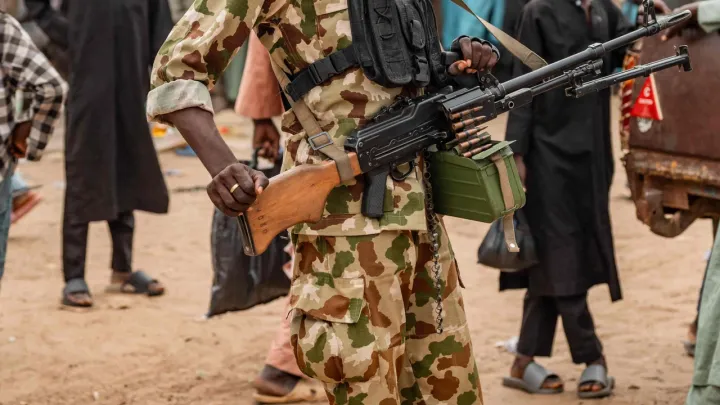
On Saturday, the head of the Africa CDC Jean Kaseya said "high mobility and insecurity" in the region were helping spread the disease.
Ebola is a deadly viral disease that spreads through direct contact with bodily fluids. It can cause severe bleeding and organ failure.
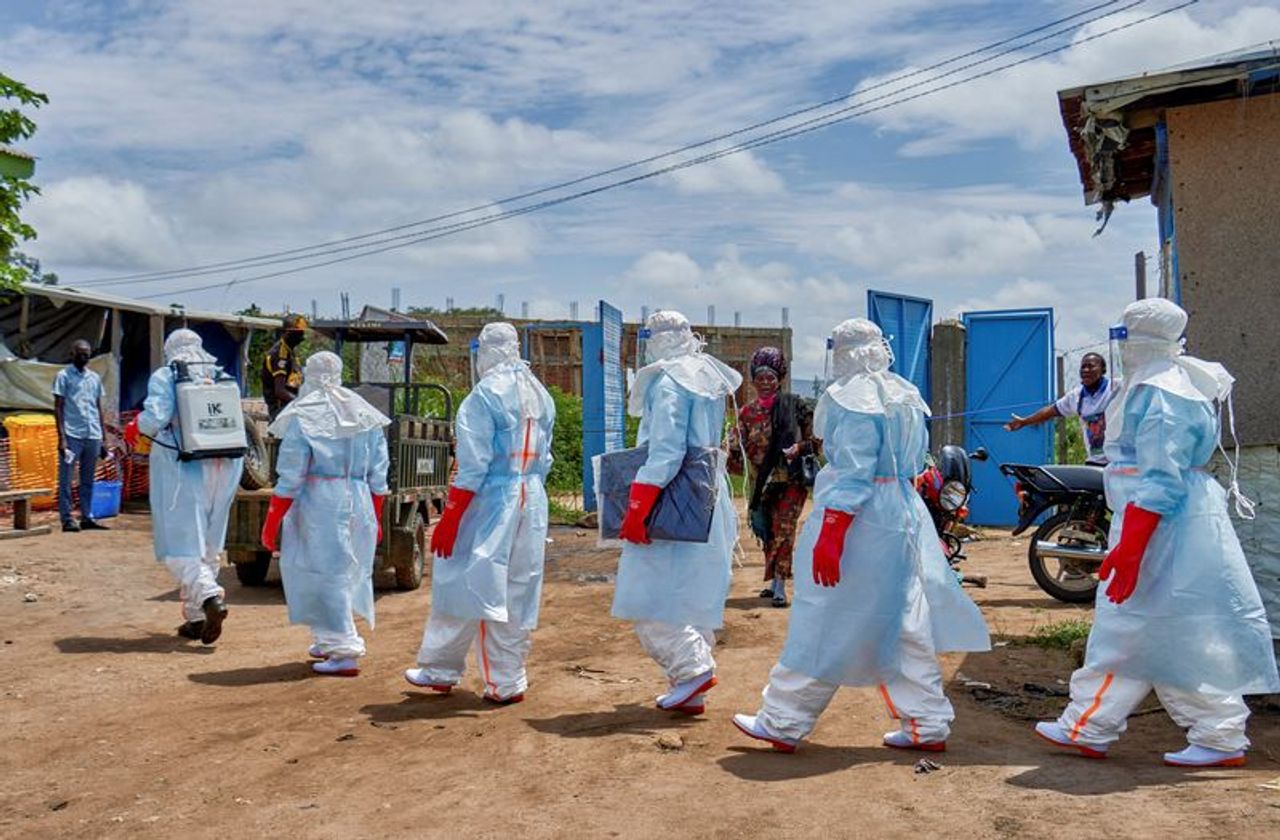
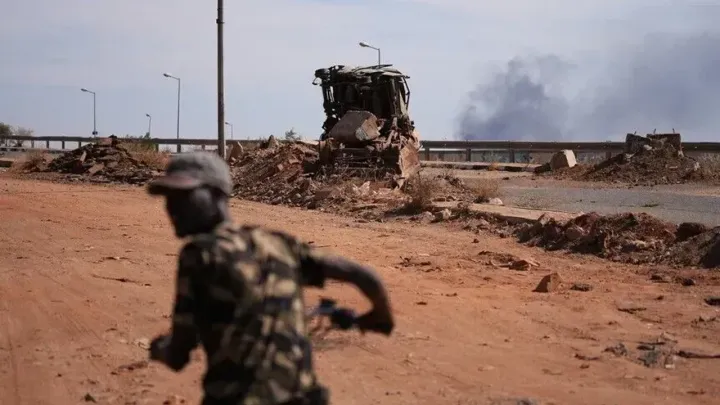


The current epidemic centres on the conflict-wracked eastern DRC, where it was detected in Ituri province before spreading to South Kivu.
There are 82 confirmed cases and seven confirmed deaths in the vast, unstable DRC, alongside almost 750 suspected cases and 177 suspected deaths, the WHO said on Friday.
Ebola has killed more than 15,000 people in Africa in the past half-century.
On Friday the WHO raised the risk from Ebola in the DRC to its highest level - "very high".
It said the risk in central Africa was "high" but the global risk remained "low".
The outbreak, which experts suspect was circulating under the radar for some time, is caused by the less common Bundibugyo strain, for which there are no approved vaccines or treatments.