Five children dance joyfully to the rhythm of African music. One has no legs. Two have no arms. Another leans on a crutch. Yet their smiles are infectious, their energy unmistakable, and their message impossible to miss.
The video, shared by Chad's National Union of Associations for People with Disabilities (UNAPHT), has resonated widely on social media. Accompanying it is a simple but powerful statement:
"A disability does not prevent anyone from dreaming, pursuing their passion, or reaching their full potential."
For UNAPHT, those words are more than an inspirational slogan—they reflect the organisation's mission to ensure that people with disabilities are not defined by their circumstances, but by their potential.
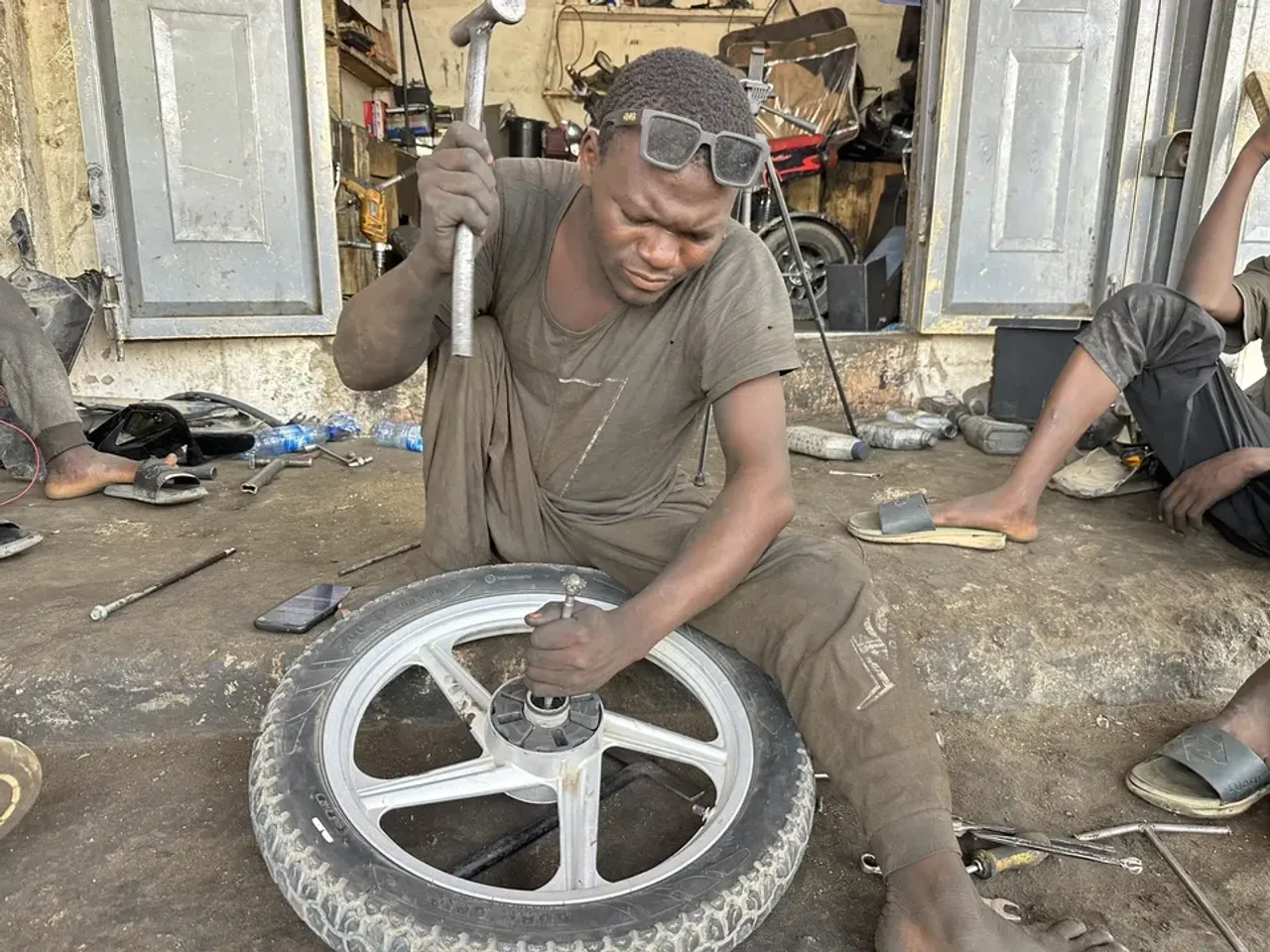
Many of the people the organisation supports are survivors of armed conflict, road accidents, disease or congenital conditions. Through advocacy, vocational training and community outreach, UNAPHT is working to replace stigma with opportunity and help people with disabilities live independent, fulfilling lives.
"We promote the rights of people with disabilities and work to ensure their protection and inclusion in society," says Djimnayel Robkedi, secretary general of UNAPHT.
"In Chad, we are working to ensure that the needs of people with disabilities are fully integrated into national development programmes."
The organisation's work spans both prevention and support. While it advocates for better healthcare to reduce preventable disabilities, it also helps people already living with disabilities gain access to education, vocational training, psychological support and employment opportunities.
Causes of disability
Understanding the causes of disability is central to that mission.
According to Handicap International, disability worldwide is linked to non-communicable and neurological diseases, mental health conditions, armed conflict, natural disasters, workplace and household accidents, as well as malnutrition and infectious diseases.
Many of these challenges are a daily reality in Chad, making collaboration between civil society organisations and government increasingly important.
One recent initiative focuses on preventing avoidable disabilities through early intervention.
"We recently launched a capacity-building programme for midwives to help them detect congenital disabilities at a very early stage," Robkedi told TRT Afrika. "Early detection is crucial because it allows children to receive appropriate care as soon as possible."
Road safety is another major concern.

The World Health Organization estimates that around 1.19 million people die each year in road traffic crashes, while 20 to 50 million more suffer non-fatal injuries, many of which result in permanent disabilities.
Beyond the devastating human cost, road crashes place a heavy economic burden on families and national economies through healthcare expenses, lost productivity and long-term care.
For UNAPHT, improving road safety goes hand in hand with expanding support for survivors.
The organisation continues to urge the Chadian government to dedicate greater budgetary resources to disability inclusion. Among its priorities are making schools and public buildings accessible, expanding vocational training programmes and strengthening psychological and social support services.
Employment remains another key pillar of the organisation's work.
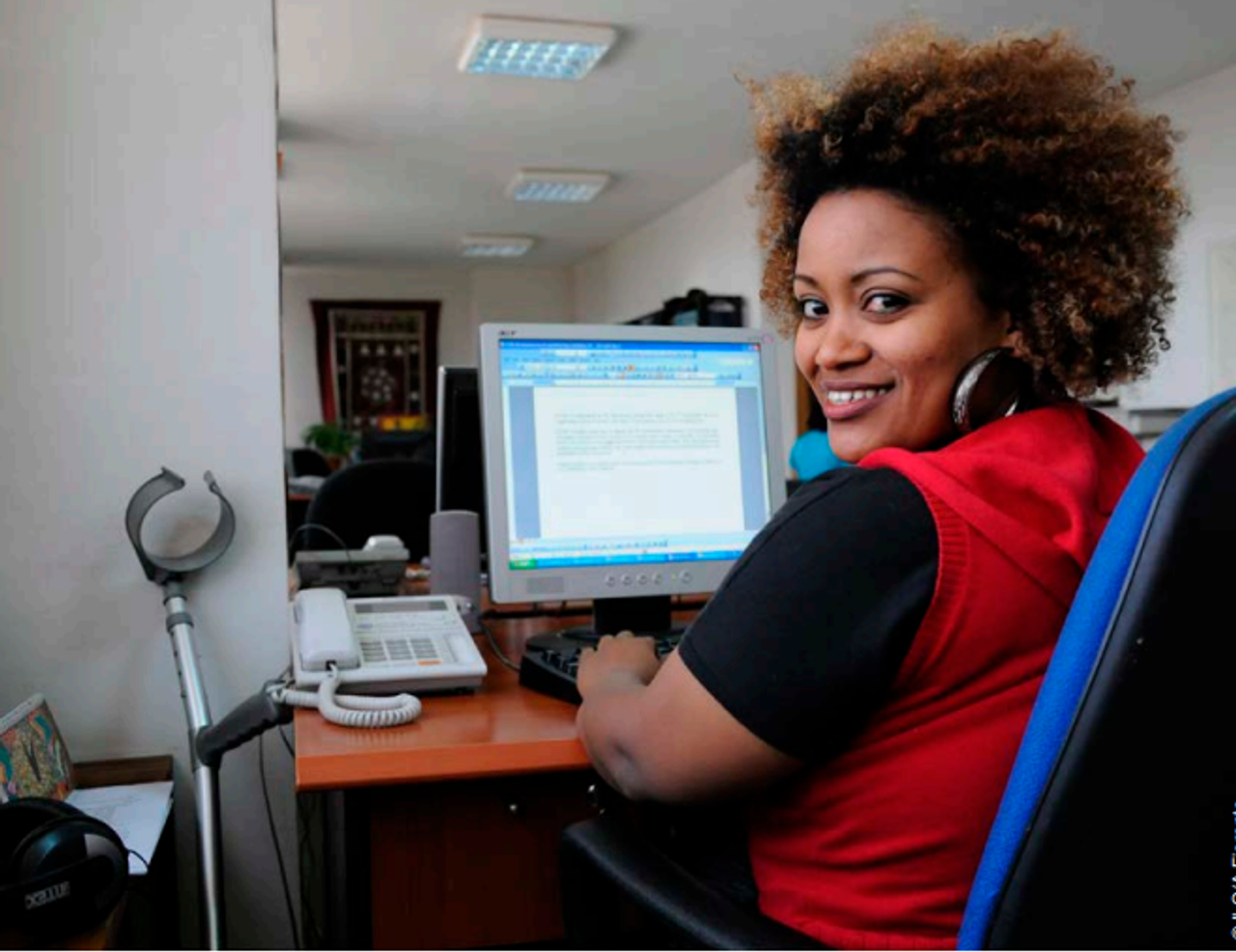
"People with disabilities, like everyone else, have the right to participate in the workforce," Robkedi says.
"We organise workshops with different institutions and raise funds to provide vocational training so that people can compete in the labour market or establish their own income-generating activities."
Psychological impact
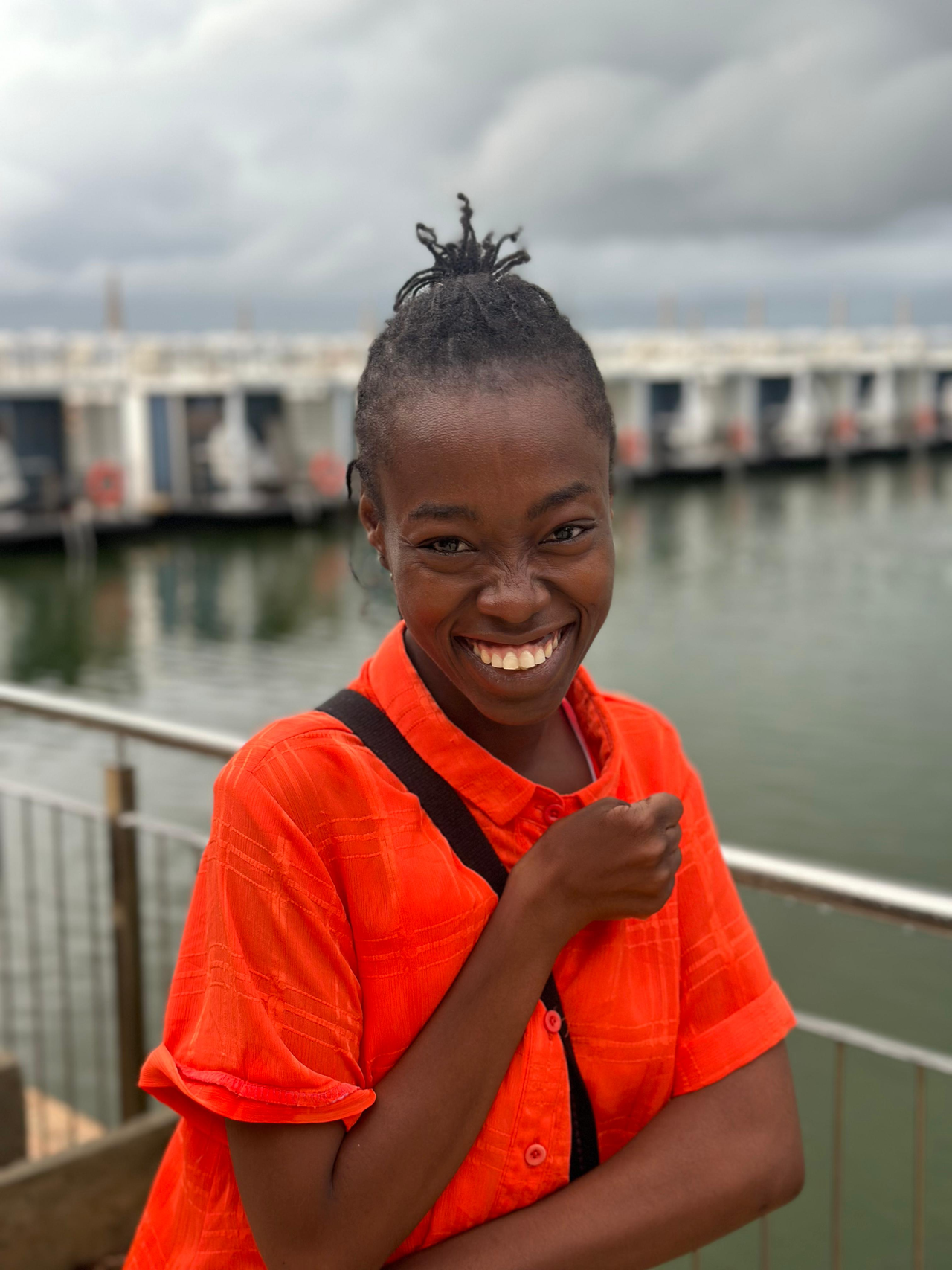
UNAPHT also places strong emphasis on restoring confidence and self-belief among people living with disabilities.
"We help people overcome the psychological impact of disability," Robkedi says, adding that changing mindsets is just as important as removing physical barriers.
Although significant challenges remain, he believes meaningful progress is being made.
One example is the creation, three years ago, of Chad's National Agency for the Protection and Promotion of the Rights of People Living with Disabilities (ANPPDH), which he sees as a sign of growing government commitment to disability rights.
Looking ahead, UNAPHT plans to continue advocating for the implementation of the Convention on the Rights of Persons with Disabilities, while also pushing for the adoption of the Protocol on the Rights of Persons with Disabilities in Africa.
Adopted in 2018, the protocol complements the African Charter on Human and Peoples' Rights by providing a continent-wide legal framework to strengthen the protection, dignity and equal participation of people with disabilities.
For UNAPHT, inclusion goes beyond accessible buildings or social assistance. It is about creating a society where disability is never a barrier to education, employment or opportunity.
Like the five children dancing with boundless joy in the opening moments of the video, the organisation believes that every person—regardless of ability—deserves the chance to dream, pursue their passions and realise their full potential.