 Prof. Mürsel Bayram
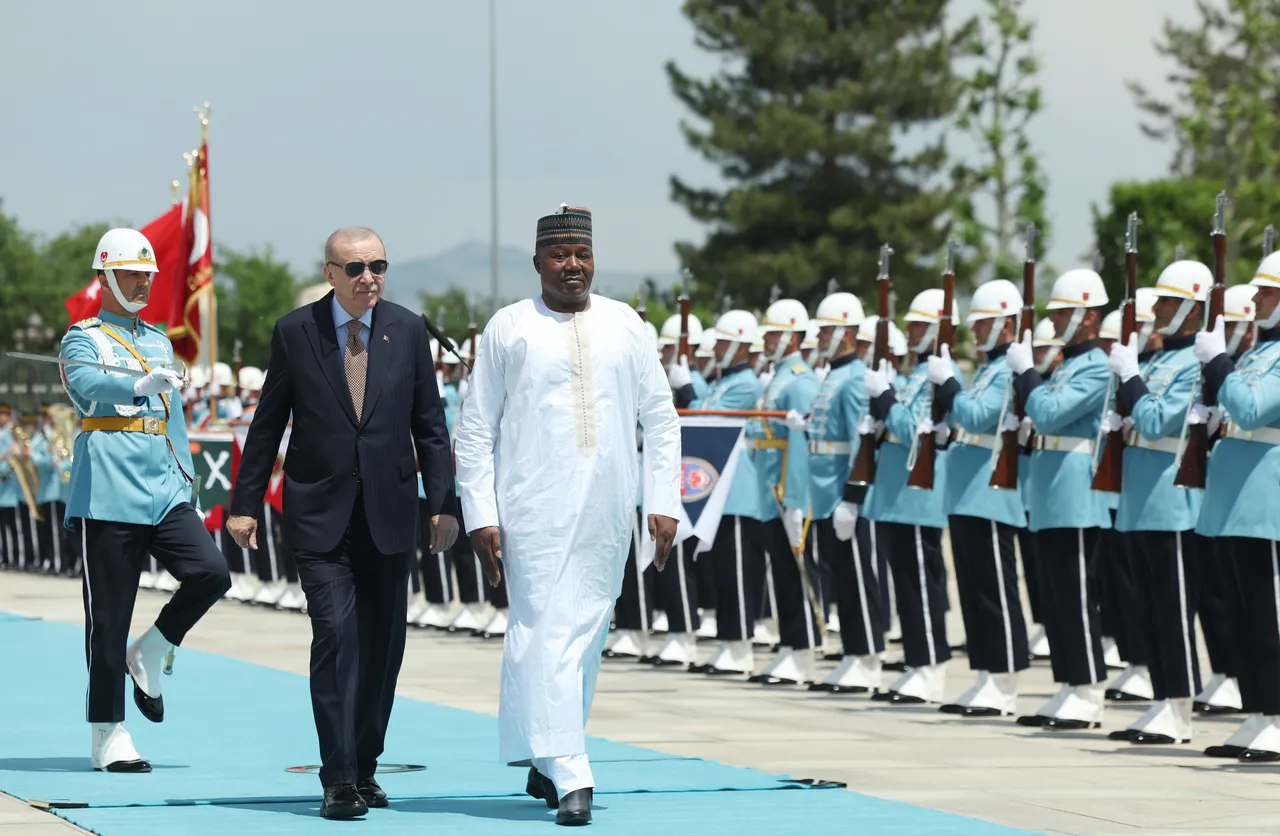
Türkiye's engagement with Africa has undergone a profound transformation over the past two decades. What began as a diplomatic and economic outreach has evolved into a multidimensional partnership encompassing trade, infrastructure, humanitarian assistance, education, security cooperation and defence industrial collaboration.
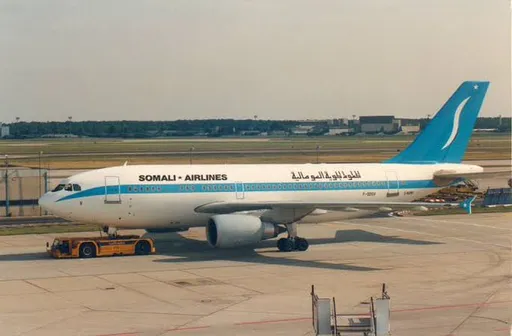
While Turkish Airlines, the Turkish Cooperation and Coordination Agency (TİKA), and construction companies initially symbolised Ankara's growing presence on the continent, it is now Türkiye's defence industry that has become one of the most visible pillars of its African engagement.
The shift reflects both Africa's changing security environment and Türkiye's emergence as one of the world's fastest-growing defence exporters.
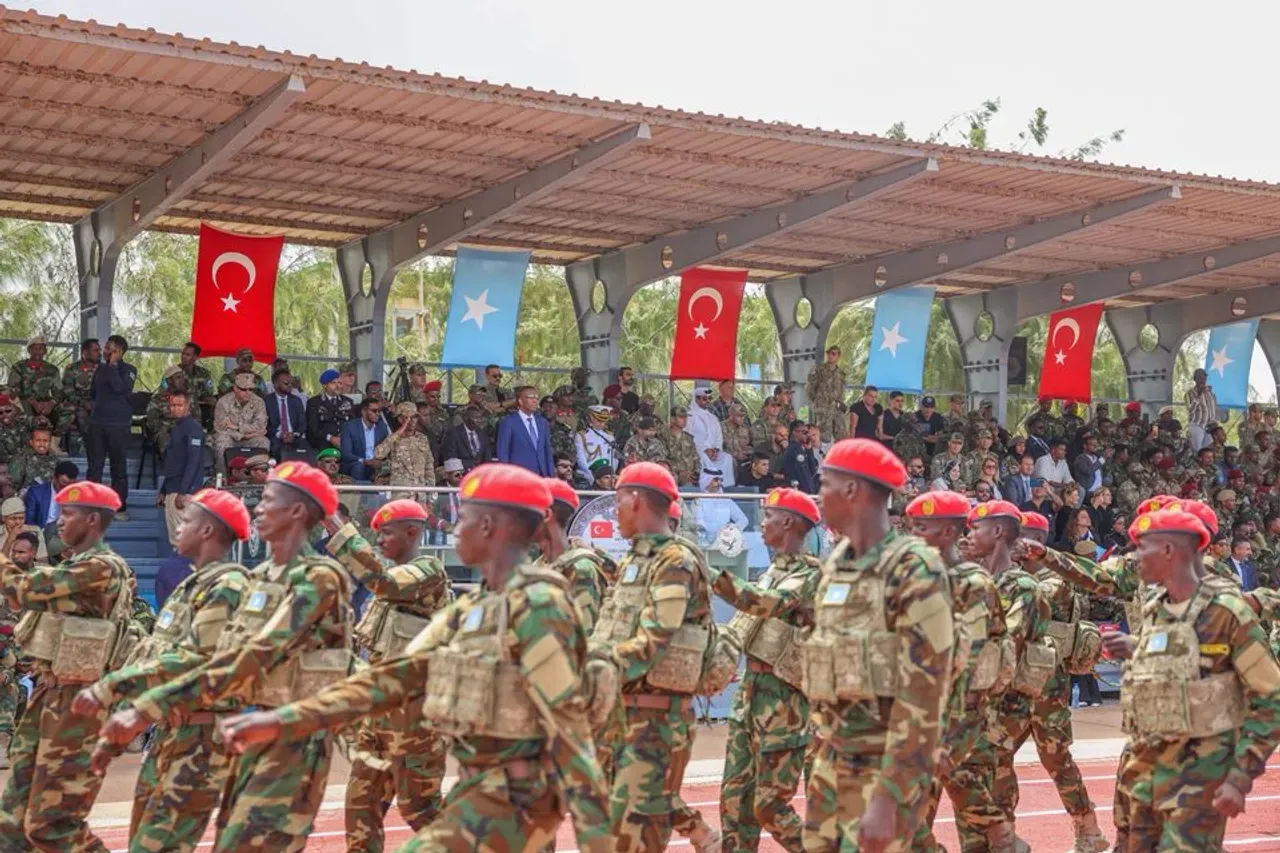
Ankara has signed defence cooperation agreements with numerous African countries, including Somalia, Libya, Kenya, Rwanda, Ethiopia, Nigeria, Ghana, Burkina Faso, Chad, Algeria, Morocco, Mali, Mauritania, Niger, Senegal and Uganda while Turkish defence firms have expanded sales of unmanned aerial vehicles (UAVs), armoured vehicles, naval platforms, communications systems and military electronics across the continent.
The growth has coincided with remarkable expansion in Türkiye's defence industrial base. Once heavily dependent on foreign suppliers, Türkiye has transformed itself into a leading producer of indigenous military technologies.
Turkish companies now manufacture combat drones, guided missiles, armoured vehicles, naval vessels, helicopters, radar systems and electronic warfare equipment that are increasingly competitive in international markets.
The sector's performance illustrates this transformation. Türkiye's defence and aerospace exports reached approximately US$10.9 billion over the latest twelve-month period, more than tripling levels recorded only a few years earlier.
Turkish defence products are now exported to around 180 countries, reflecting Ankara's ambition to become a major global supplier rather than a regional manufacturer.
Africa has become one of the regions where this transformation is most visible.
Unlike many traditional arms exporters, Türkiye presents itself not merely as a weapons supplier but as a long-term security partner.
Its engagement frequently combines defence exports with military training, technical assistance, maintenance support, institutional capacity-building and, increasingly, discussions on local production and industrial cooperation.
This broader approach has resonated with several African governments seeking to diversify their defence partnerships while strengthening domestic military capabilities.
Africa's changing security landscape
Africa's security environment has changed significantly since the early 2020s.
Armed conflicts, terror attacks and geopolitical competition have intensified across several regions. The war in Sudan has produced one of the world's largest humanitarian crises while reshaping security calculations throughout the Horn of Africa.
In the Sahel, transitional governments in Mali, Burkina Faso and Niger have redefined regional alliances following successive coups and the creation of the Alliance of Sahel States (AES).
Meanwhile, French military withdrawals from several West African countries have altered the continent's security architecture, creating opportunities for new defence partnerships.
Russia has expanded its presence through the Africa Corps, replacing the Wagner Group in several areas, while China continues to deepen military cooperation alongside its substantial economic investments.
Across East Africa, al-Shabaab remains one of the continent's most dangerous terrorist organisations despite sustained military pressure in Somalia. The Daesh's Somali affiliate has expanded its operational capabilities in Puntland, while Boko Haram and Daesh-WAP continue to pose serious threats around the Lake Chad Basin.
The Democratic Republic of the Congo remains affected by renewed fighting involving the M23 rebel group, while instability persists in parts of Mozambique despite multinational counter-terror operations.
Taken together, these developments have reinforced the importance of defence modernisation for many African governments.
Military expenditure across Africa has continued to increase, particularly among states confronting terrorism, attacks or regional instability. Beyond acquiring new equipment, governments are increasingly seeking reliable partners capable of providing long-term training, maintenance and operational support.



This changing strategic environment has created favourable conditions for Türkiye's expanding defence diplomacy.
Why African governments are turning to Türkiye
Several factors explain Ankara's growing appeal.
First, Turkish defence products have earned an international reputation for combining operational effectiveness with comparatively lower procurement and maintenance costs.
Systems such as the Bayraktar UAVs demonstrated their capabilities in multiple conflicts before being exported widely, helping establish confidence in Turkish defence technology among prospective African buyers.
Second, Türkiye generally offers fewer political conditions than many Western suppliers while avoiding some of the strategic dependencies associated with larger powers. Rather than positioning itself as an ideological actor, Ankara frequently emphasises partnership, mutual benefit and respect for sovereignty in its engagement with African governments.
Third, Turkish defence cooperation often extends well beyond hardware sales.
Military education, officer training, maintenance support, logistics, intelligence cooperation and institutional development increasingly accompany procurement agreements. This integrated model has proven attractive for governments seeking to strengthen military professionalism rather than simply acquire equipment.
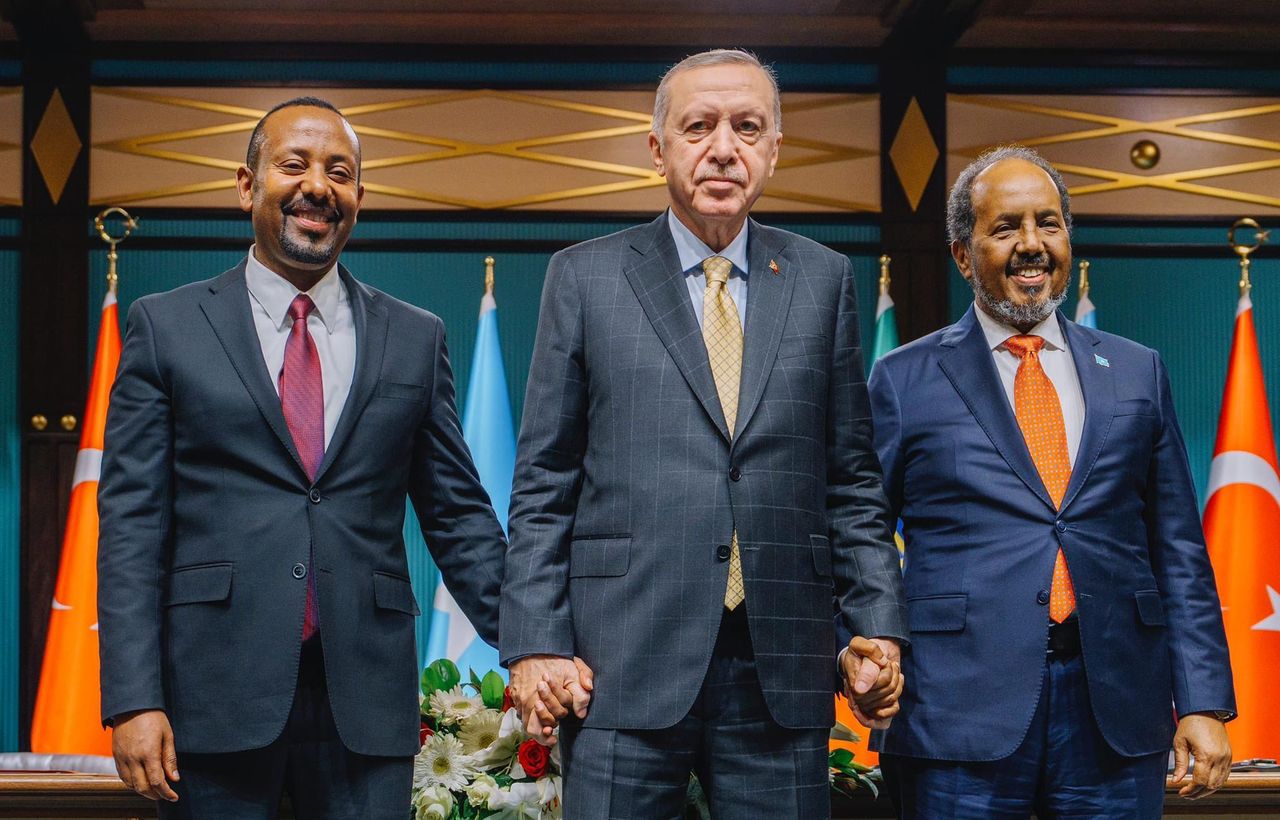
Somalia provides perhaps the clearest example of this approach.
Türkiye has spent more than a decade investing in Somalia's security institutions through military training, infrastructure development, humanitarian assistance and support for state-building.
Turkish-trained Somali forces now play an increasingly prominent role in operations against al-Shabaab, while bilateral defence cooperation has expanded into maritime security and naval capacity-building.
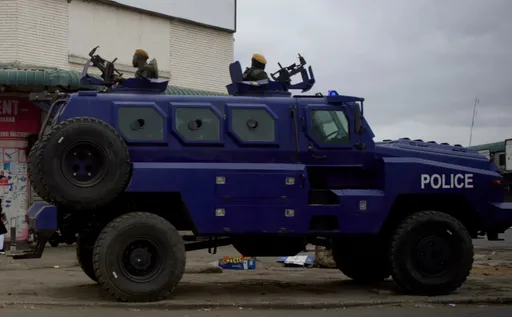
Elsewhere on the continent, Turkish companies have supplied armoured vehicles to several African militaries, while UAV exports have broadened Ankara's defence footprint in North, West and East Africa.
Defence agreements continue to expand
Defence cooperation has become an increasingly important component of Türkiye's broader Africa strategy.
Over the past decade, Ankara has concluded military cooperation agreements with numerous African governments covering defence training, logistics, intelligence sharing, procurement and industrial collaboration.
These agreements complement Türkiye's wider diplomatic expansion, which has seen the number of Turkish embassies across Africa more than triple since the early 2000s.
The continent also occupies an increasingly important place in Turkish defence diplomacy.
Senior African military officials regularly participate in major defence exhibitions held in Türkiye, including the International Defence Industry Fair (IDEF), where Turkish manufacturers showcase advances in aerospace, naval systems, electronic warfare, missiles and autonomous technologies.
Likewise, Turkish defence firms have increased their participation in African defence exhibitions, reflecting the growing importance of local partnerships and after-sales support.
For Ankara, these engagements are not simply commercial opportunities. They form part of a broader strategy aimed at positioning Türkiye as a long-term strategic partner capable of contributing to African security while expanding political and economic influence.
The next phase of Türkiye's African defence strategy will therefore depend less on individual arms sales than on its ability to build enduring military partnerships that address Africa's evolving security needs while distinguishing itself from established global suppliers.