Nigerian authorities have arrested at least eight people in recent weeks for spreading false information on social media, as officials threaten tougher penalties following a wave of misinformation linked to a recent school kidnapping.
The abductions occurred in Nigeria's southwest on May 15.
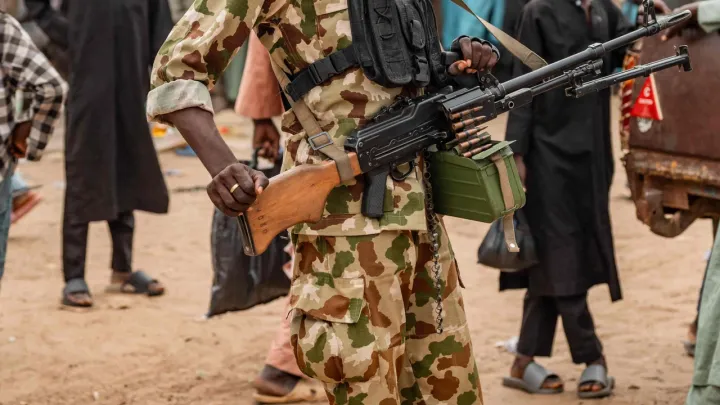
Gunmen abducted at least 46 pupils and staff in a raid on three schools in Oyo state, in what the army called a terrorist attack.
A month later, with the pupils still in captivity, false claims about the headline-dominating incident have found foothold on social media. One false claim said an abducted student had been killed.
Fifteen 'misleading' publications
"The command has responded to not less than 15 misleading publications," Oyo police spokesperson Olushola Alayande told AFP.
"A recurring pattern involves the circulation of sensational claims, recycled videos from unrelated incidents and speculative narratives presented as facts," he said.






Misinformation itself has also turned deadly.
In Lagos, the economic capital, a 24-year-old motorcyclist was killed by a mob after a false claim circulated that bandits were invading the city. Fifteen people have been arrested in connection with the incident.
President also targeted with misinformation
Nigerian President Bola Tinubu, who is seeking a second term in the January election, has repeatedly been the subject of fabricated content.
Analysts say that the approaching elections have incentivised people to amplify and distort information.
The military had to push back recently on an AI-generated video, posted to Facebook, purporting to show defence chief Olufemi Oluyede admitting to having run out of ideas to tackle insecurity.
Many of the arrests have been made under Nigeria's Cybercrimes Act, which criminalises sharing false information on social media and prescribes a three-year jail term or a fine of seven million naira (about $5,000).