 Abdirahman Jeylaani
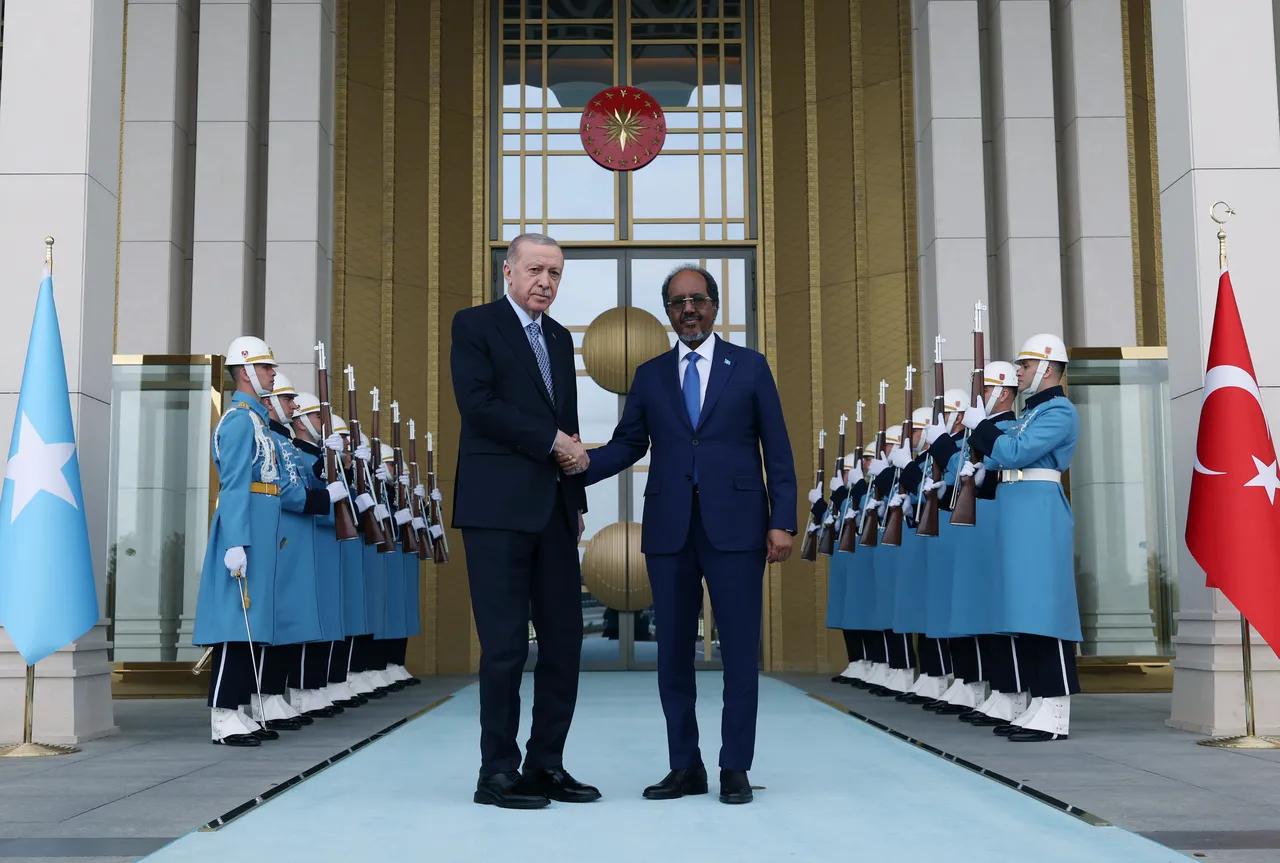
In an era defined by shifting alliances, fragile states, and contested geopolitical spaces, the partnership between Somalia and Türkiye stands out as one of the most consequential—and underappreciated—bilateral relationships in the Global South.
Far from a transactional arrangement, this cooperation has matured into a multidimensional strategic alliance spanning security, energy, infrastructure, and emerging technologies.
Recent developments in 2025–2026 underscore not only its durability but also its transformative potential for both countries and the wider Horn of Africa.
From humanitarian engagement to strategic depth
The modern phase of Somalia–Türkiye relations began with Ankara’s high-profile humanitarian intervention during Somalia’s 2011 famine. What followed was not the typical short-lived aid cycle, but a sustained state-building partnership.
Over the past decade, Türkiye has evolved into one of Somalia’s closest allies—investing in infrastructure, operating key facilities, and providing long-term institutional support.
Today, this relationship has moved decisively beyond humanitarianism. It is now anchored in strategic convergence: Somalia seeks stability, sovereignty, and economic recovery; Türkiye seeks influence, economic opportunity, and a secure foothold along critical maritime routes.
Security cooperation: Building sovereignty, not dependency
At the heart of the partnership lies an ambitious security architecture. The 2024 Defense and Economic Cooperation Framework Agreement marked a turning point, granting Türkiye a long-term role in modernizing Somalia’s armed forces.
This is not merely symbolic. Türkiye has trained thousands of Somali troops at its Mogadishu base—its largest overseas military facility—and continues to provide advanced equipment, including drones and helicopters.
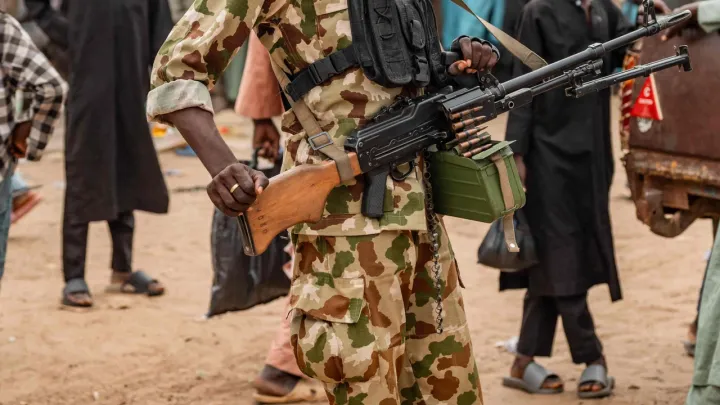
The relationship entered a new phase in 2026 with expanded Turkish air and naval support to strengthen maritime security and counterterrorism operations.
Critically, this model emphasizes capacity-building rather than permanent dependency. By strengthening Somalia’s ability to secure its own territory—land, air, and sea—it aligns with a broader principle of restoring sovereign agency in fragile states.
Economic transformation: from aid to investment
If security cooperation provides the backbone of the partnership, economic collaboration is rapidly becoming its engine.
Recent agreements in the fisheries sector illustrate this shift. A landmark 2025 deal aims to unlock Somalia’s vast marine resources, curb illegal fishing, and generate significant revenue in the coming years.
More importantly, the creation of joint institutional mechanisms signals a move toward structured, rules-based economic governance rather than ad hoc arrangements.
Parallel efforts are underway in port development and maritime infrastructure, positioning Somalia as a future hub in the Indian Ocean economy.
While critics have raised concerns about equity and control in some agreements, the broader trajectory is clear: Somalia is transitioning from aid dependence to resource-driven growth, with Türkiye as a key partner.

Energy and the blue economy: A shared frontier



Perhaps the most consequential dimension of recent cooperation lies in energy and natural resources.
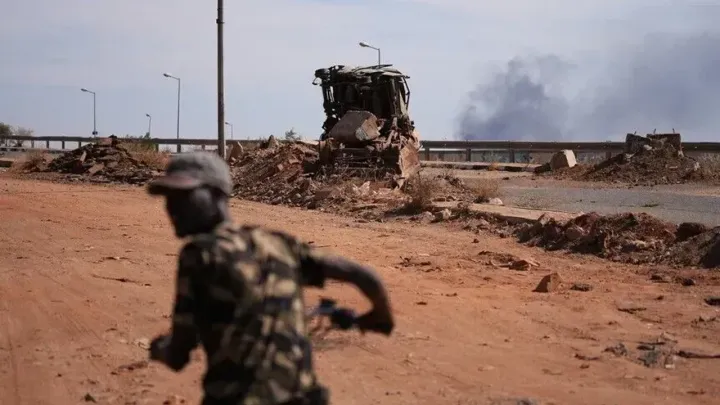
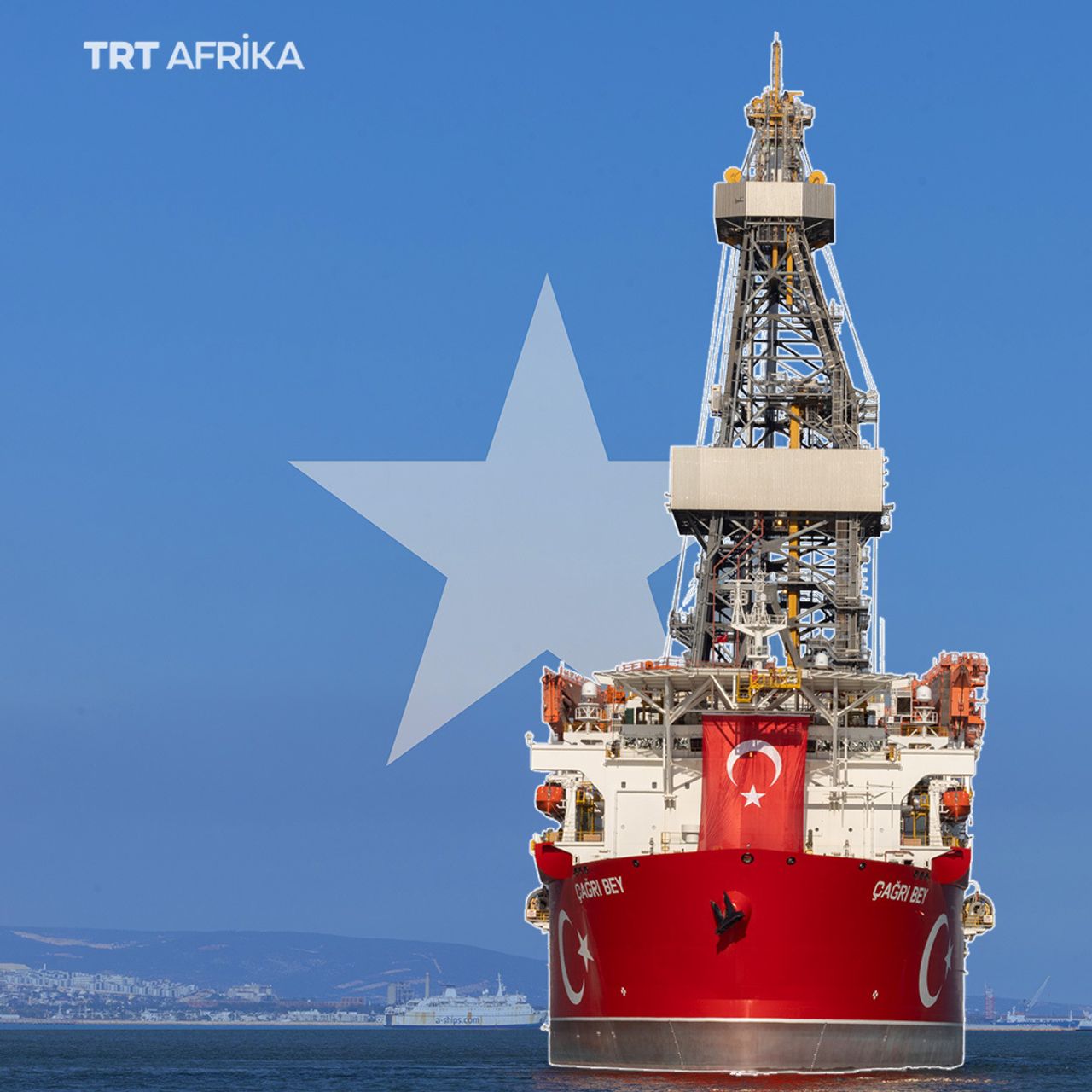
Following a 2024 hydrocarbons agreement, Türkiye is preparing to launch offshore oil and gas exploration in Somalia in 2026—its first such overseas venture. Seismic surveys and exploratory operations are already underway, supported by Turkish maritime protection.
For Somalia, this represents a historic opportunity to monetize its natural resources and finance long-term development. For Türkiye, it offers diversification of energy sources and a strategic foothold in a resource-rich but underexplored region.
This alignment of interests—economic for Somalia, strategic for Türkiye—illustrates a rare case of mutually reinforcing objectives in international partnerships.
Diplomacy and regional stability
Beyond bilateral gains, the Somalia–Türkiye partnership has begun to shape regional diplomacy.
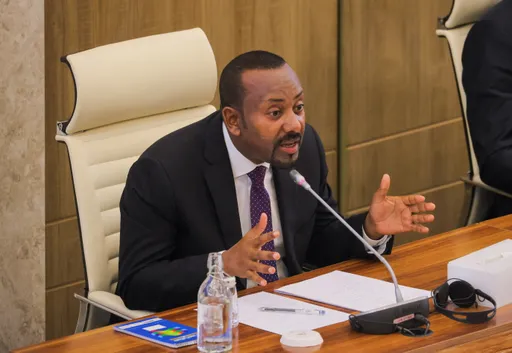
Türkiye has played a mediating role in Horn of Africa disputes, including facilitating dialogue between Somalia and Ethiopia. At a time of heightened tensions—such as controversies over Somaliland’s status—Ankara has consistently affirmed Somalia’s territorial integrity, reinforcing Mogadishu’s diplomatic position.
This diplomatic backing is not trivial. In a region where external interventions often exacerbate fragmentation, Türkiye’s approach has emphasized state sovereignty and negotiated solutions.
Emerging frontiers: Technology and innovation
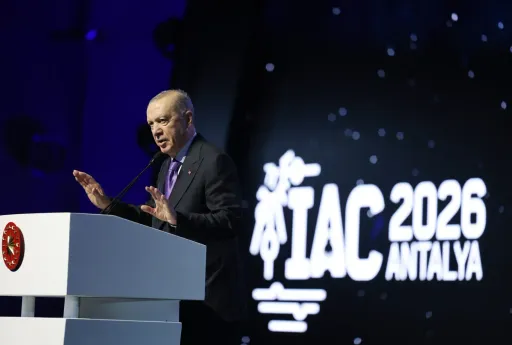
The partnership is also expanding into forward-looking domains. Agreements now include cooperation in emerging technologies, alongside ambitious ideas such as leveraging Somalia’s geographic advantages for advanced infrastructure projects.
While still in early stages, these initiatives signal a shift from traditional development paradigms toward innovation-driven collaboration—positioning Somalia not just as a recipient of aid, but as a participant in future industries.
A model worth studying
The Somalia–Türkiye relationship is not without complexities. Questions around transparency, resource governance, and long-term balance must be addressed to ensure sustainability. Yet focusing only on these concerns risks missing the larger picture.
What distinguishes this partnership is its breadth, depth, and adaptability. It integrates security, economic development, diplomacy, and technology into a coherent framework—one that evolves with changing realities.
At a time when many external engagements in Africa are criticized as extractive or short-term, the Somalia–Türkiye model offers an alternative: a long-horizon partnership built on mutual strategic interests, institutional development, and shared risk.
Conclusion: toward a new paradigm of cooperation
As global power centers shift and new alliances emerge, Somalia and Türkiye are quietly redefining what effective foreign policy cooperation can look like.
Their partnership demonstrates that even in fragile contexts, it is possible to move beyond aid dependency toward genuine strategic alignment. If managed wisely, this cooperation could not only transform Somalia’s trajectory but also serve as a blueprint for engagement across the Global South.
In a fragmented world, such models are not just valuable—they are necessary.
The author, Abdirahman Jeylaani, is a Somali journalist based in Mogadishu, foreign policy commentator and communications specialist.
Disclaimer: The views expressed by the author do not necessarily reflect the opinions, viewpoints and editorial policies of TRT Afrika.