The International Monetary Fund approved a new financial support package for Liberia worth about $266 million, with an immediate disbursement of roughly $26.49 million to support the country’s ongoing economic reforms and resilience efforts.
The IMF Executive Board endorsed a 21-month arrangement under its Resilience and Sustainability Facility, alongside the completion of the third review of Liberia’s existing Extended Credit Facility programme.
Liberia’s broader reform programme is aimed at restoring macroeconomic stability, maintaining debt sustainability, strengthening financial systems, and improving governance, the IMF says.
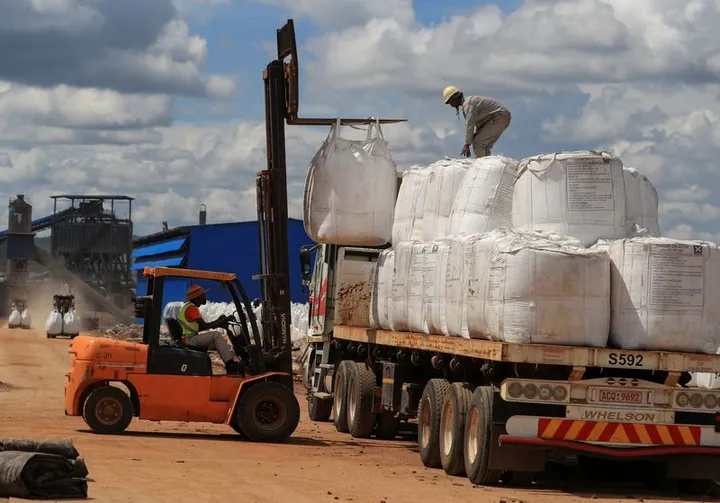
Recent economic data show growth accelerated to 5.1% in 2025, driven largely by increased mining activity, while the political environment has remained supportive of reforms under the government’s ARREST Agenda for Inclusive Development.
Extended Credit Facility
Following the Board’s decision, Deputy Managing Director of the IMF, Bo Li, said, “The authorities have maintained sound macroeconomic policies and made some progress on structural reforms under the Extended Credit Facility (ECF) arrangement.
“Economic performance has been robust. At the same time, deteriorating global conditions have increased downside risks, particularly due to elevated oil prices and a decline in bilateral assistance.”







He noted that fiscal adjustments have helped reduce debt vulnerabilities, with spending reforms allowing the government to channel more resources into priority investment projects and key social programmes. However, he stressed that further progress is still required.
“To mitigate the impact of elevated oil prices, the authorities have introduced temporary and targeted subsidies to support public transportation. The recently adopted supplementary budget will allow for higher allocation to social spending while preserving fiscal discipline,” Li said.
Tax reforms
The IMF also highlighted Liberia’s plans to strengthen domestic revenue through the introduction of value-added tax in 2027, reforms in mining taxation, and the reduction of tax exemptions. These measures are expected to support funding for national priorities under the Agriculture, Roads, Rule of Law, Education, Sanitation and Tourism agenda.
On monetary policy, the Central Bank of Liberia is expected to remain cautious in response to global economic pressures, particularly rising oil prices, while continuing efforts to strengthen the banking sector. This includes enforcing restructuring plans and reducing non-performing loans to boost private sector lending.
Li added that strengthening anti-corruption measures will be key to improving transparency and accountability.
The newly approved Resilience and Sustainability Facility is also expected to support Liberia’s climate adaptation initiatives and improve preparedness for future pandemics, while helping attract additional international financing and reducing balance-of-payment risks.