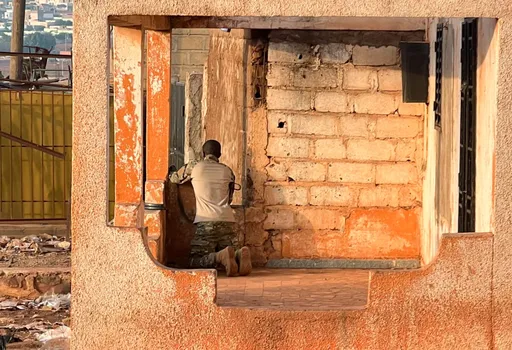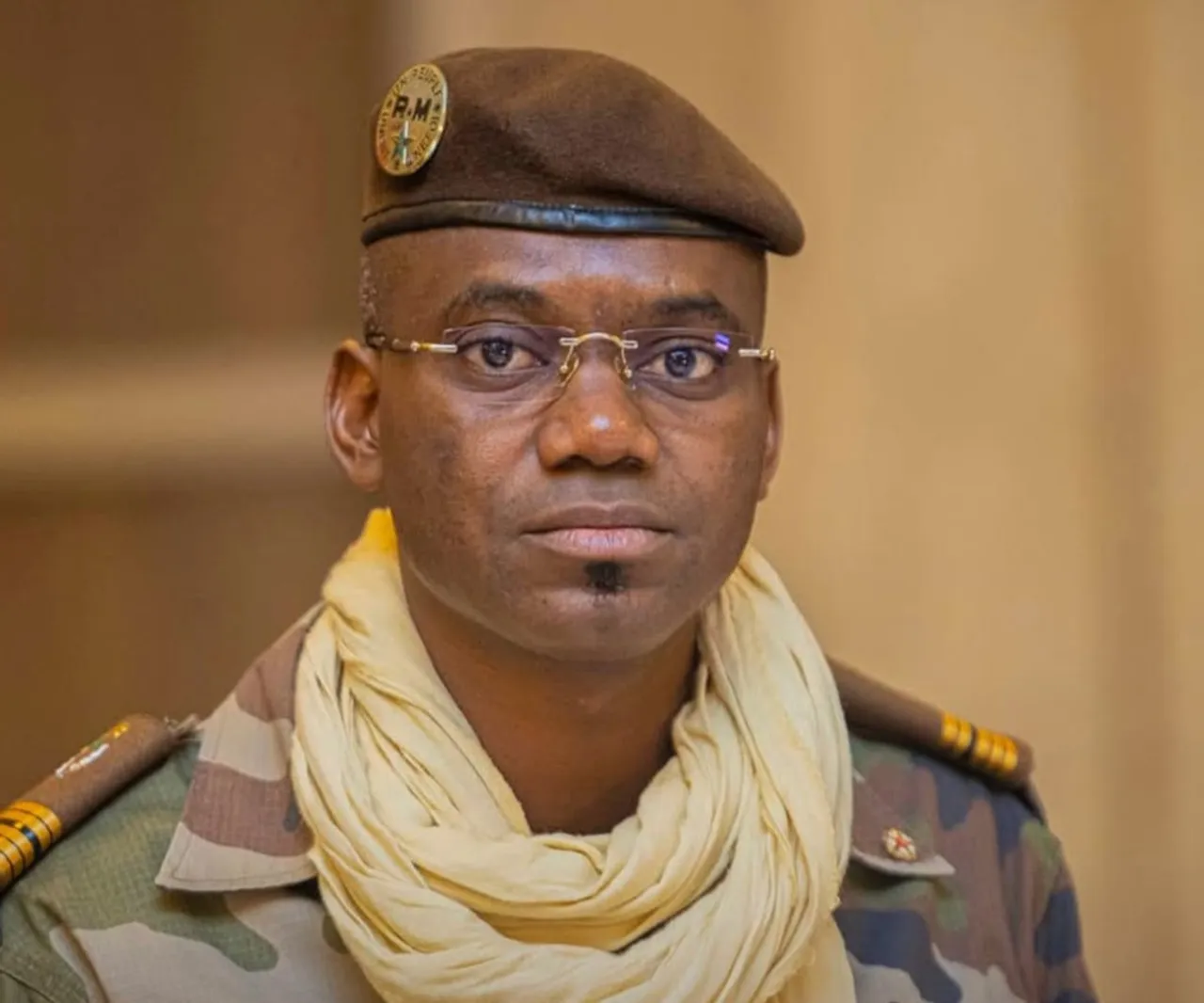
The government of Mali has given details about how the country’s Defence Minister Sadio Camara was killed, saying he died from injuries he sustained during an exchange of gunfire with the terrorists who attacked his home.
In an official statement read out on national television by the Minister of Territorial Administration and Decentralisation, Brigadier General Issa Ousmane Coulibaly, who is also the government spokesperson, the transitional government said a suicide attacker driving a car detonated a vehicle-borne explosive device (VBIED) targeting the minister’s residence in Kati, a key military town near the capital Bamako.
Camara reportedly engaged in a firefight with the assailants and managed to ‘‘neutralise’’ several of them before being seriously wounded. He was evacuated to a hospital, where he later died of his wounds.
The government added that the collapse of the minister’s residence caused additional casualties and led to the destruction of an adjacent mosque, resulting in the deaths of several worshippers inside.
“In this painful circumstance, Gen Assimi Goita, president of the transition, head of state and supreme commander of the Armed Forces, the government and the Malian people, extend their most heartfelt condolences to the family of the deceased,” the statement said.
Condolences were also extended to all civilian and military victims of the 25 April attacks.
Morning routine
Earlier, witnesses who requested anonymity said the minister may have been engaged in his early morning routine at the time of the attack.
“He used to go jogging early, and after that, he would head to the mosque near his house for the dawn prayer,” one resident said.
It remains unclear whether he was at his residence or heading to the mosque at the time of the attack.
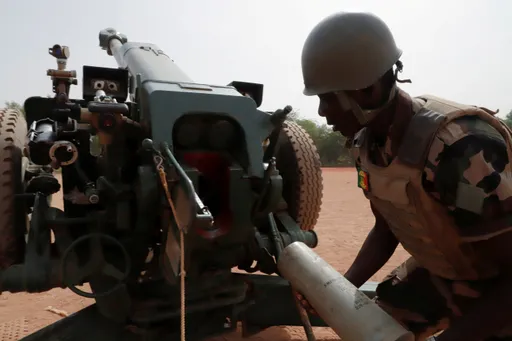
The attack occurred as part of a broader wave of coordinated assaults targeting military and strategic positions across Mali. The armed forces said operations are ongoing in Bamako, Kati and other areas to track down those responsible, adding that many terrorists have been “neutralised.”
Kati, located about 15 kilometres from Bamako, is one of the country’s most important military strongholds and has historically played a central role in Mali’s political and security landscape.

Camara’s military career
Born in 1979, Camara was a career military officer who rose through the ranks of the Malian armed forces. He received part of his military training in Russia, shaping defence ties that later influenced Mali’s strategic orientation.
He became a prominent figure following the 2020 military coup that overthrew then President Ibrahim Boubacar Keita and served as minister of defence during the transition. He was reappointed after the 2021 another military takeover that brought Assimi Goita to power.
As defence minister, Camara was considered a key architect of Mali’s security strategy against armed groups, overseeing military reforms and a shift in international partnerships. His tenure coincided with the withdrawal of foreign forces, including French troops and the United Nations peacekeeping mission.
His death marks a significant development for Mali’s military leadership as the country continues to face persistent security challenges.
Army Chief of Staff Gen Oumar Diarra said on national TV that in the wake of Camara’s killing, that terrorists orchestrated more than 20 attacks across the country.
He said Malian forces neutralised more than 200 terrorists and recovered a significant amount of military equipment.
Citizens urged to remain calm
Diarra described the counter-offensive as appropriate and proportionate, with operations carried out in nearly all the attacked localities. He noted that terrorists are now wearing military uniforms to infiltrate civilian populations and resupply near towns and villages.
He said in the Kidal region, Malian forces have been adapting and repositioning, particularly around the village of Anefis. The overall strategy involves strengthening defensive positions in both affected and unaffected localities while maintaining high flexibility and adaptability in operations.
Diarra added that the terrorists’ main objective is to destabilise the country through continuous pressure on local communities and supply routes.
In his message to the population, he urged citizens to remain calm and allow the defence and security forces to carry out their mission.
He warned against spreading or believing rumours and false information, advising the public to rely solely on official communiques from the General Staff of the Armed Forces. He also called on people to report any suspicious activity to the security forces.