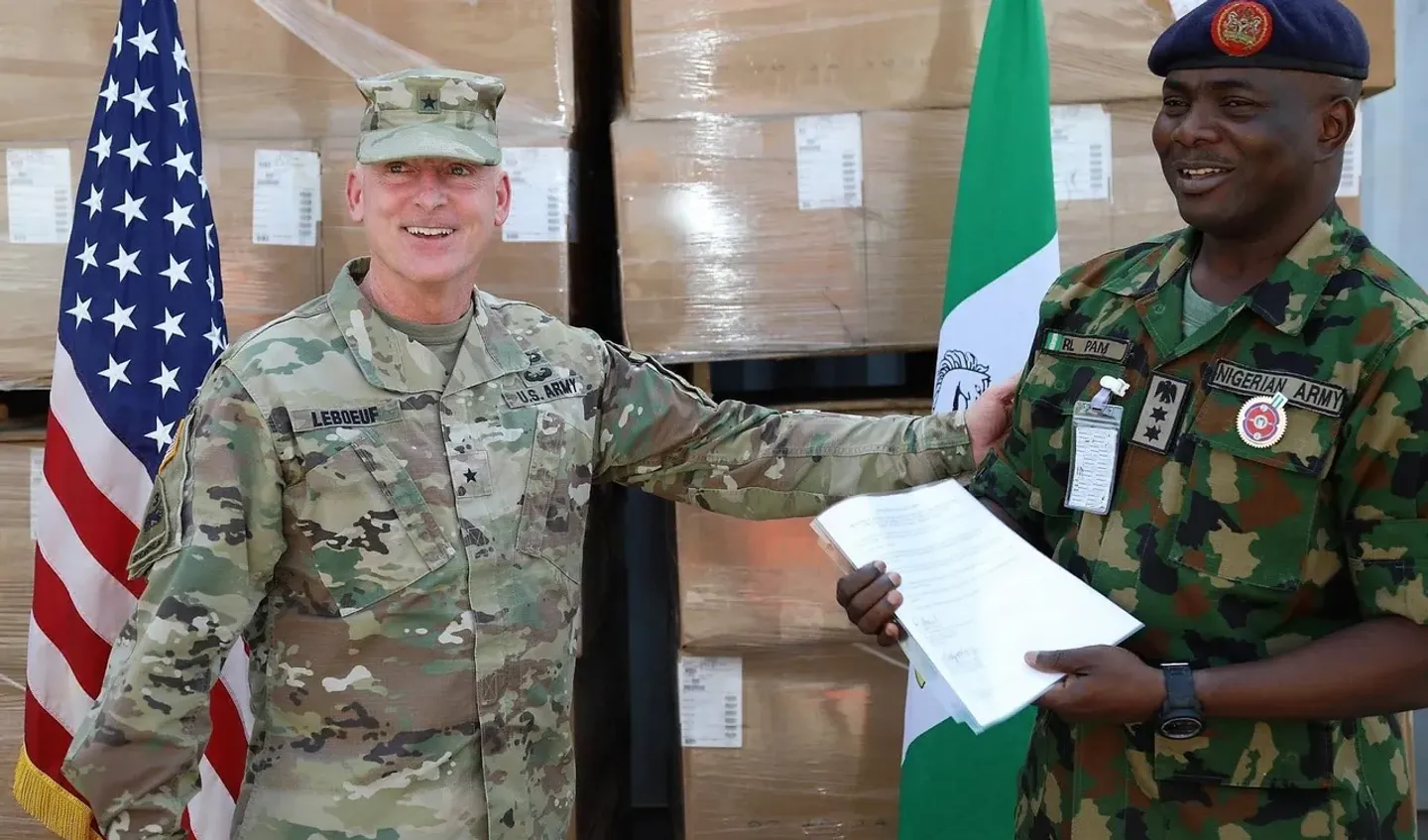
Nigeria's military said Tuesday that the withdrawal of US troops involved in a joint counterterrorism operation in the Lake Chad Basin followed the completion of their assignment and did not signal a change in broader security cooperation between the two countries.
The clarification came amid reports that Washington was withdrawing about 200 troops from Nigeria following a counterterrorism operation targeting Islamic State militants in the Lake Chad region.
Nigeria's Defence Headquarters said the forces being withdrawn were separate from US personnel deployed to the country for intelligence sharing, training and other forms of security cooperation.
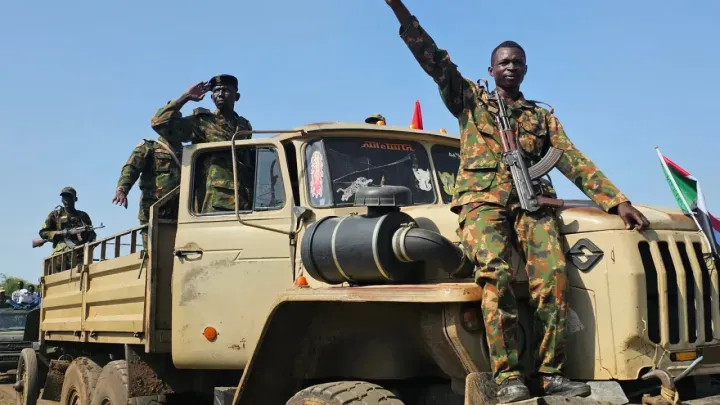
Director of Defense Information Maj. Gen. Samaila Uba said the US-Nigeria security partnership remained unchanged.
“The partnership between Nigeria and the US is unchanged, with key information sharing ongoing,” Uba told journalists at a security briefing organized by the National Counter Terrorism Centre (NCTC).
He said US forces deployed specifically for the Lake Chad operation were intended to remain only for the duration of the mission.
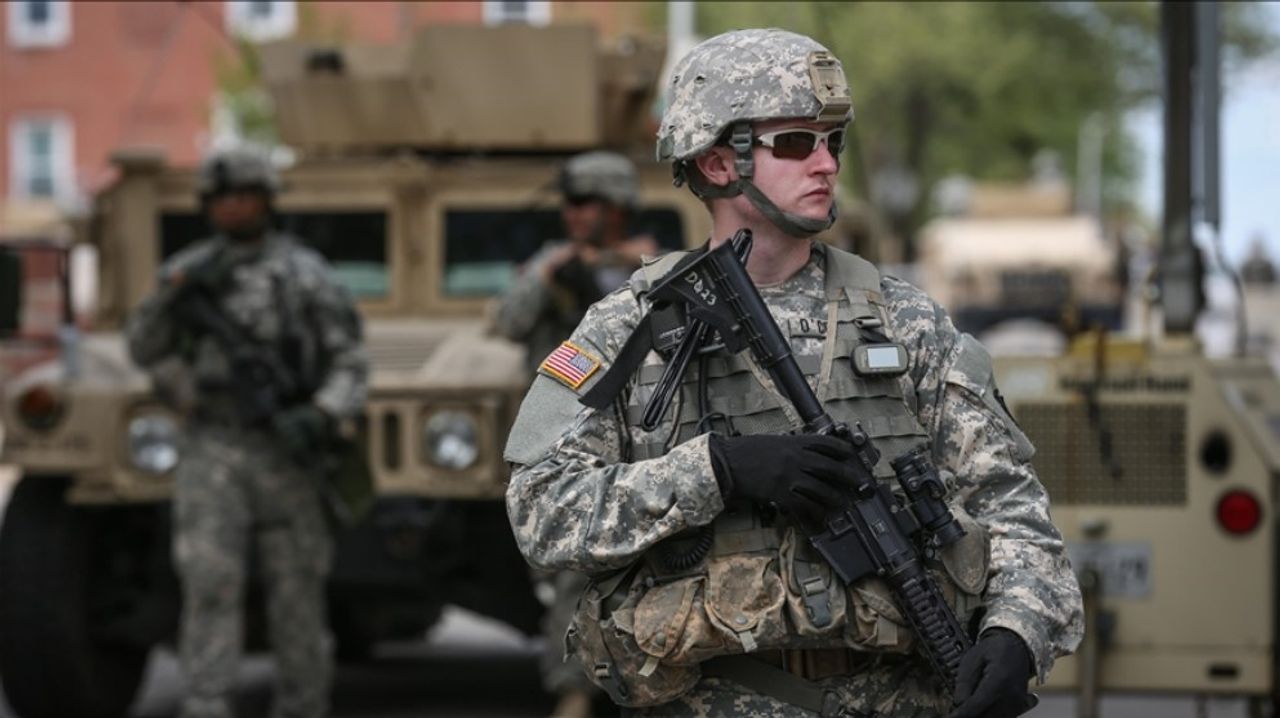
“Those forces are intended for short periods of time only,” he noted.

‘Work closely together’
Uba added that additional US personnel and capabilities could be deployed whenever specific operational requirements arose.
“Nigeria and the US continue to work closely together to disrupt and eliminate shared threats, and that remains unchanged,” he said.
The clarification followed comments by Gen. Dagvin R.M. Anderson, commander of US Air Forces in Africa, who said the US had withdrawn much of the force deployed for the Lake Chad operation while continuing intelligence cooperation with Nigeria.
The US deployment began in February as both countries expanded cooperation against Daesh and Boko Haram terrorists and associated networks.
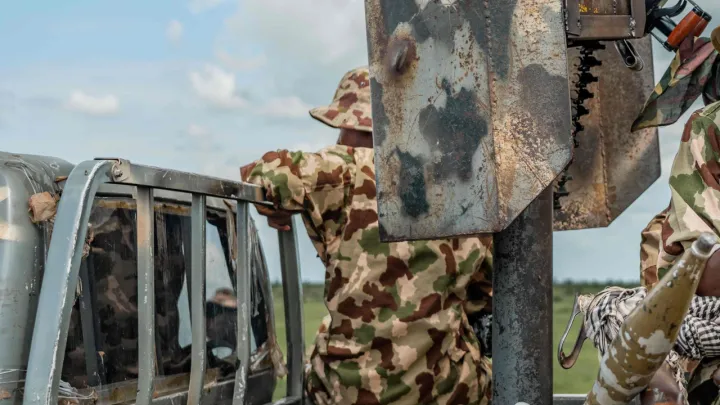
US officials have described the operation as successful, while Nigerian authorities have stressed that American personnel were primarily supporting intelligence, training and specialised counterterrorism capabilities, rather than taking over frontline combat operations.
The withdrawal is expected to be completed by late September, although smaller teams of US trainers and intelligence personnel are expected to remain in Nigeria.