Türkiye’s Ministry of National Defence has criticised Israel over its military offensives in the region, accusing it of violating the territorial integrity of Syria and Lebanon and undermining regional and global stability.
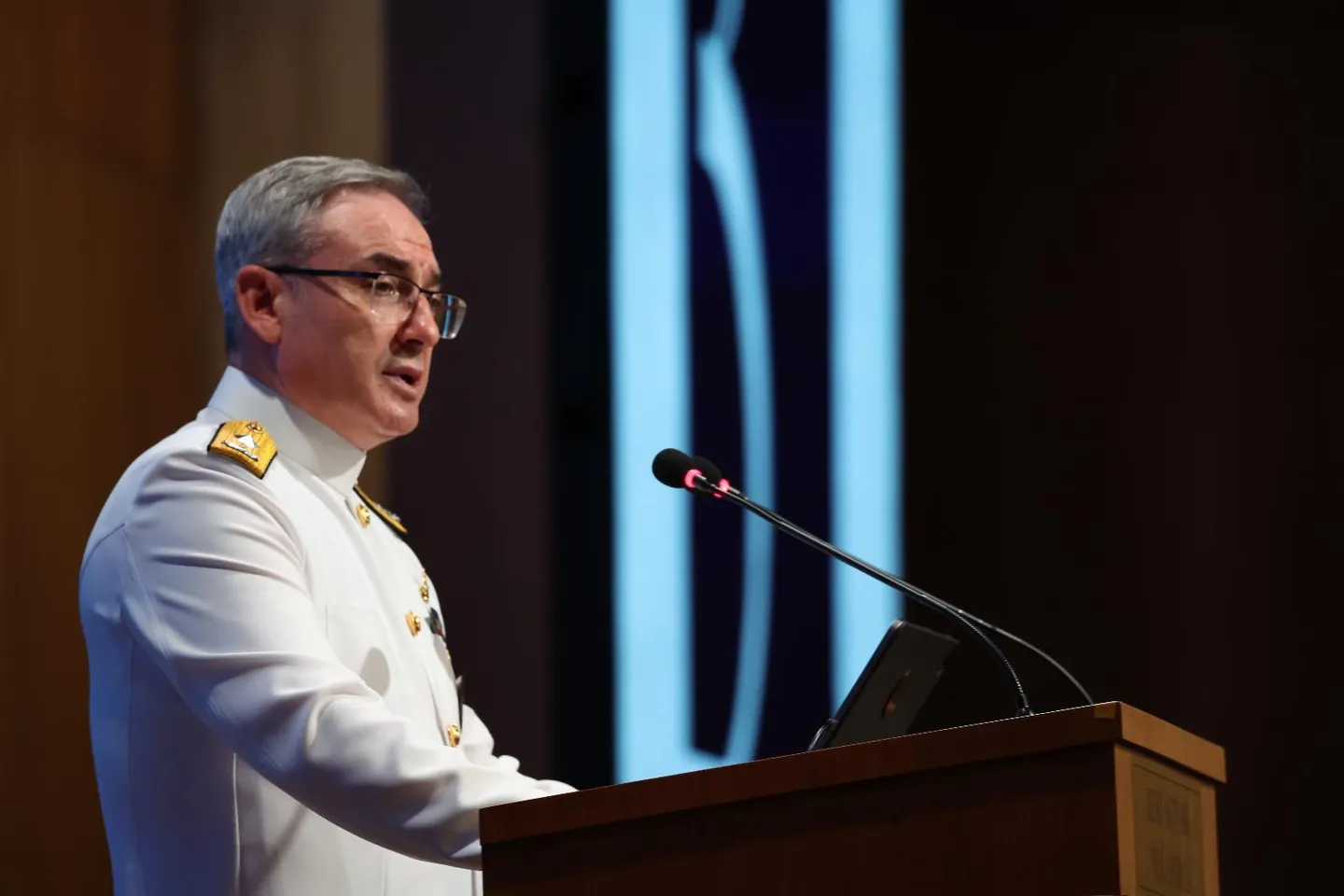
Speaking at the ministry’s weekly press briefing at the Ozdemir Bayraktar National Technology Centre, Rear Admiral Zeki Akturk said Israel was continuing to encourage what he described as “illegal settler terrorism” in Palestine and carrying out provocative actions that violate the historical and legal status of Muslim holy sites in occupied East Jerusalem.
According to Akturk, Israel’s policies were damaging not only regional peace and security but also global stability, while further weakening confidence in international law among populations across the region.
Türkiye would continue its efforts to promote peace and stability, Akturk said, while calling on the international community to take concrete and effective measures against what he described as Israel’s “expansionist and genocidal” approach.
Ankara rejects claims over foreign SDF members
The ministry also rejected reports that foreign members of the terror group YPG-led SDF would leave Syria and that some of them would subsequently travel to Türkiye.
In a statement issued following the briefing, the ministry said it was closely monitoring developments related to the process aimed at preserving Syria’s territorial integrity and strengthening the principle of “one state, one army”.
“Claims that foreign SDF members will leave Syria and that some of them will come to Türkiye do not reflect the truth,” the ministry said.
It urged the media and public to disregard reports and commentary on the issue that fall outside the ministry’s official statements.
Türkiye and Syria complete second floating bridge
Akturk said Türkiye and Syria were continuing their efforts to contribute to stability and the normalisation of daily life in Syria.
A second floating bridge over the Euphrates River, jointly constructed by the Turkish and Syrian armed forces, was completed on 30 August, he said.
The bridge replaces a crossing that was previously destroyed by flooding and is expected to facilitate transport between the two banks of the Euphrates.
Akturk described the project as a tangible demonstration of cooperation and solidarity between the armed forces of Türkiye and Syria.
Eurofighter pilot training to begin on 7 September


Akturk said procurement activities for Eurofighter Typhoon jets were continuing with the United Kingdom to meet the operational requirements of the Turkish Air Force.
The ministry said Turkish pilots had begun training in August as part of the procurement programme.
Pilots who have completed their terminology training are scheduled to begin flight training on 7 September 2026. The flight training will last eight months, followed by three months of instructor pilot training.
Turkish pilots will continue to be sent to the UK for training in successive groups, according to the ministry.
Somali authorities rescue hijacked vessel
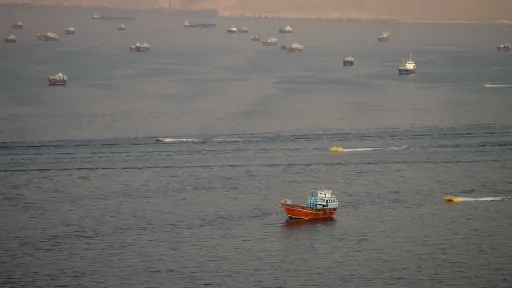
The ministry also provided an update on a vessel seized by pirates in Somali territorial waters.
It said Türkiye had provided the necessary support to Somali authorities in coordination with the Turkish Foreign Ministry and within the framework of agreements between the two countries.
Following an operation conducted by Somali authorities, the pirates left the vessel and the ship was successfully recovered, the ministry said.
Türkiye, Pakistan and Saudi Arabia deepen defence cooperation
The ministry also outlined the structure of the Mecca Defence Alliance involving Türkiye, Pakistan and Saudi Arabia.
Defence and foreign ministers, together with chiefs of general staff from the three countries, met in Istanbul on 31 August to discuss steps towards giving cooperation under the alliance a more institutional structure.
The three countries agreed to establish a secretariat in Saudi Arabia headed by a secretary-general. The position will rotate among the three countries, with Pakistan providing the first secretary-general for a three-year term.
The alliance is expected to focus on joint military planning, training and exercises, as well as improving interoperability among the three armed forces.
Defence industry cooperation will include joint production, technology development and the exchange of expertise.
The ministry said the mechanisms would strengthen the alliance’s defence capabilities and deterrence while contributing to regional peace and stability.