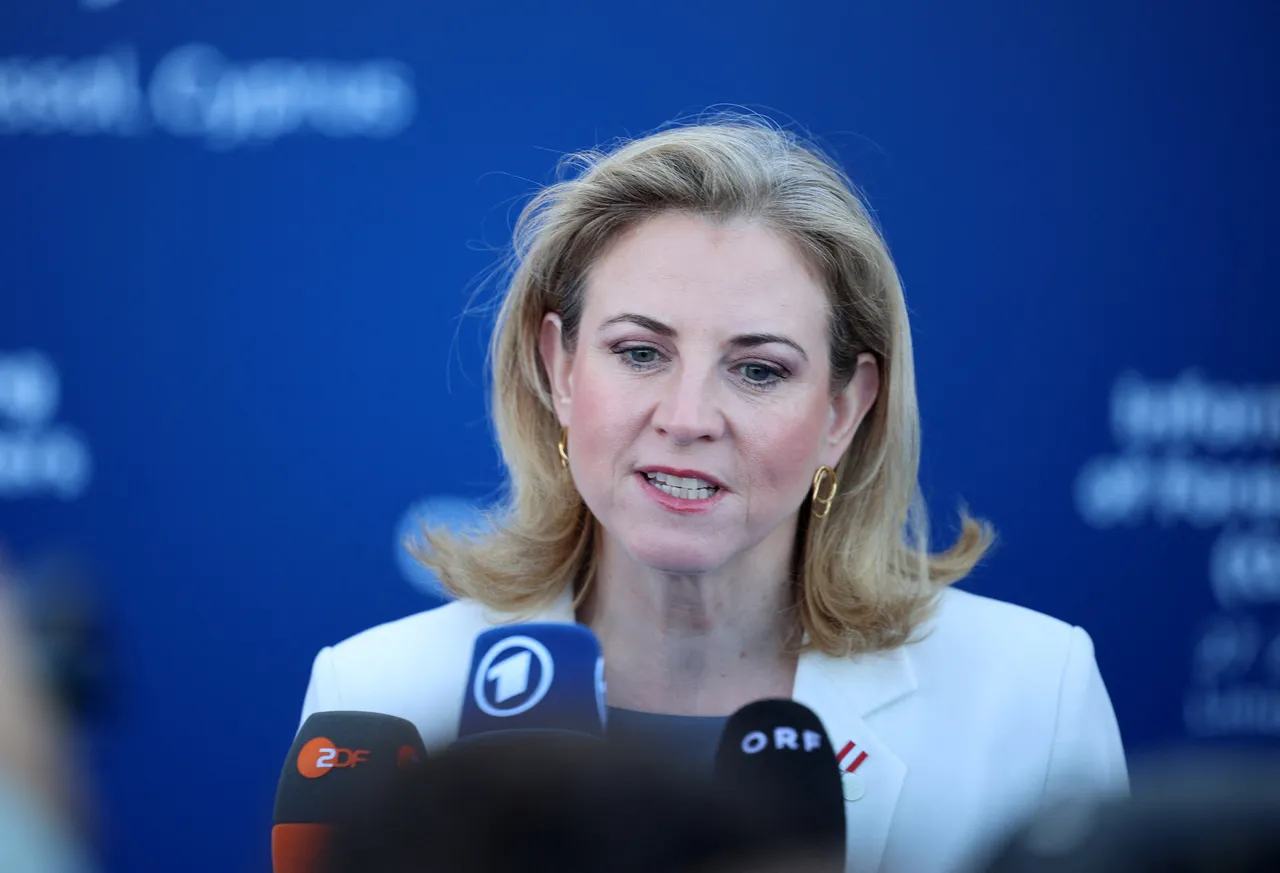
Austria's cabinet has adopted the country's first-ever Africa strategy, setting out plans to expand cooperation with African countries in areas including trade, security, migration, education and culture, the Foreign Ministry said Thursday.
The strategy establishes a framework for Austria's engagement with the continent and highlights Africa's growing economic and demographic importance.
“This is a clear signal that Austria views Africa for what it is: a continent full of dynamism, potential and shared interests,” Foreign Minister Beate Meinl-Reisinger said in a press release.
According to the ministry, Africa is expected to account for about a quarter of the world's population by 2050, while 11 African countries are already among the world's 20 fastest-growing economies.
‘Significant opportunities’
“For an export-oriented country like Austria, this presents significant opportunities – particularly in the areas of infrastructure, water management, environmental technologies, agribusiness, and tourism,” the ministry said.






Austria also aims to deepen cooperation on security and migration, supporting efforts to build stable institutions, combat irregular migration and facilitate skilled immigration in sectors facing labor shortages.
Education and cultural cooperation are also key pillars of the strategy.
"A rapidly growing economy makes Africa an indispensable partner and a continent of opportunity for Austria. What happens there also affects our interests in Europe and Austria," Meinl-Reisinger said.
Parliamentary approval
She said Austria wants to build a partnership based on equality while promoting stability, sustainable development and economic opportunities.
A bill is scheduled to be submitted to the Austrian Parliament this year, and implementation is to take place within existing budgetary frameworks, without placing an additional burden on the federal budget, according to the ministry.