The United States has provided doses of an experimental antibody drug from Mapp Biopharmaceutical for use in clinical trials to fight the widening Ebola outbreak in Democratic Republic of Congo, a Health Department spokesperson said.
The Department of Health and Human Services spokesperson declined to comment on the number of doses it will provide, saying by email that the drug is being made available for compassionate use in DR Congo as well as to advance a clinical trial in the outbreak region.
The trial data could help inform future regulatory review and potential US approval, the spokesperson said.
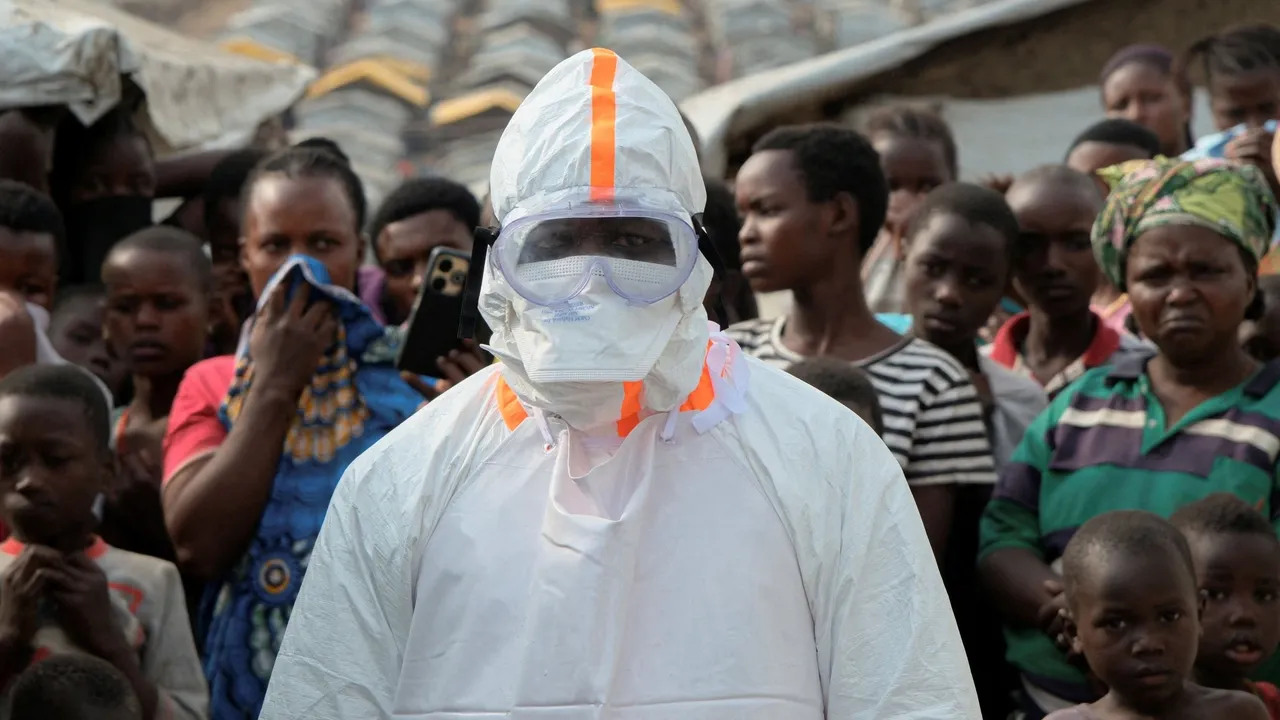
There are no approved vaccines or treatments for the Bundibugyo strain of Ebola, which has caused more than 1,000 cases in DR Congo, including more than 250 deaths. A handful of cases and deaths have also been reported in neighbouring Uganda.
First time US commits to directly supporting Ebola clinical trials
Doses of the Mapp drug and other therapeutics intended for trials are being shipped now, the World Health Organization told Reuters on Monday. The agency is working with health partners to prepare for trial enrollment in health facilities, the spokesperson said.
This marks the first time the US government has indicated it plans to directly support clinical trials of the antibody treatment known as MBP134 from San Diego-based Mapp, by providing stockpiled doses. The US had previously said doses would only be made available for Americans deemed to be at high risk after exposure to the virus.
The US has pledged hundreds of millions of dollars to the Ebola response so far, and is building a controversial quarantine centre in Kenya for American citizens, saying the priority is keeping Ebola from reaching the US.
The Mapp drug is expected to be among the first to be tested in the outbreak, which was declared a public health emergency by the WHO just over a month ago and is already the third-largest Ebola outbreak on record.
Vaccine trials to take longer




Despite the urgency of the need, the WHO has said experimental treatments and vaccines should still be tested in clinical trials before widespread use.
Trials of the Mapp drug and two Gilead Sciences antivirals are due to begin in the coming weeks, according to the WHO and scientists involved in the testing.
Vaccines will take longer, the WHO has said, although a top official at an international vaccines group said earliest stage trials could begin next month, but probably not in DR Congo. Running clinical trials in a conflict-hit area is challenging due to contact-tracing difficulties.
Addressing these issues is a priority, the WHO said, as well as ensuring patients in the affected countries will be able to access the drugs after the trials if they are shown to be safe and effective.
Drug trial sponsored by WHO
Mapp's MBP134 will be tested on its own as a treatment for Bundibugyo and alongside Gilead's antiviral remdesivir, also known as Veklury, which was widely used during the COVID-19 pandemic, the WHO said.
The Mapp drug trial is sponsored by the WHO and led by the University of Oxford alongside the Congolese and Ugandan governments.
Another Gilead antiviral, obeldesivir, will be tested as a potential preventive option, likely starting this month, the WHO and scientists involved said. This trial will be led by DR Congo, Uganda, the Africa Centres for Disease Control and Prevention, and co-sponsored by DR Congo's National Institute for Biomedical Research and France's ANRS Emerging Infectious Diseases agency.
Gilead declined to disclose details on shipments to DR Congo. Earlier this month, it said it was preparing to support requests for both drugs.
Ethics committees and regulators in DR Congo and Uganda are reviewing trial protocols, the WHO and Mapp said. The treatments have been shown in earlier trials to be safe but have not been tested for efficacy against Bundibugyo.