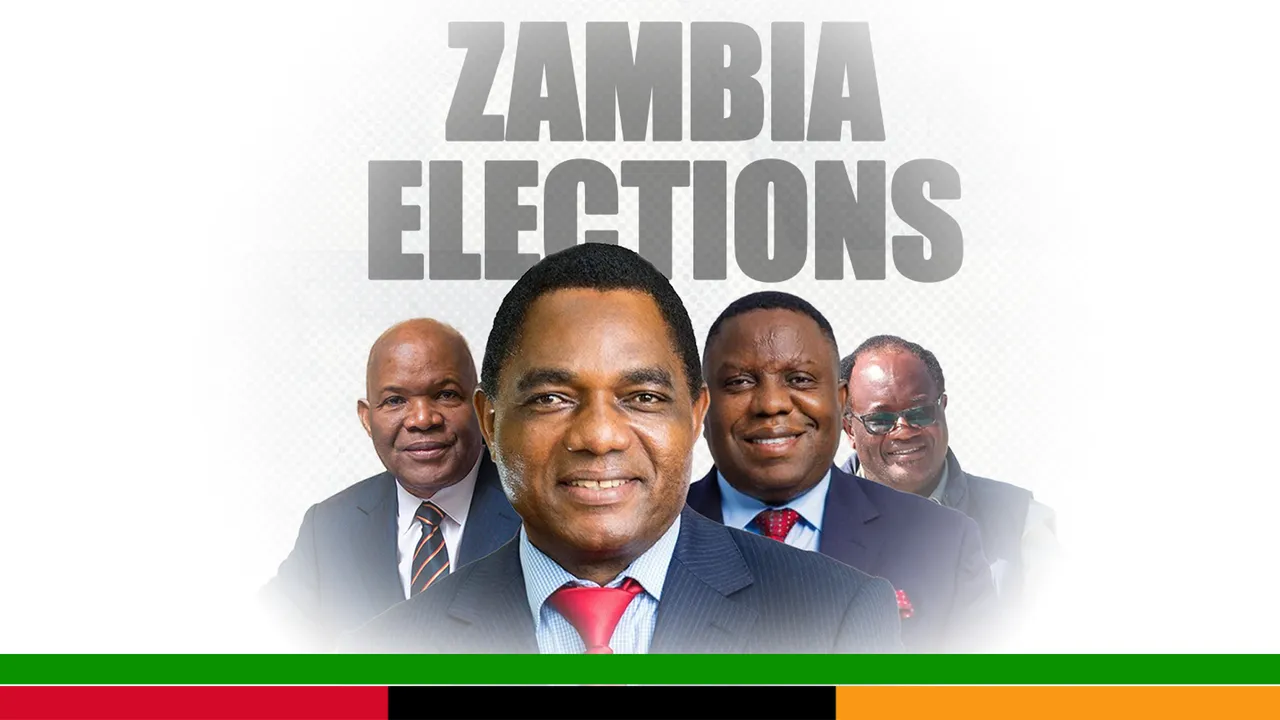
On 13 August, Zambians will once again exercise one of the most powerful rights in a democracy: the right to choose their leaders.
Every election brings promises, debates, emotions and expectations. But beyond the campaign rallies, slogans and social media battles lies a much bigger story.
This election is not only about who wins State House or Parliament, it is about the direction Zambia chooses for the next five years.
As citizens prepare to cast their votes, here are five important things worth remembering.
1. This election is bigger than political parties
Political parties are important because they present different ideas and leadership options. However, elections ultimately belong to the people, not to politicians.
On election day, every eligible citizen has an equal voice. Whether rich or poor, young or old, urban or rural, each vote carries the same weight. That is the beauty of democracy.
This is why every Zambian should approach voting as a civic responsibility rather than merely supporting a favourite political party. The choices made on 13 August will influence the country's economy, education, healthcare, infrastructure, agriculture and governance for years to come.
2. Young people will help shape the outcome
Zambia has one of the youngest populations in Africa. Many voters casting ballots this year are doing so for the first time.
Young people have consistently called for better jobs, quality education, entrepreneurship opportunities, access to technology and meaningful participation in decision-making. They are increasingly asking leaders to move beyond campaign promises and deliver measurable results.
Whichever leaders emerge victorious will face growing expectations from a generation that is more informed, connected and vocal than ever before. Young people are no longer content to observe politics from the sidelines; they want to influence the country's future.
3. Performance matters, but so does vision
Every election invites citizens to reflect on two important questions.
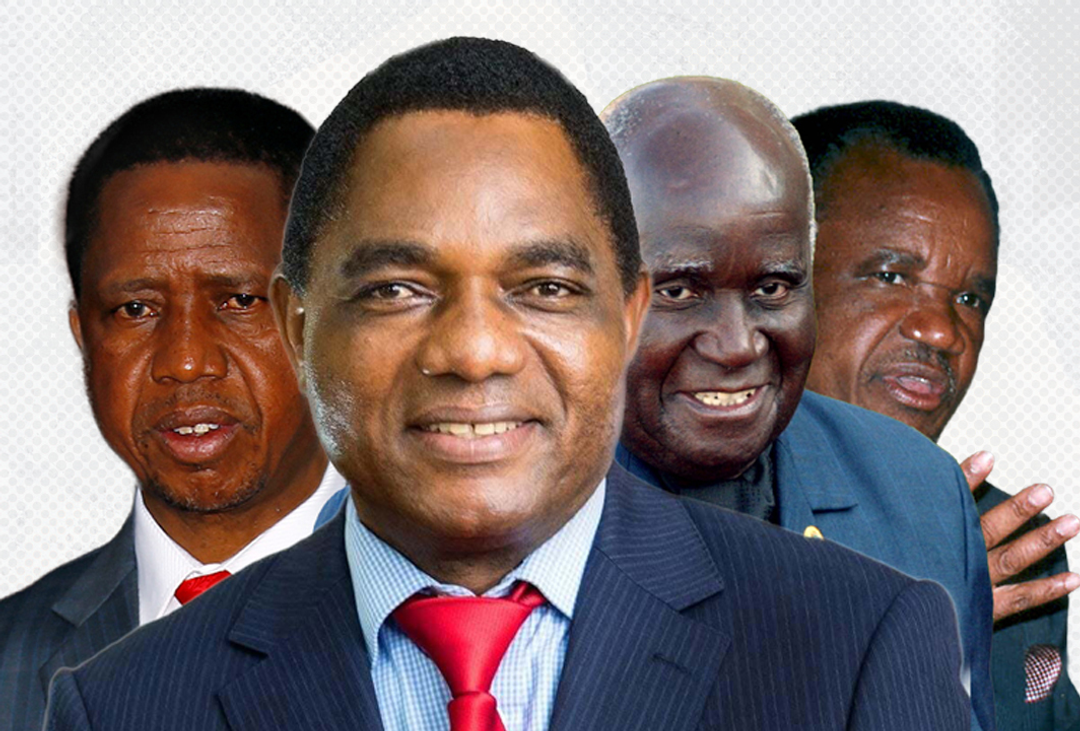
First, how has the current leadership performed? Second, who offers the most convincing vision for the future?
Supporters of the government point to achievements they believe have improved people's lives, while critics argue there are areas where more progress is needed. Both perspectives form part of a healthy democratic conversation.
Rather than relying only on campaign speeches or social media posts, voters should examine facts, compare policy proposals and consider which leaders are most capable of addressing Zambia's challenges while building on existing successes.




4. Peace is more important than politics
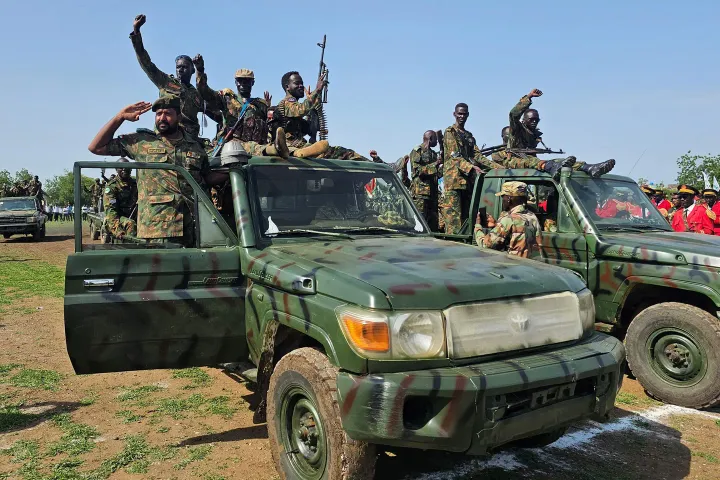
Zambia has earned international respect for conducting largely peaceful elections and orderly transfers of power. That reputation is valuable and should never be taken for granted.
Political competition should never become personal hatred. Neighbours, families and friends may support different candidates, yet they remain members of one nation.
Violence, intimidation, misinformation and hate speech weaken democracy. Respectful debate strengthens it.
Every political party, candidate and supporter shares responsibility for ensuring that the election remains peaceful before, during and after voting. Regardless of the outcome, Zambia will continue to belong to all its citizens.
5. The election is only the beginning
Voting is not the end of democracy, it is the beginning of another chapter.
The leaders elected on 13 August will need to govern for every Zambian, including those who did not vote for them. Likewise, citizens have a responsibility to remain engaged by holding leaders accountable, participating in community development and contributing positively to national progress.
Democracy is strongest when citizens stay involved between elections, not only during campaigns.
Looking Beyond August 13
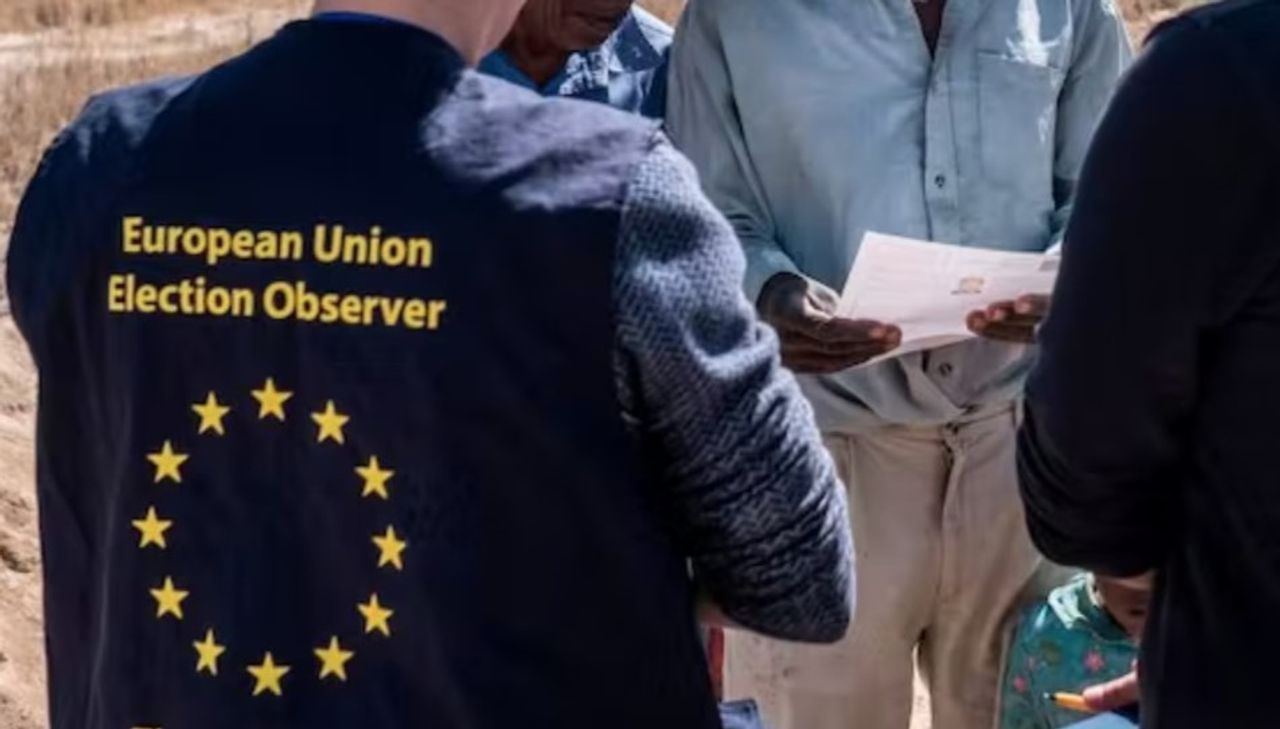
History often remembers elections by who won. But perhaps the more important question is what the election means for the nation.
Will it strengthen democratic institutions? Will it encourage peaceful political participation? Will it inspire greater accountability from leaders and citizens alike?
These are questions that deserve as much attention as campaign headlines.
As Zambians prepare to vote, let us remember that elections are not simply contests for power. They are opportunities to renew our commitment to democracy, national unity and responsible citizenship.
On 13 August, every ballot cast will tell a story. Together, those stories will shape the next chapter of Zambia's journey.
Whatever choices individual citizens make, may they be informed, peaceful and guided by a sincere desire to see Zambia continue moving forward.
The author, Kennedy Chileshe, is the Executive Director of Jubilee Leaders Network, Zambia.
Disclaimer: The views expressed by the author do not necessarily reflect the opinions, viewpoints and editorial policies of TRT Afrika.