Mixed martial arts (MMA) don spend years dey face wahala about how violent the sport dey. But as e dey make im first appearance for Asian Games, the international body wey dey govern amateur fighters talk say dem don redesign the rules to tackle those concerns and make MMA nearer the standards wey big multi-sport competitions dey expect.
Di changes wey Federation of International Mixed Martial Arts (FIMMA) do don help open door for the sport to show for the Asian Games wey dey run from September 19 to October 4 for Aichi-Nagoya, Japan, and fit even boost MMA campaign to one day enter Olympics.
Na important step this for sport wey mostly grow outside the main multi-sport system.
Wetin don change?
For the new FIMMA rules, the wire cage wey people dey sabi with professional MMA don comot. Fighters go dey compete for open mat, elbow strikes no dey allowed, dem go wear shin guards, and knee or kick to the head of opponent wey dey ground don ban.
Di aim, FIMMA officials talk, no be to take away MMA striking and grappling identity, but na to reduce unnecessary bodily damage to fighters while dem still keep the competitive character of the sport.
“We don develop a rule set wey focus specifically on the safety and well-being of athletes, and we align am with Olympic values. The introduction of MMA at the Asian Games na important step for that journey,” FIMMA President Gordon Tang tell AP News Agency.
Galastein Tan, director general of FIMMA, talk say the changes fit also help change how people dey see the sport wey many times dem link with the most violent moments.
“We believe without the cage we go fit align better with Olympic values and hopefully get recognition from the IOC,” Tan tell AP.
“E go take time change perception. We hope say we fit show say new form of MMA dey, and this form dey more aligned with the Olympics.”
Opportunities for African fighters
For African fighters wey don spend years dey compete for the sport, the changes mean another step for MMA evolution — to make am safer and more compatible with big international competitions without remove wetin make the sport unique.
Tanzanian MMA fighter Chris Tibenda talk say the new rules mark one important moment for the sport.
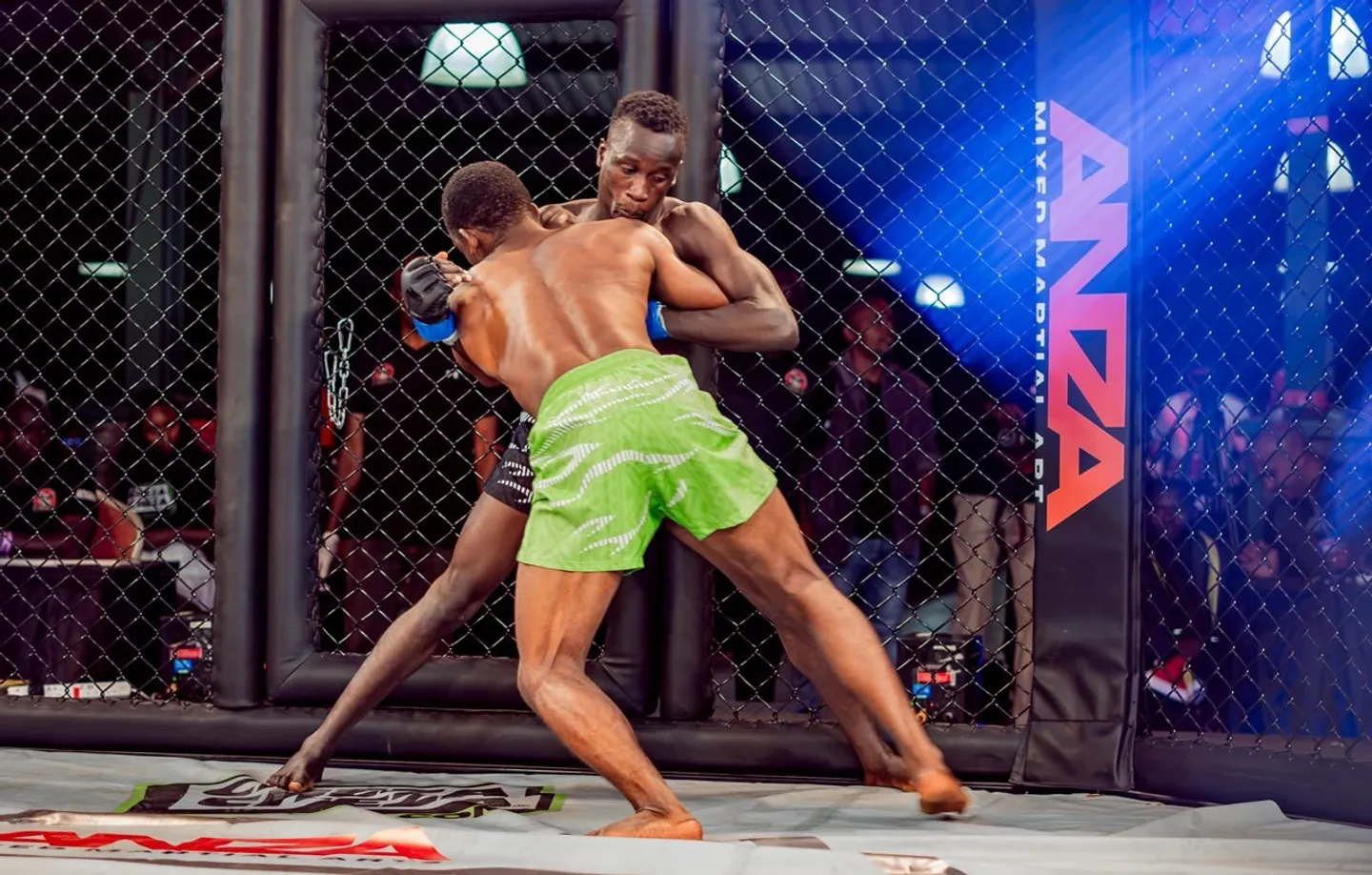
Tibenda just come out from one MMA fight after im win inside the first round for ANZA MMA Pro Nights 3 competition wey hold for Nairobi on September 19, where e subdue im opponent in under one minute for the flyweight division.
“Padding no dey protect fighter 100% from blows so the sport never lose the feel as intense contact sport. But these new rules sure protect competitors from deep gashes and dangerous cuts,” Tibenda tell TRT Afrika.
Serious injuries don long dey among the worries wey critics dey raise about MMA, wey dey ask whether sport wey full of strikes, submissions and ways to incapacity opponent fit balance with the emphasis on athlete welfare and safe competition for big sporting events.
Other worries dey focus on head and body injuries, how punishment fit gather during bouts and the idea say the sport fit encourage sustained violence.
MMA still face institutional wahala on the road to Olympic recognition, including questions about international governance and whether the professional format fit the requirements of the Olympic movement.
Still, Tibenda say MMA already get one important safety mechanism for the rules: referees fit stop a fight when competitor no fit defend imself intelligently again.



E compare am with boxing, where fighter wey don knock down fit get count and continue.
“If you get hit hard, you no need to take more damage,” Tibenda talk. “The referee fit see say you no dey respond to the strikes and fit stop the fight.”
For am, that power to finish contest before fighter absorb more punishment na important part of making the sport safer.
MMA for Olympics?
So the Asian Games format no be the final destination for MMA changes but na another step for longer journey — from specialist combat-sports shows go reach the wider international sporting stage.
The International Olympic Committee never recognise MMA as Olympic sport yet, so the Asian Games debut no mean Olympic recognition. But the event, FIMMA talk, give MMA chance to show say the mix of striking, grappling, throws and submissions fit happen for format wey put more emphasis on athlete safety.
For African MMA fighters wey talk with TRT Afrika, that progression fit get effects wey pass the Asian Games.
Tanzanian fighter Rashid Mlegelo, wey also win his bout inside the first round at ANZA MMA Pro Nights 3, believe say better international exposure fit help African fighters overcome one big obstacle for the continent: small access to the sport's biggest stages.
“Plenty organisations for Africa dey try their best to give MMA fighters better platforms. To sabi say our sport don reach the Asian Games dey encouraging. These na the platforms African fighters need,” Mlegelo tell TRT Afrika.
That access dey slowly expand as MMA dey grow for Africa, with organisations like East Africa's ANZA MMA, the African Knockout (AKO) promotion and PFL Africa creating more chances for fighters to compete and build professional careers.
“Five to 10 years ago, no be like say we get scene,” Tibenda talk. “Na only EFC [Extreme Fighting Championship] dey push MMA.”
Now, he talk, every new competition, organisation and international opportunity dey add another piece to the sport's chance to dey accepted internationally.
For Mlegelo, the next step na to build grassroots system wey go produce more fighters and create clear pathway from amateur competition go professional level.
FIMMA talk say their appearance for Aichi-Nagoya show how MMA dey try adapt rules, tackle long-standing safety concerns and make am more fit for international multi-sport competition.