One ship wey dey carry goods for Mediterranean thousands of years ago sink before e reach where e dey go. The cargo remain for bottom of sea, and e preserve small small clues about how trade take dey before big maritime powers of old show face.
Now, archaeologists wey dey investigate the wreck off Türkiye’s Mediterranean coast believe say e fit be di oldest shipwreck wey world don know, about 4,700 years ago, and fit give rare look into how international sea trade start.
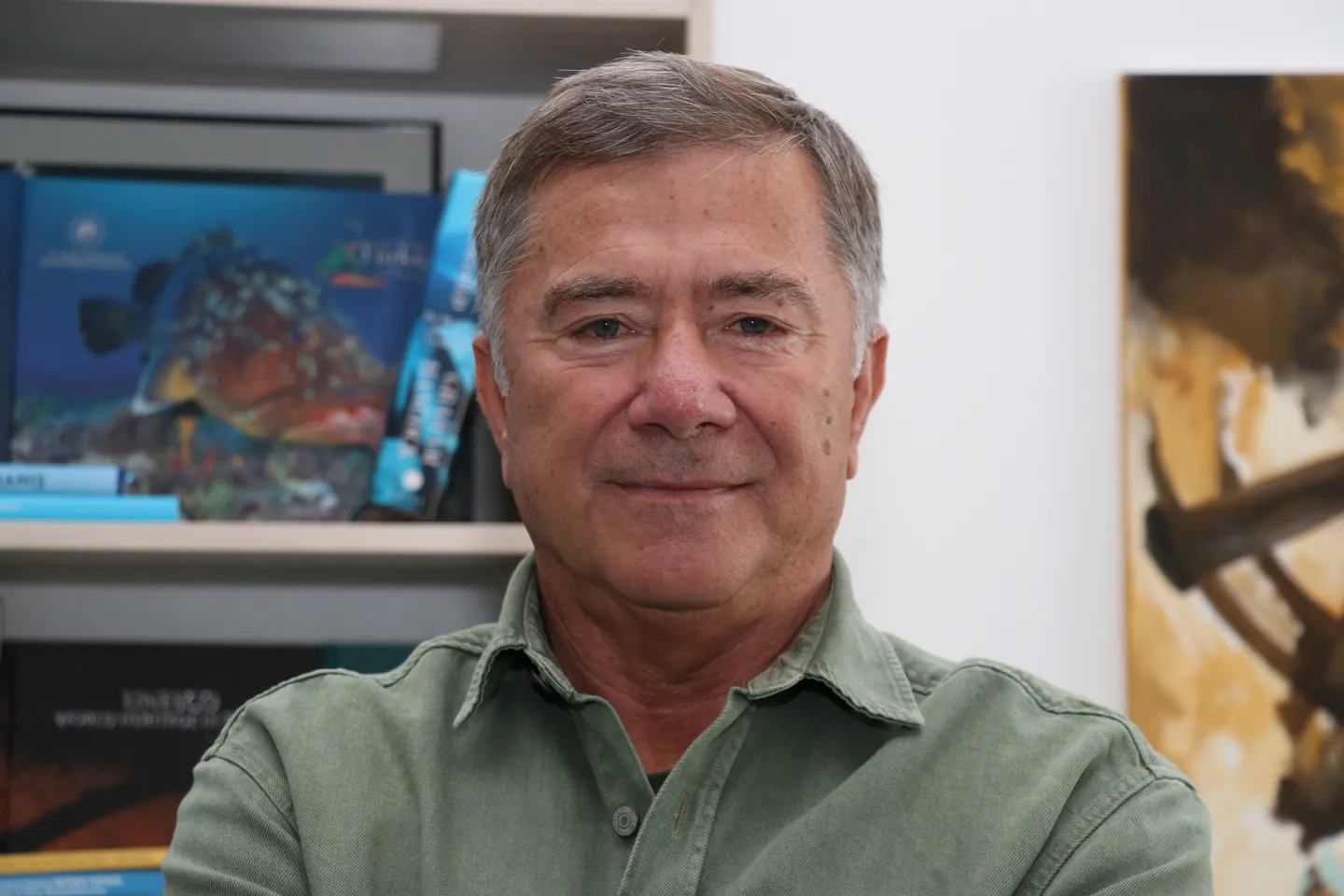
Di person wey lead di discovery na Professor Hakan Oniz from Akdeniz University, wey head di Mediterranean Archaeology Association expedition.
“This na very important discovery because e dey give us direct evidence say maritime trade dey happen between di Levant and other parts of di Mediterranean,” Oniz talk.
Di shipwreck wey dem find off Kekova Island for Antalya don make historians wey dey study ancient civilizations and how dem take interact dey excited.
E fit even give clue about how goods take dey move and di commercial relations wey join ancient coastal settlements around di time wey dem dey build di Great Pyramid.
No be by chance Oniz dey lead di find. Di oga wey dey control im destiny set am on this road since im small.
A lifelong fascination
For Oniz, di discovery na di result of interest wey don dey for him life about di history wey dey under water.
“My story with underwater archaeology begin when I be five or six years old,” he talk. “My papa buy me big diving mask wey cover my whole face.”
Oniz talk say him born for Eskisehir and say holiday time e dey always spend am for sea side.
Even as pikin, he dey very curious about wetin e dey see under water.
“When I begin find colourful stones and broken pottery under water and I realise say na things wey people put there before, e really excite me,” he talk.
“Since that time I don dey interested in underwater archaeology and historical objects wey dey under sea.”
That early interest later shape im academic career. He study archaeology and finish him master and doctorate for Selcuk University for Konya.
But Konya far from sea, so e no too good place to develop field wey dey focus on underwater research.
“Underwater archaeology needed to continue for university wey near sea,” Oniz talk. “With support from Governorate of Antalya and the Turkish National Commission for UNESCO, we get chance to move the infrastructure wey we develop for Konya go Antalya.”
This move help set up underwater archaeology activities for Akdeniz University, where dem never develop the field like this before.
Di university Department of Mediterranean Underwater Cultural Heritage Research now dey give specialised training for underwater archaeology. According to Oniz, na only department like this dey for Türkiye and about 50 students dey the programme.
“This na where Türkiye’s underwater archaeologists dey train,” he talk.
Di work of the department no stop for training only. Laboratory wey dey the university dey allow make dem conserve and restore artefacts wey dem recover from sea, so dem fit study am and preserve am for future generations.
Na conservation work like this help researchers estimate wetin be age of di shipwreck wey dem find off Kekova Island.
A tale of two shipwrecks
Di discovery no show im full importance from the beginning. When team first find di wreck about four years ago, pottery wey scatter for sea bed look like say na from later time.
“At first we think say maybe na more recent shipwreck, fit be from Ottoman period,” Oniz talk. “The amphorae, or clay containers, no look like the pointed or rounded types wey we sabi for other shipwrecks. Dem get flat bases, and vessels like this dey usually connect with Ottoman period, especially late Ottoman era.”
Team make record of di site but dem no immediately know true age of di cargo. Di breakthorugh come later when researchers wey dey study another shipwreck begin check archaeological sources from Egypt.
“Last year, as we dey look at Egyptian sources for another shipwreck, we see amphorae wey resemble well those we find for Kekova,” Oniz talk.




The shipwreck wey dem find for Egypt belong to similar era, but the one for Türkiye dey believed to be older.
Dem get permission from Türkiye’s Ministry of Culture and Tourism to go back the site. When dem examine am again, dem see say di vessels resemble amphorae wey people connect with di Levant during di Early Bronze Age.
“When we come back to di wreck, we see say di amphorae really be di kind wey dem find for di Levant,” he talk. “Dem na flat-bottomed vessels with handles for di sides, wetin be characteristic of Levantine amphorae.”
Team use comparison with similar pottery, together with di vessels’ decoration and di clay composition, to estimate dia age and where dem come from.
“Based on typology and decoration on di amphorae, we date di wreck to between 2700 and 2400 BCE,” Öniz say.
He add say, according to team current assessment, no other known shipwreck don get same dating.
“Of course, another older wreck fit show up in few years, or maybe in 20 or 30 years. That one possible. But as e be now, na wetin we sabi.”
A merchant’s cargo from the Levant
Even though di ship no remain in im original shape, di objects wey dem recover give more than just hint of di wreck age. Di differences among dem fit still show how di cargo take gather before ship set sail.
Even if di recovered jars get general shape wey similar, dem no be identical. Decoration and di kind clay dem use different, wey mean say dem fit don come from different settlements, no be only one production centre.
“Di amphorae no exactly be di same,” Oniz explain. “Their general typology similar, but di decoration, patterns and clay different.”
For di archaeologist, this variation fit give small window into how di merchant wey own di cargo take work.
“E possible say small-scale trader waka between different settlements for di Levant, dey collect three amphorae from one place and four from another, before e load dem for ship,” Oniz talk.
Di vessels fit don come from ports along di coasts of present-day southern Syria, Lebanon and Palestine, with some fit don make for Jordan Valley. Dem fit carry olive oil or wine; resin small chance.
Di ship dey appear say e dey travel westwards when e sink. Where e dey head no clear, but Oniz suggest say e fit dey go Troy or Crete, place wey Minoan civilisation dey.
This discovery important because we already sabi say trade dey between di Levant, Crete and Troy from artefacts wey dem find for sites across di region. Wetin no too clear be how some of those goods take travel.
“Until now, we sabi about trade between these regions because we find objects from one area for another,” Oniz talk. “But this wreck give us direct evidence say goods dey dey transported by sea.”
The long-lost sea road
One question wey this discovery raise na di relationship between sea transport and overland trade.
Some theories talk say goods wey move between di Levant and Troy follow network of routes wey dem dey call caravan road. Oniz say maybe routes like that really dey, and di wreck no mean say dem no exist.
“Maybe that kind route really dey,” he say. “Our colleagues believe in am, and evidence dey support am. That one different question.”
But di shipwreck show why sea fit be easier option to carry some types of cargo.
“If you get 30 or 40 amphorae to transport, e go easy to send dem by ship than to carry dem overland,” Oniz talk.
About 30 clay and ceramic objects don identify for Kekova wreck so far. More work fit give extra information about di cargo and how big di voyage be.
For Oniz, di important thing na say this discovery allow make people move pass assumptions wey base only on objects wey dem recover for land.
“We don already sabi say commercial connections dey between di Levant and places like Crete and Troy,” he talk. “But this shipwreck show say at least some of that trade really happen by sea.”