Four people died in protests in Kenya on Monday over fuel price hikes triggered by the Middle East war, while the public transport system was paralysed by demonstrators barricading roads.
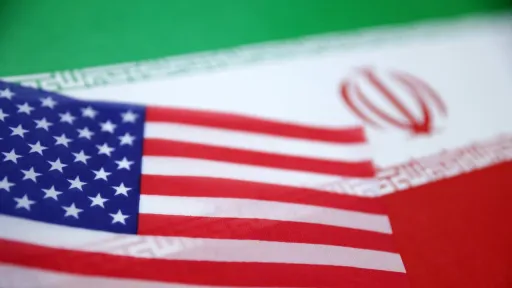
One of many African countries dependent on fuel imports from the Gulf, Kenya has been heavily hit by Iran's effective closure of the Strait of Hormuz, through which a fifth of the world's oil normally passes.
Last week, the Kenyan government announced price hikes in response to rising global oil prices, including a 23.5-percent increase for diesel – triggering a call for the strike by transport workers.
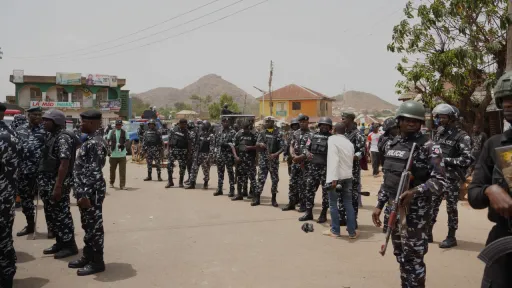
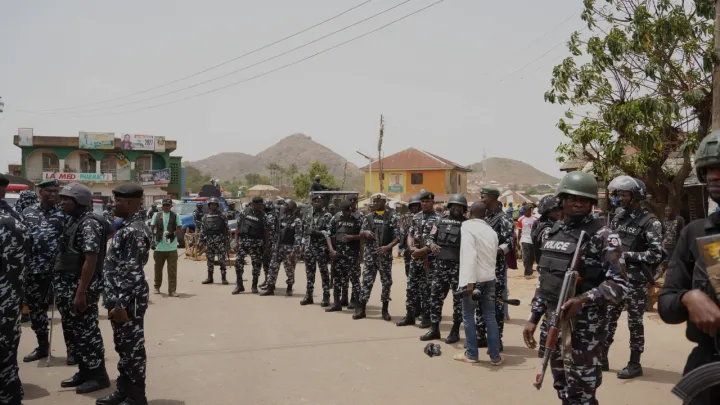
Protesters barricaded roads and lit bonfires on the outskirts of the capital, Nairobi, early on Monday and tried to stop cars and "boda boda" motorbikes, an AFP journalist saw.
Nearly 350 people arrested
"It's unfortunate that we lost four Kenyans in today's violence, which also saw more than 30 people injured," Interior Minister Kipchumba Murkomen told reporters.
While most of Kenya remained peaceful, he said "criminal elements" had been mobilised to target government and personal property.
He said it was "unfortunate that today's protests have once again been hijacked by political actors for political ends."
Polce had made 348 arrests and the roads had now been cleared, he added.
Treasury minister says strike 'uncalled for'


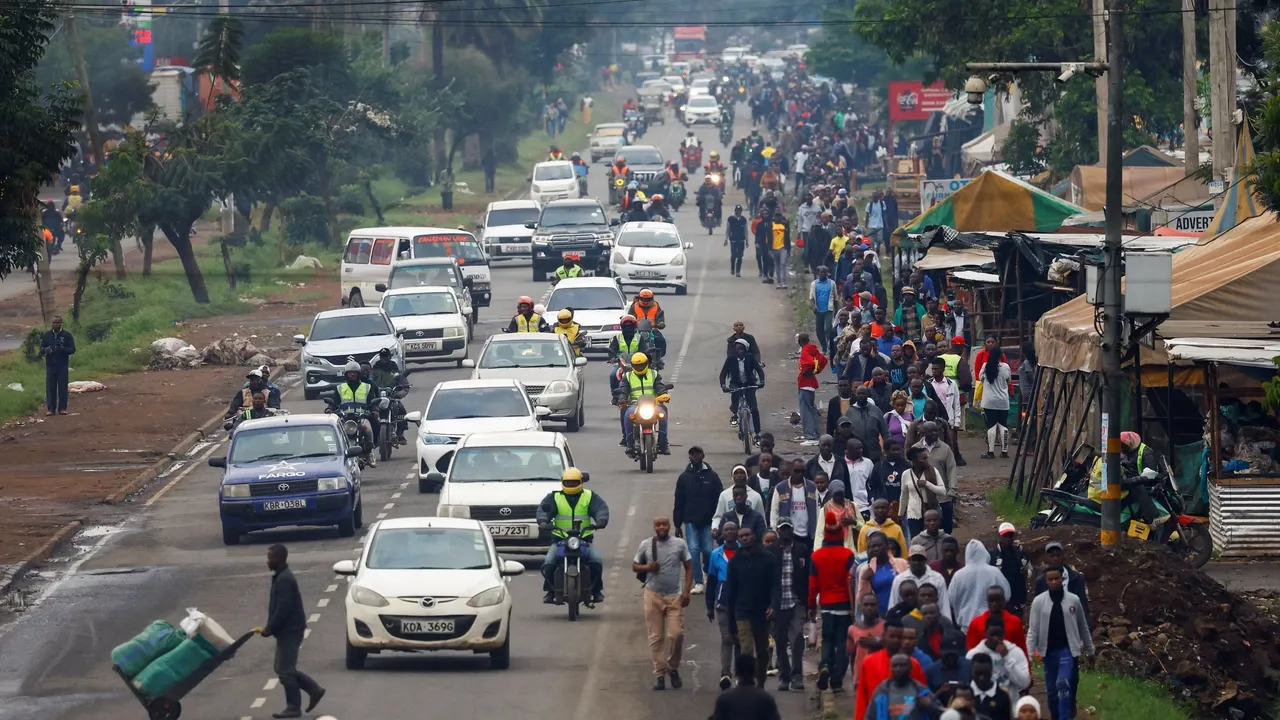
During the day, the usual congestion in Nairobi's central business district was missing, with schools closed and events cancelled.
Thousands of commuters across the country were stranded after privately owned "matatu" minibuses, Kenya's main form of public transport, went on strike.
The protests spread to other major towns, including Mombasa, Nakuru, Eldoret and Nyeri.
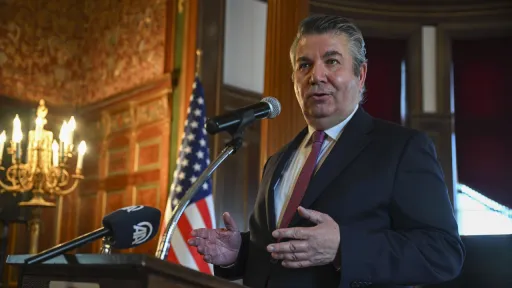
"The strike is completely uncalled for, even though the prices of petroleum products have risen," Treasury and Economic Planning Minister John Mbadi said.
'We have not caused' Iran war: Kenyan minister
"This is a war that we have not caused," he told the NTV broadcaster.
A day of protests such as Monday's can cost Kenya's economy around 50 billion shillings ($390 million) a day, said economist XN Iraki.
Since the start of the Middle East conflict, Kenya has raised petrol prices by 20%, while diesel has increased by up to 45.8%
Kenya's energy regulator said the government had spent $38.5 million to cushion consumers from soaring diesel and kerosene prices in its latest review.
Last month, Kenyan authorities also suspended fuel quality standards to maintain supply in the face of shortages.