For decades, Africa has been asking for justice and reparations. Now the United Nations is answering.
A UN committee says countries involved directly or indirectly in the transatlantic slave trade are legally obliged to pay compensation. Not just with money. With action too.
In a report published on Monday, 31 August, the Committee on the Elimination of Racial Discrimination stated that “comprehensive reparatory measures for people of African descent, covering all aspects of remedies” must be implemented.
The document could become a powerful tool for the reparations campaign.
It calls for justice that is “monetary, non-monetary and structural.”
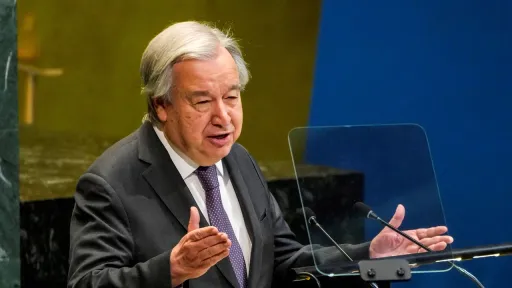
This follows a major moment in March, when the UN General Assembly passed a Ghana-led resolution condemning the transatlantic slave trade as “the gravest crime against humanity.”
The vote was overwhelming: 123 in favour.
But the United States, Argentina and Israel voted against, while 52 countries, including the UK and all 27 EU members, abstained.
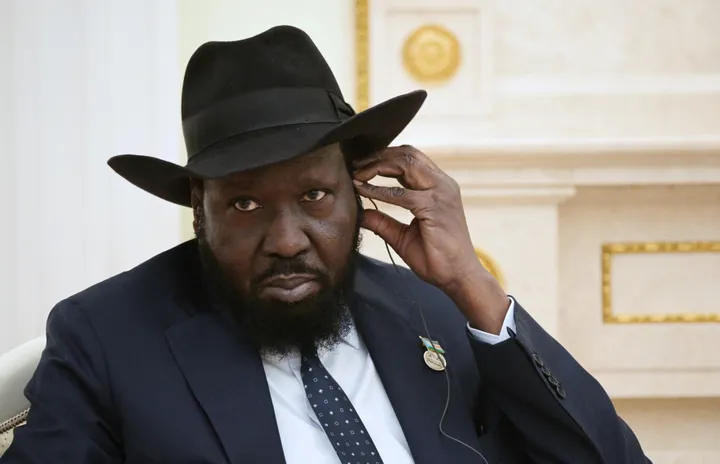
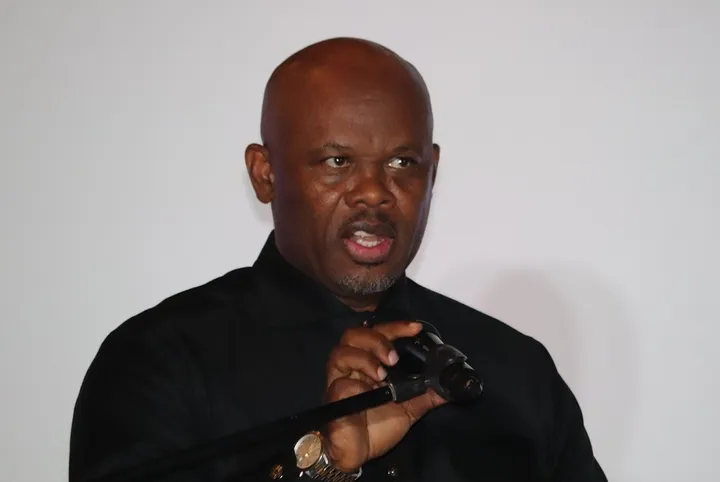
In June, leaders from Africa and the Caribbean met in Ghana. Their message was clear: Apologise, return what was taken and pay what is owed. They demanded looted cultural artefacts be returned.



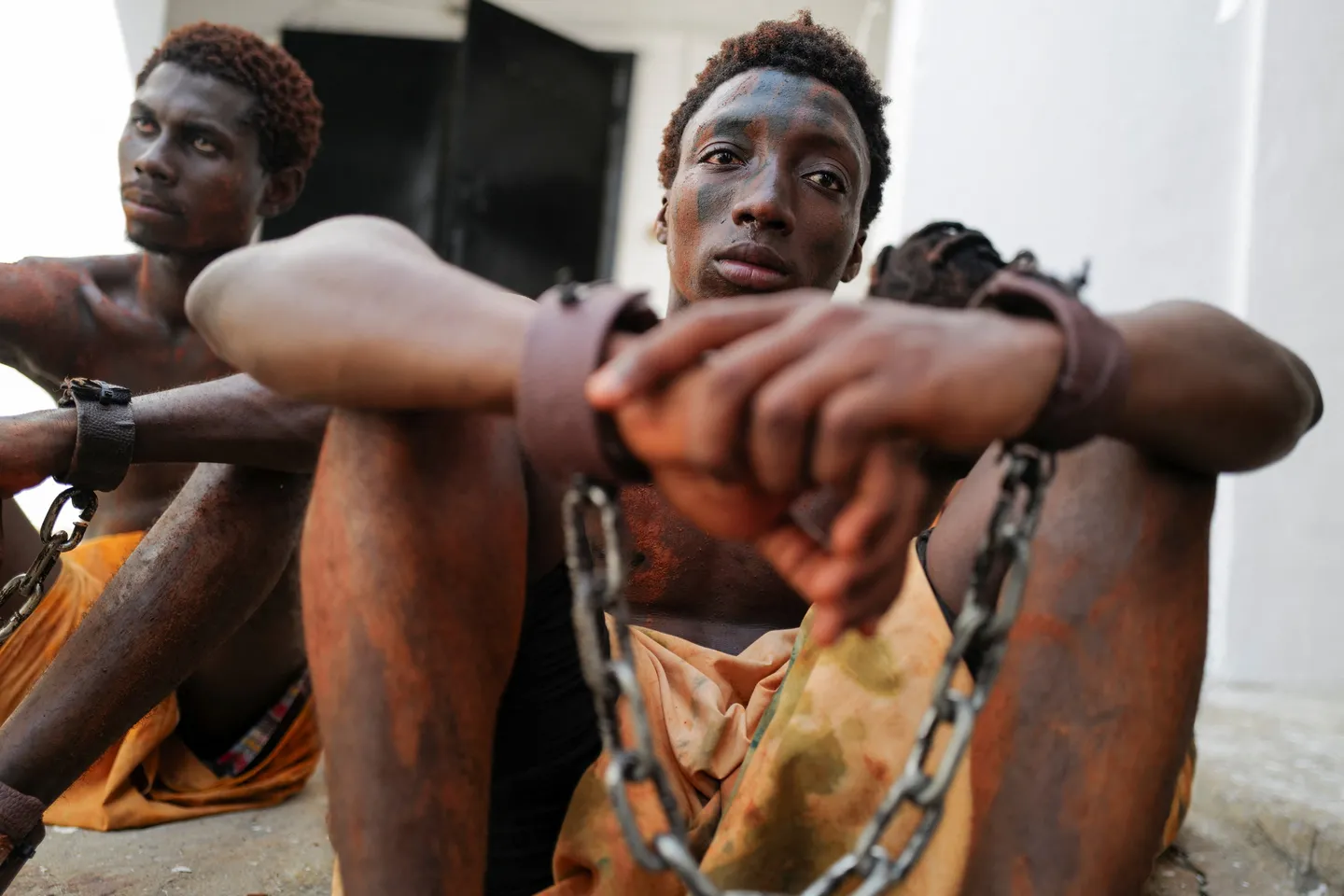
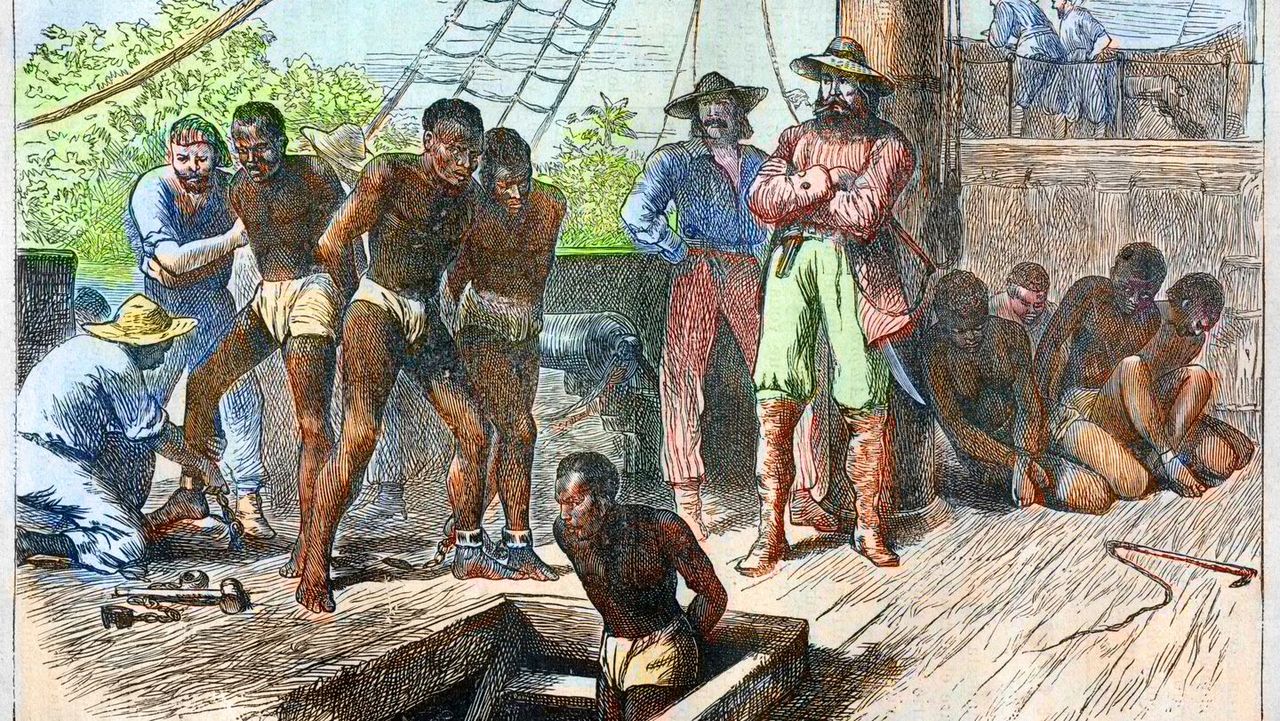
Between the 15th and 19th centuries, at least 12.5 million Africans were shipped in shackles largely from hubs on the Atlantic coasts in Ghana, Nigeria and Senegal, mainly to the Americas. They were forced to work on plantations, in mines and as domestic workers under brutal conditions and without pay. Many died. A generation was shattered.
The UN calls it the largest forced displacement in human history.
The document says the slave trade “distorted global economic relations” and “distributed unjustly accumulated wealth.” Its impact lingers.
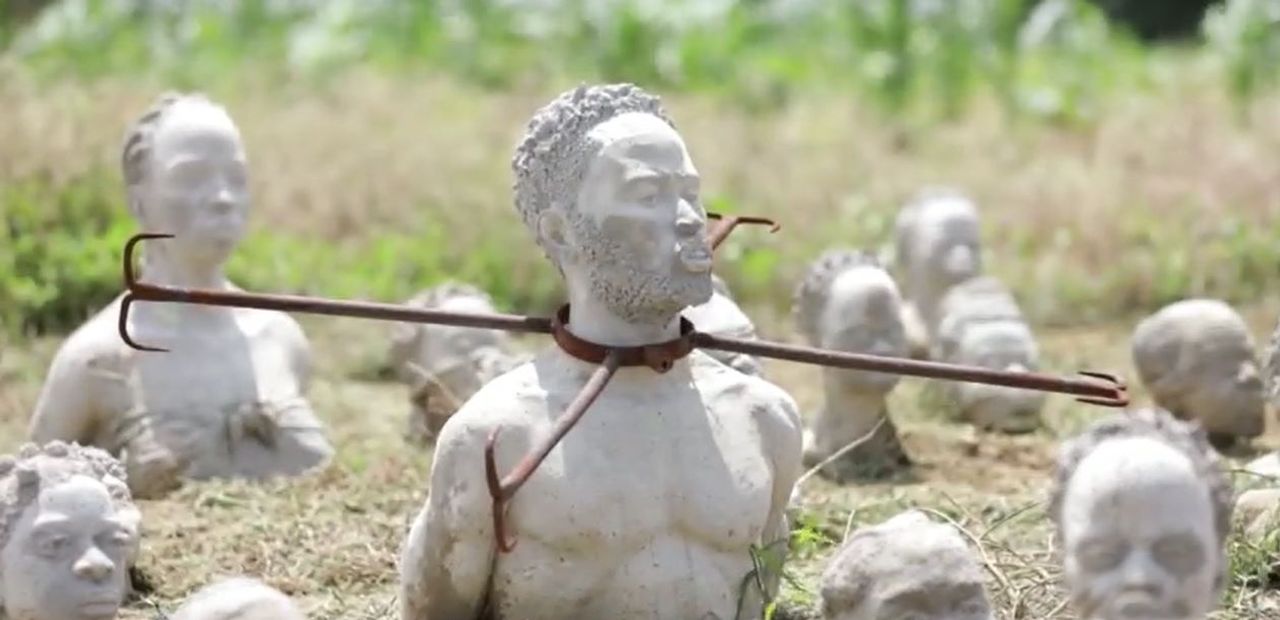
That’s why the UN says it is now a “shared responsibility.” The recommendations are based on a 1965 legally binding treaty on racial discrimination.
Some countries involved in the slave trade argue the law didn’t exist then.
But the UN rejects that. It says obligations still apply “irrespective of the legal characterisation of the original historical acts.”
The UN warned money alone won’t fix it. It wants “transformative” steps such as opening archives, revising public memorials and setting up independent truth commissions.
There is no timeline for implementation yet. But the debate has shifted. And the campaign has intensified.