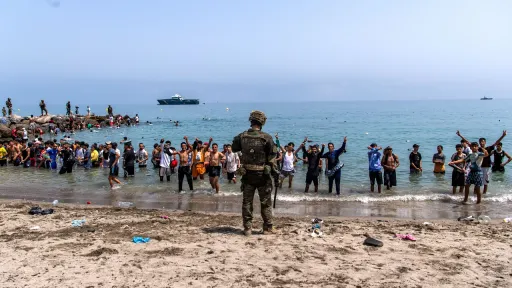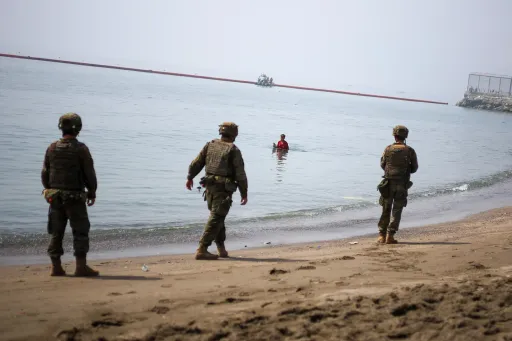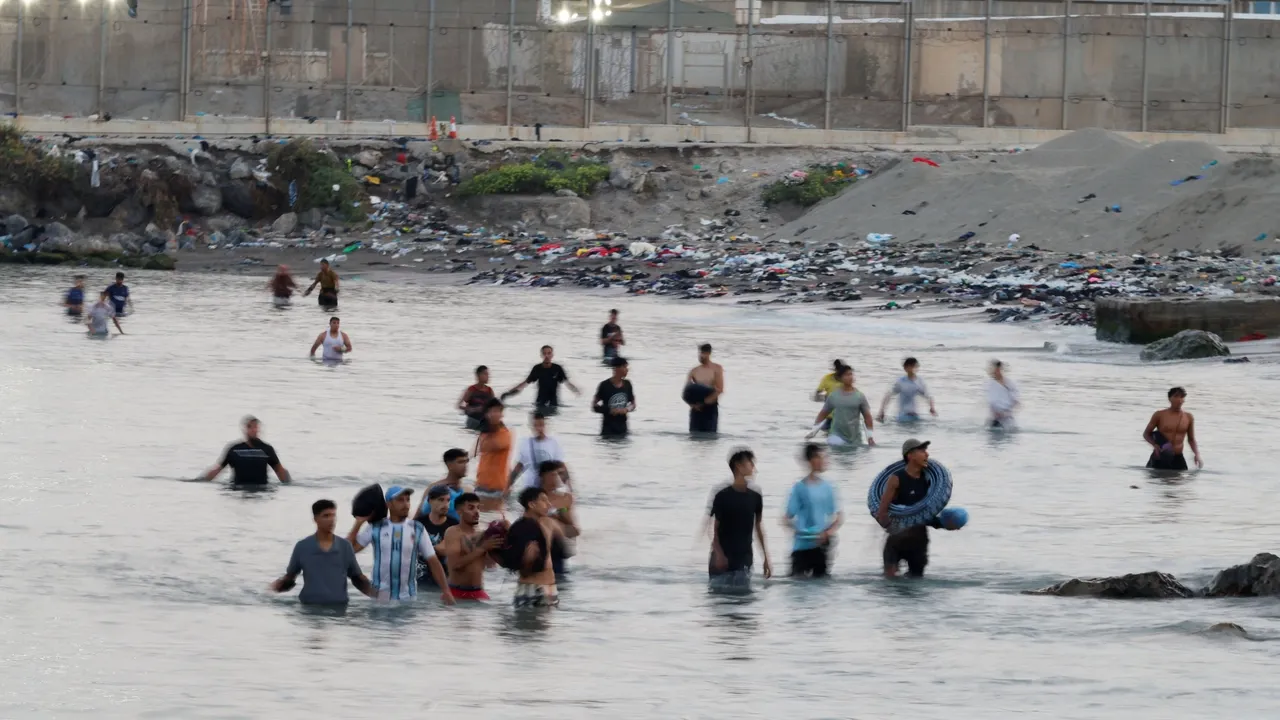
A teenage girl made it through the waves to Spanish enclave. Her little brother did not, drowning in the Mediterranean, while their mother disappeared in the chaos when tens of thousands of people surged through the breakwater, trying to leave Morocco behind.
The tragic story of a 17-year-old from Tangier is representative of the plight of many of the more than 800 minors who four days after the collective push by migrants into Ceuta face a scary present and an uncertain future.
She told an Associated Press photojournalist how she and her family joined the massive crowd that tried to swim around a border fence to reach the Spanish enclave in North Africa on Thursday. Like many, she said they did so seeking better opportunities. The AP is withholding her identity because she is a minor in a vulnerable situation.
She described how she saw Spanish police pull the body of her 8-year-old brother from the water.
Deadly crossing
She made it to the shore but became separated from her mother, and has spent the last four days on her own. She said some locals gave her food and some clothing, with one woman taking her into her home so she could bathe. She then went to a centre for youths run by the government for some help, but found it was full.
“Now we are children begging on the street,” she said.
She is one of some 860 minors who remained in Ceuta on Monday after crossing over, according to local officials. AP journalists saw other minors asking for food.
Those minors now make up a large part of the 3,000-5,000 migrants who have avoided expulsion from Ceuta. Spanish authorities confirmed 72 people died, mostly in the water, during the crossing. Morocco reported 11 deaths which are not included in the Spanish total, the Spanish interior ministry said. Around 60,000 migrants crossed into Ceuta on Thursday.







Voluntary return
Minors must be cared for under Spanish law, which also says that adult migrants can apply for asylum. If rejected, they will face expulsion procedures. The bar is normally very high for Moroccans to be granted humanitarian protection.
Migrant minors who are unaccompanied by adults, however, are supposed to be granted protection and taken care of by Spanish authorities.
An AP journalist witnessed Spanish soldiers escorting an unaccompanied Moroccan boy who was crying and begging not to be sent back to Morocco. A few metres before reaching the border, and due to pressure from local residents who insisted he was a minor, as well as the presence of the media, a lieutenant colonel in the Spanish army stopped the repatriation and transferred the boy to the Spanish Civil Guard.
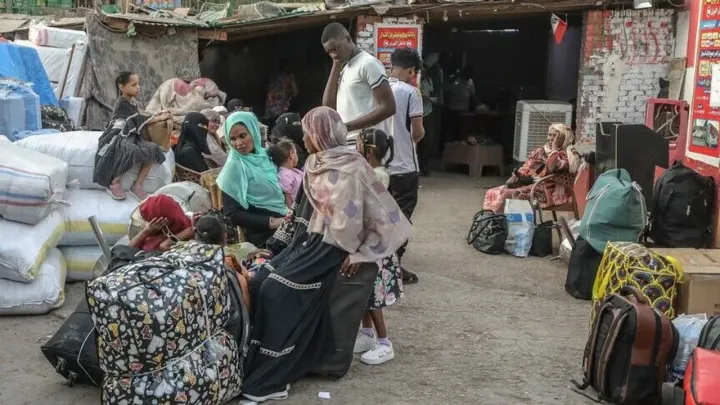
Most of the Moroccan adults have either voluntarily gone home or were pushed back by Spanish police. Among those who remain in Ceuta are significant numbers of people from other countries, including the Sudanese, Palestinians from Gaza and Afghans, as well as people from several African nations.
Scarce food
The city’s migrant centre with a capacity for 600 people is completely full. Food is scarce among the migrants, according to reporting by AP journalists.
Many migrants sleep or rest on the beach or hills surrounding the spec of Spain.